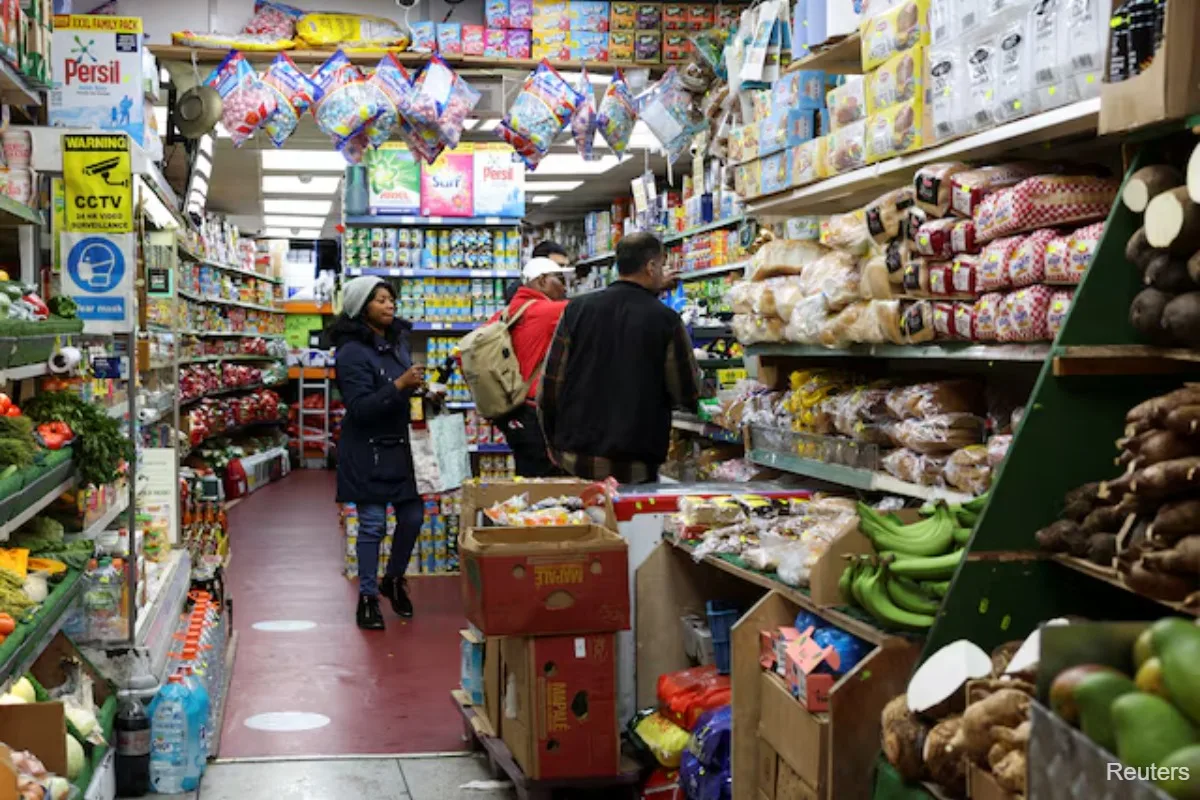
The UK inflation rate remained steady at 2.8% in May 2026, unchanged from April and below the 3% forecast by economists, the Office for National Statistics reported on June 17 [1, 2, 3, 4, 5, 6, 7]. Prices for food and non-alcoholic drinks declined in May, helping offset upward pressure from rising transport and fuel costs [1, 2, 3, 5, 6, 7]. Transport prices rose due to increasing air fares, which jumped 10.3% month-on-month, along with higher motor fuel, vehicle taxes, and sea fares [1, 3]. The services sector saw inflation climb to 3.7%, slightly above expectations [4, 5, 6, 7].
Grant Fitner, Chief Economist at the ONS, said, "Inflation held steady in May as various price movements offset each other. The main upward movement came from transport, with air fares, vehicle taxes and petrol prices all pushing up inflation" [1]. Meanwhile, UK manufacturers faced an 8.7% annual rise in raw material costs in May, the highest since February 2023 [2].
On June 18, the Bank of England's Monetary Policy Committee voted to keep the base interest rate at 3.75%, despite two members dissenting to raise rates by 0.25% to 4.0% [8, 9, 10, 11]. Bank Governor Andrew Bailey commented, "Oil prices have recently fallen, which is encouraging. But oil prices remain higher than before the conflict. Whatever happens, energy price rises over the past four months have begun to show up in inflationary pressures" [9]. The committee stated its duty "is to ensure that the current elevated rate of inflation does not become persistent and does not cause lasting damage to the economy" [9].
Inflationary pressures have been pushed up by elevated energy prices following the closure of the Strait of Hormuz amid Middle East conflict in recent months [1, 2, 5, 6, 7]. However, a tentative agreement reached in mid-June between the US and Iran to reopen the strait raised hopes for easing some energy cost pressures [1, 2, 5, 6, 7]. The UK’s regulated energy price cap is set to rise 13% in July, expected to add 0.4 percentage points to inflation [3, 5, 6].
Despite inflation running above the Bank’s 2% target, policymakers continue to balance risks amid weak economic growth and softness in the labour market [2, 5, 6]. After the May inflation data, sterling weakened slightly against the US dollar [2]. Financial markets broadly expected the Bank of England to hold rates steady on June 18, with possible hikes still anticipated later this year [2, 3, 6].