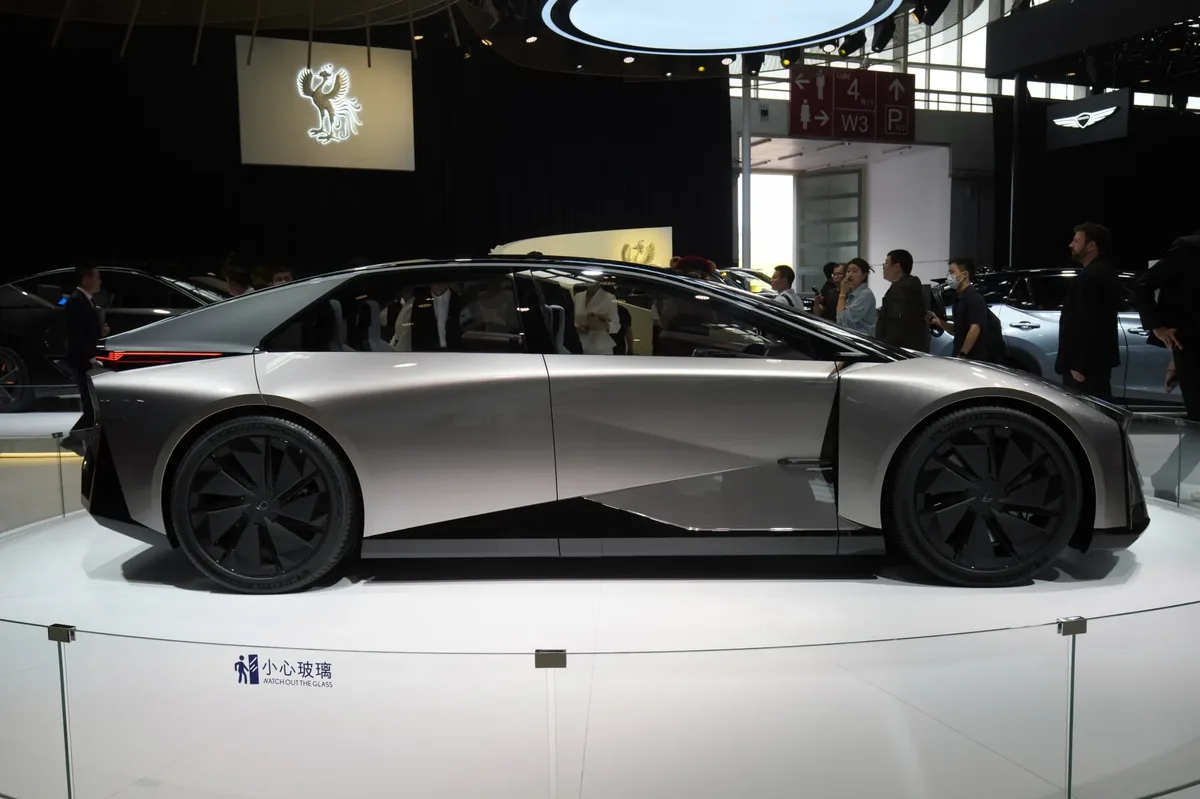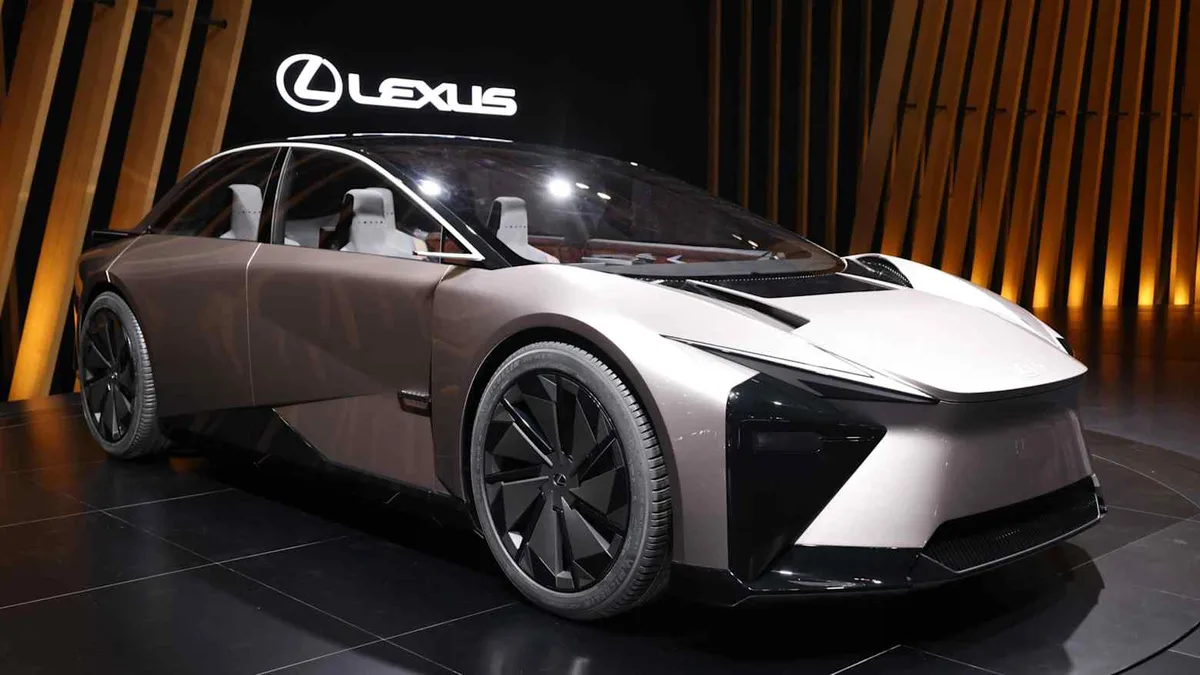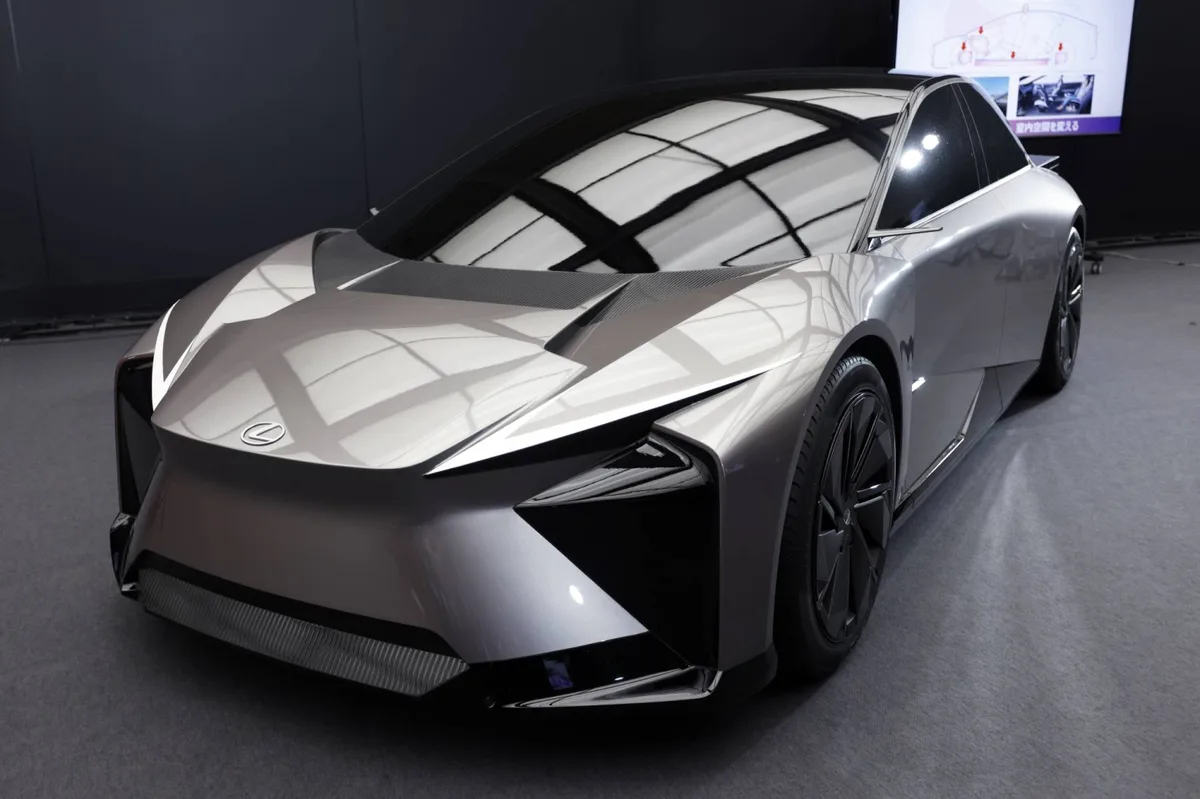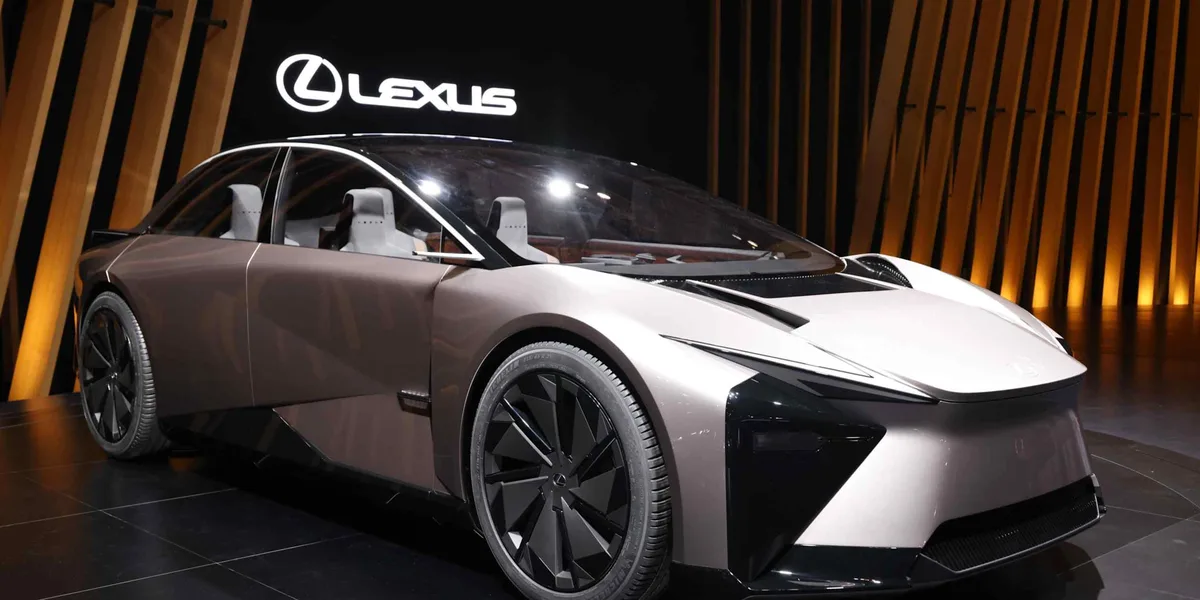
Toyota Motor announced on May 29-30, 2026, that it will discontinue development of the Lexus LF-ZC, a next-generation electric sedan originally planned for mass production and release around mid-2027 [1, 2, 3, 4]. The LF-ZC was designed to feature advanced technologies, including gigacasting and next-generation batteries capable of faster charging and an approximate 1000-kilometer driving range using all-solid-state battery technology [3, 4].
This decision comes amid a global slump in electric vehicle sales, notably in the United States. Toyota cited a significant drop in U.S. EV market demand following the end of tax incentives under the Trump administration as a major factor affecting their plans [3, 4]. Despite this, Toyota's global EV sales increased by about 40% in 2025 to roughly 200,000 units, led by models such as the bZ4X SUV [4].
Rather than proceeding with the LF-ZC sedan, Toyota plans to focus on developing electric SUVs and other vehicle segments that align better with current market trends [1, 2, 4]. The company emphasized it will continue investing in research and development for advanced EV technologies, including all-solid-state batteries and gigacasting methods, to improve future product offerings [3, 4].
The LF-ZC electric sedan, which was expected to be Lexus's flagship EV, will not reach production. Toyota's choice to shift focus reflects a response to changing consumer demand and regulatory environments globally [1, 2, 3, 4]. The company will likely announce subsequent updates on its EV lineup and technological progress at future industry events.
The planned launch date for the LF-ZC in mid-2027 is now officially canceled as of May 2026 [3, 4].