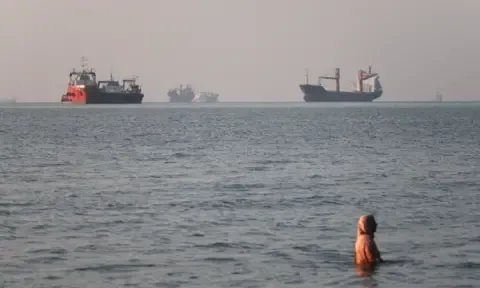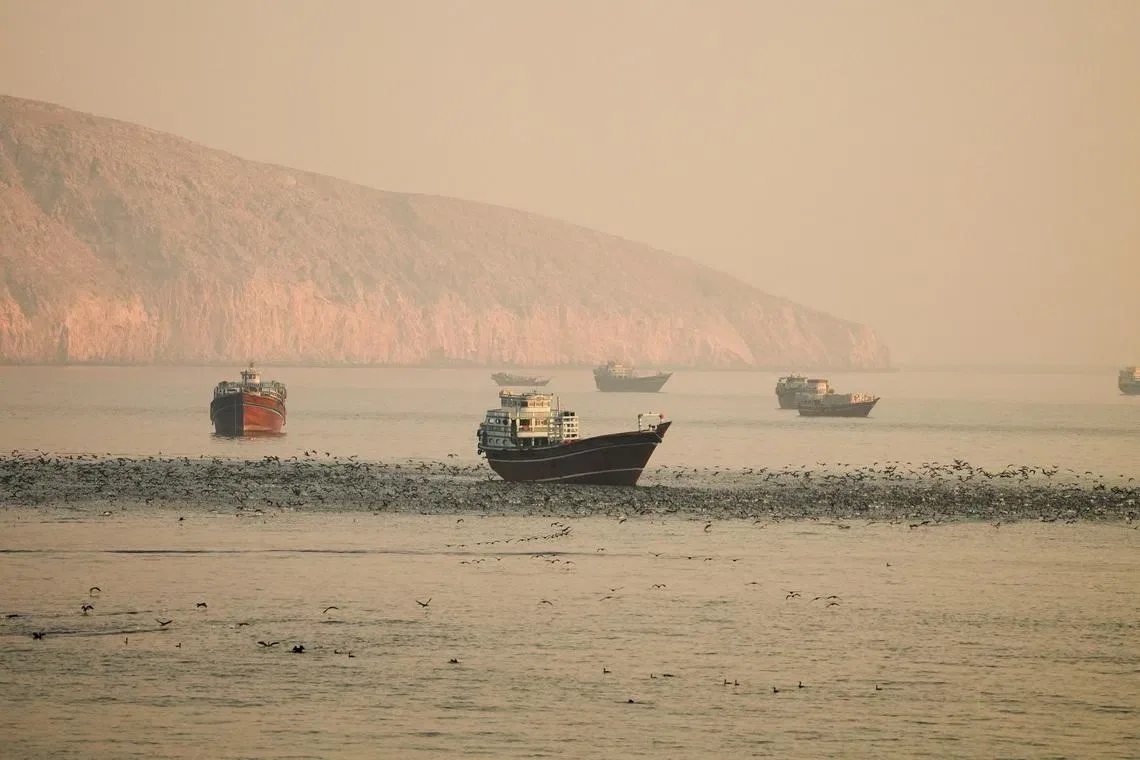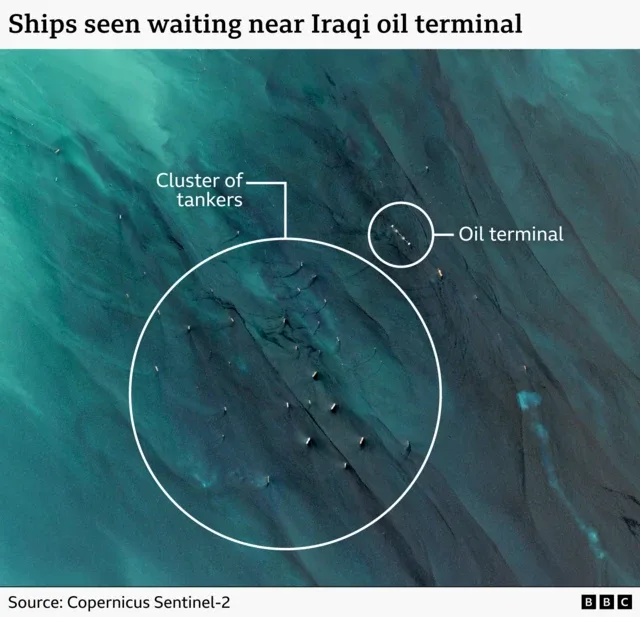
The Strait of Hormuz has not returned to normal shipping traffic despite the US-Iran agreement announced June 14. Since that date, only about seven ships have passed through the strait while roughly 580 vessels remain anchored in the Gulf of Oman, including more than 250 tankers and 330 cargo ships as of June 16. Around 75% of the tankers in the Gulf are stationary, unable or unwilling to transit the strait [1, 2, 3].
The waterway has been effectively closed since late February following US and Israeli strikes and Iran's subsequent blockade. The conflict led to at least 46 reported attacks on ships and 14 seafarer deaths, according to the International Maritime Organization [1, 4, 2, 3]. Iranian forces have mined much of the main shipping channel of the strait and there have been multiple reports of floating mines, raising severe security risks [4, 2, 3]. Clearing these mines could take 30 days to six months, a process experts say is crucial before normal shipping can resume [2, 3].
Additional obstacles to reopening include Iran’s attempt to assert control over navigation, including the establishment of a Persian Gulf Strait Authority to administer permits and potentially charge fees. Iranian semi-official media report that the future administration of navigation services may be jointly handled by Iran and Oman [4, 2, 3].
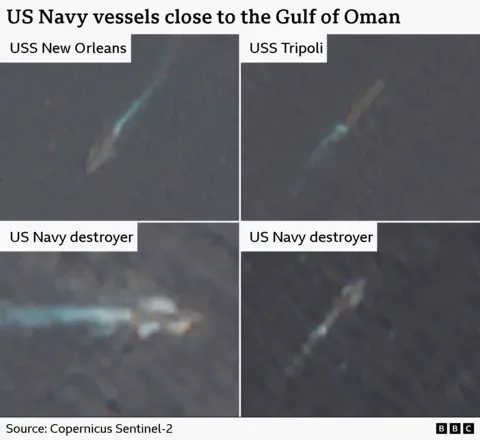
The US naval blockade imposed on Iranian ports since April 13 remains in place despite President Trump's June 14 announcement of its immediate removal. Clarifications from US officials confirm it will stay until the final deal is signed [1, 2, 3].
Shipowners and experts express deep concerns about security and the unpredictability of the situation. Martin Kelly from EOS Risk Group said, "It would take an extremely brave captain to transit through the Strait of Hormuz, given the current state." Naveen Das, a senior oil analyst, noted that the first clear sign of reopening would be the departure of the large backlog of trapped vessels [1].
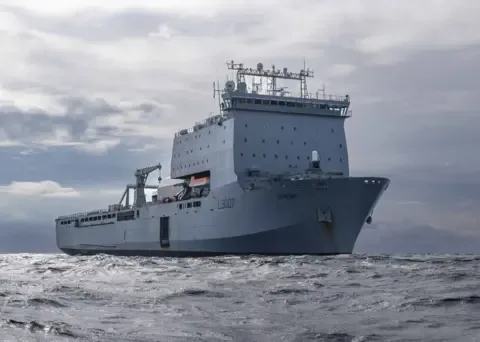
British and French navies have deployed vessels with mine-clearing capabilities to assist reopening efforts, including the British Royal Auxiliary ship RFA Lyme Bay near Cyprus [2, 3]. UK Prime Minister Sir Keir Starmer stated the UK "will be fully engaged to assist in reopening the Strait of Hormuz as soon as possible" [2].
Analysts recommend observing developments until June 19 to gauge if shipping traffic improves. Martin Kelly said, "We need to observe for a few more days, maybe until Friday (June 19), to see how the situation unfolds" [2].