Saudi Arabia's oil export revenues hit approximately $24.7 billion in March 2026, marking the highest level in more than three years [1, 2]. The surge was driven by elevated energy prices and the activation of a cross-country pipeline enabling shipments through Red Sea ports, which offset disruptions caused by the closure of the Strait of Hormuz following the outbreak of war in the Middle East at the end of February [1, 2].
Oil exports comprised 80.3% of the kingdom's total merchandise exports in March 2026, up from 71% the previous year, reflecting the growing dominance of petroleum exports in Saudi trade [2]. Exports increased 37.4% year-on-year in March, supported by the pipeline route that allowed Saudi Arabia to bypass the blocked Strait of Hormuz and maintain energy shipments [2]. By the end of March, the country had recovered about 70% of its prewar oil export volumes using this alternative route [2].
Non-oil exports, however, fell 17.3% year-on-year during the month, while imports declined 24.8%, highlighting the challenges facing other trade sectors in the wake of regional disruptions [2]. Despite this, Saudi Arabia's merchandise trade surplus rose sharply, increasing 218.9% compared to March 2025 [2].
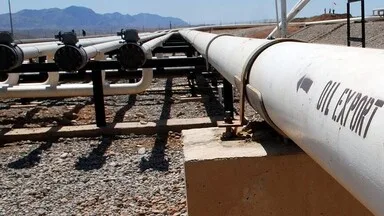
The pipeline to the Red Sea coast proved critical to mitigating the disruption after the Strait of Hormuz shut due to the conflict, illustrating how the kingdom secured its export flows despite regional instability [2]. Analysts will watch upcoming trade data to see if the recovery continues amid continuing tensions.
Saudi officials have not announced further export targets following the March recovery levels. Monitoring export revenues and volumes in the coming months will provide insight into how Saudi Arabia manages energy trade amid ongoing geopolitical challenges.