US-Iran mediation efforts to resolve conflict stalled after a temporary ceasefire in early April 2026, putting pressure on Pakistan’s economic recovery [1].
Pakistan’s foreign exchange reserves are at risk due to the stalled peace process, rising import costs, tighter external financing, and conditional support from Gulf partners [1]. These combined factors have strained the country’s financial buffers.
Oxford Economics forecasts oil prices will average $113 per barrel in the second quarter of 2026 before falling to $79 by the end of the year [1]. Senior economist Callee Davis said, "Our updated forecast assumed oil would average US$113 per barrel in the second quarter of 2026 before easing to US$79 by the end of the year. Under that scenario, and with no change in imports or remittance behaviour, Pakistan’s reserves would 'deteriorate sharply', falling to US$6.8 billion by the end of 2026 and approaching US$1.6 billion by the 2028 financial year." [1]
If imports and remittances do not adjust to the new conditions, reserves could fall sharply to $6.8 billion by the end of 2026 and decline further to around $1.6 billion by the 2028 financial year [1].
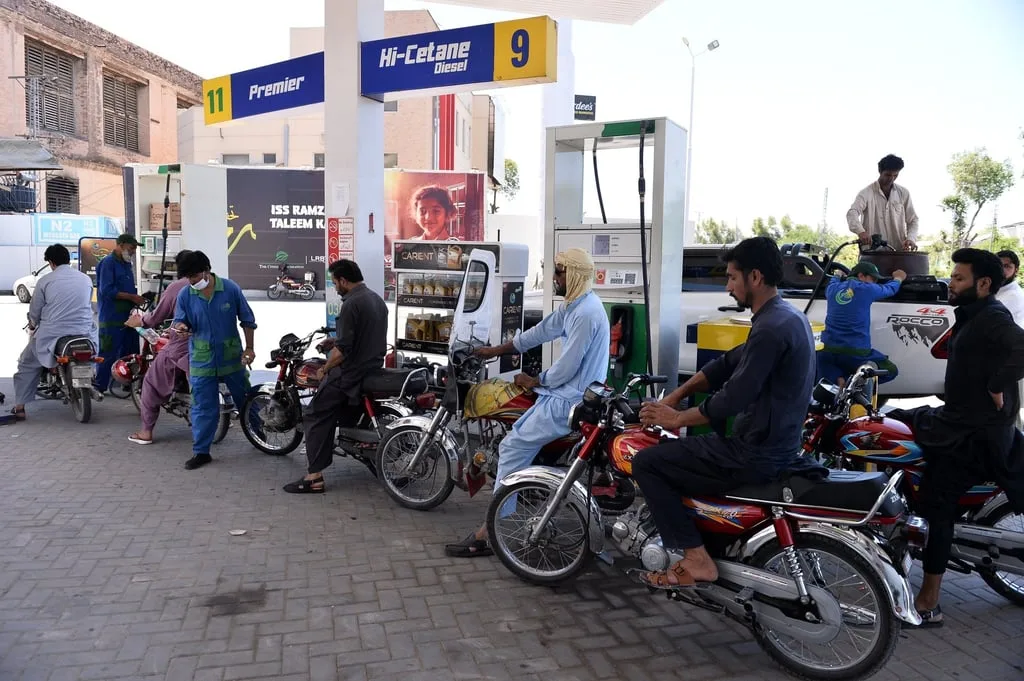
Domestic energy curbs in Pakistan could also weigh on economic growth amid these external pressures, though the impact remains medium confidence [1].
The temporary ceasefire in early April 2026 preceded the current stalled mediation, marking a brief pause in regional tensions [1].
Pakistan faces a critical test in managing foreign exchange reserves and energy supply while external financing conditions remain tight. The outlook for oil prices in Q2 and beyond will play a key role in shaping economic stability through the rest of 2026 [1].