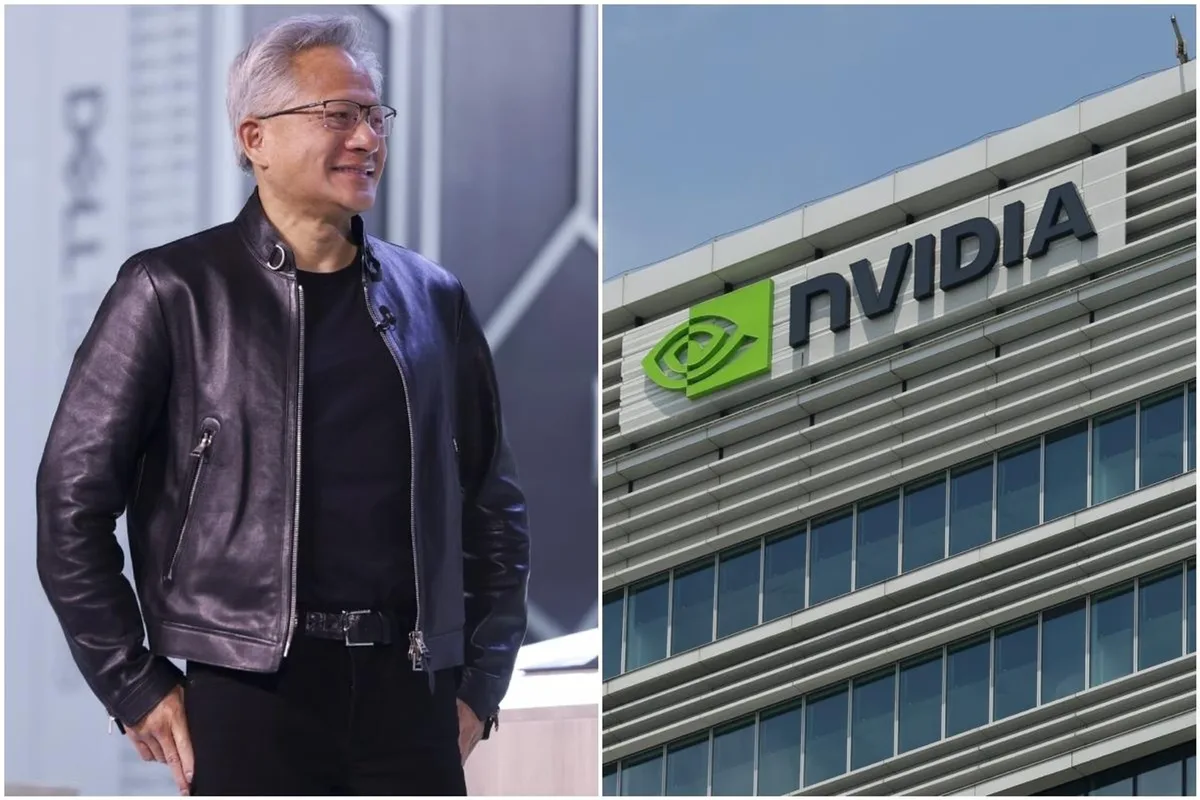
Nvidia reported a sales forecast of about US$91 billion for the three months ending July, surpassing average analyst estimates near US$87 billion but falling short of some projections up to US$96 billion [1]. The forecast was released in Nvidia's May 20 quarterly report, alongside an announcement of a significant increase in dividend payouts [1].
Despite beating sales expectations and raising dividends, Nvidia’s shares declined by about 1% after the report, reflecting investor caution around the outlook [1]. The company currently pays a very small dividend, yielding just 0.02%, far below tech peers like Apple, which analysts note could limit appeal for income-focused investors [2].
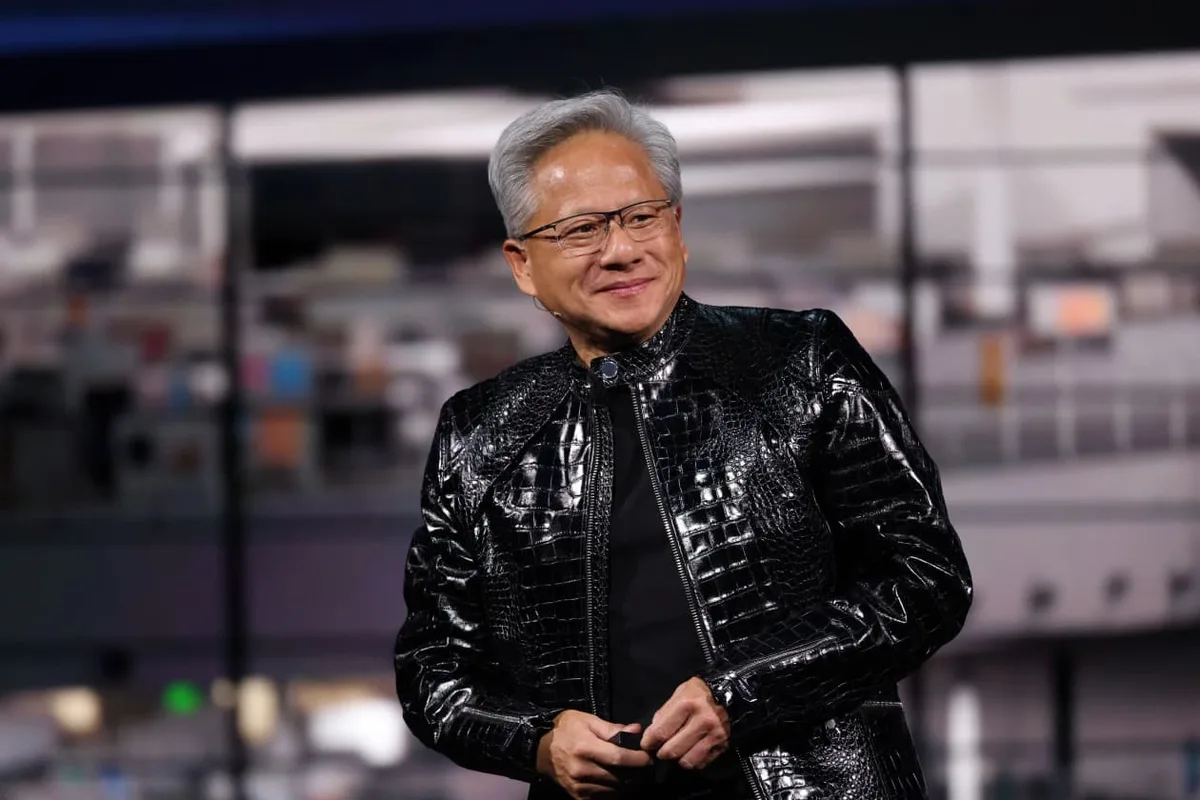
Nvidia CEO Jensen Huang emphasized the company's long-term growth prospects in AI, saying "We’ve got it all covered". He pointed to "physical AI" applications in robotics and autonomous vehicles as major future opportunities [1]. To expand beyond big data center clients, Nvidia aims to diversify revenue toward a wider range of businesses and governments adopting AI technologies [1].
The company faces increasing competition in the AI accelerator market from Advanced Micro Devices, Broadcom, and Google, raising pressure on Nvidia to innovate and maintain market share [1].
The May 20 report underscored Nvidia’s strong position in the AI chip market, but investor caution over competitive dynamics and growth pacing led to the modest stock pullback [1]. Nvidia’s next financial update will be closely watched for signs of how well it executes on its diversification strategy and capitalizes on emerging AI opportunities.