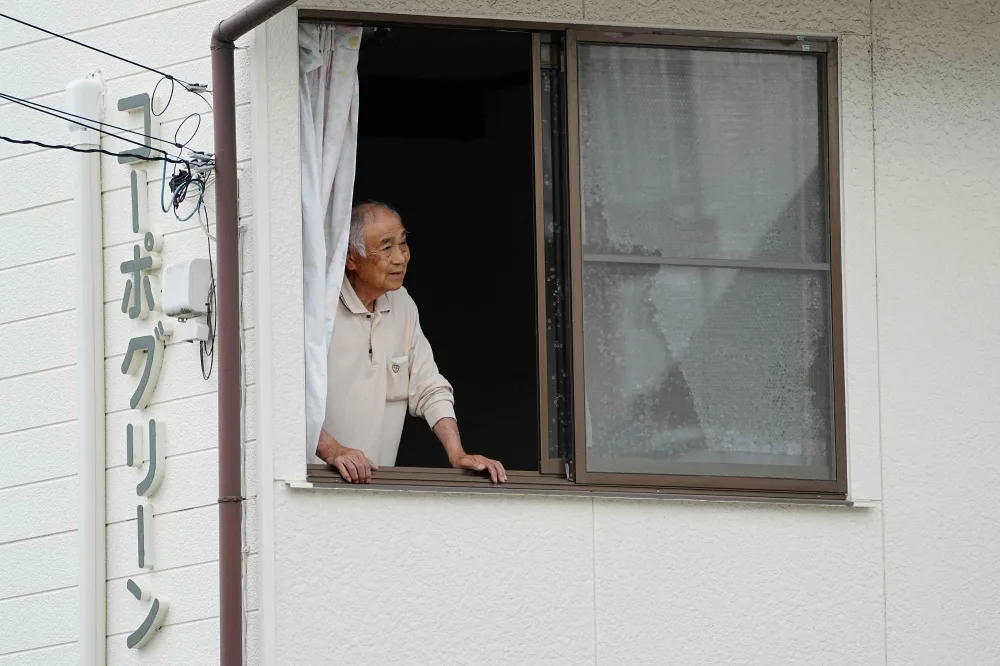
The Japanese government released a white paper today revealing that nearly 40% (39.7%) of Japanese adults aged 65 and older want to continue paid work beyond retirement age [1, 2, 3]. This proportion is significantly higher than comparable figures in the United States (around 24%), Germany (19%), and Sweden (19%) [1, 2, 3].
Financial necessity is the leading motivation among older Japanese who want to keep working, the report found. The government noted, "For many older Japanese, remaining in the workforce is driven not only by personal fulfillment but also by economic necessity" [2]. Other reasons cited include maintaining health, staying socially engaged, and slowing the effects of aging [1, 2, 3].
Japan faces significant demographic challenges due to a rapidly aging population and a shrinking workforce. These pressures are affecting the pension system, healthcare services, and labor markets [2, 3]. Older workers have become a crucial labor source amid widespread shortages across industries in the country [2, 3].
These findings have renewed debate over retirement security and the need to expand employment opportunities for seniors in Japan [2, 3]. The results highlight changing attitudes toward work and aging in a society grappling with demographic shifts.
The white paper was released on June 12, 2026, marking a key update from the government on the nation’s aging population and workforce participation among older adults [1, 2, 3].