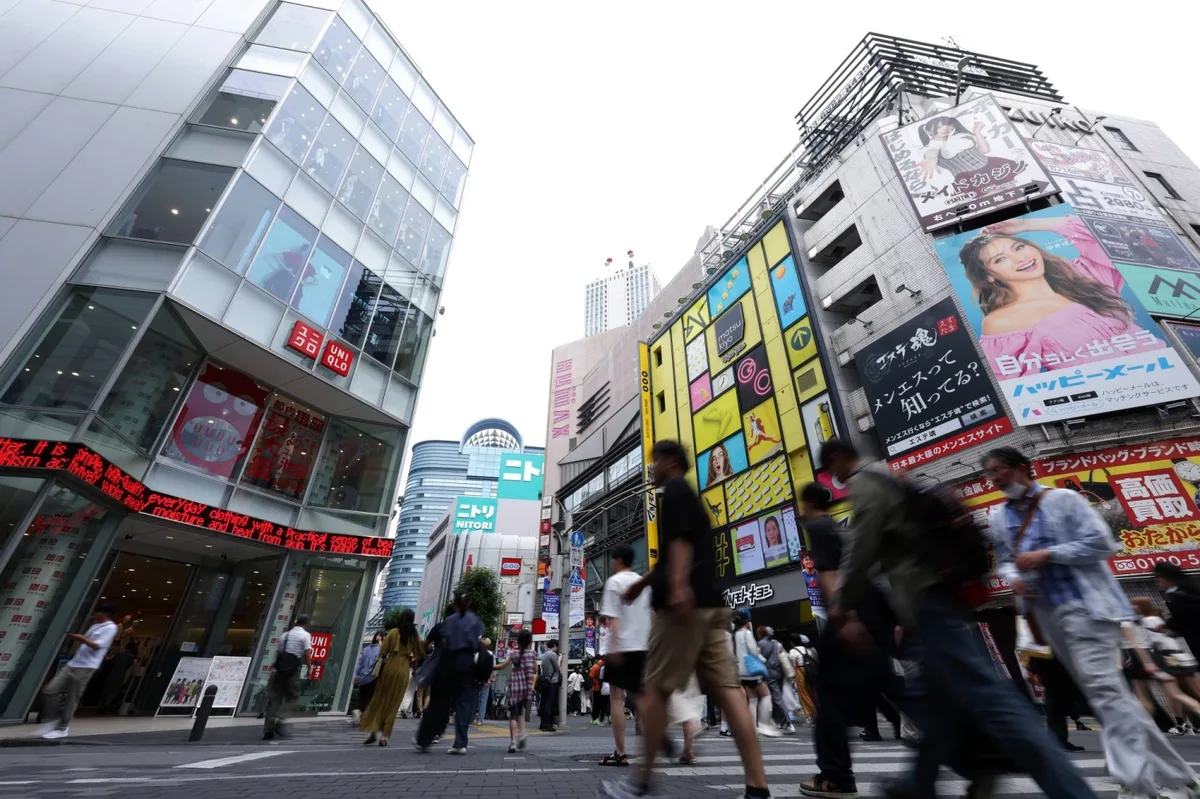
Japan's core consumer price index, which excludes fresh food, rose 1.4% in May 2026 compared to a year earlier, the same rate recorded in April and in line with economists' forecasts, the Ministry of Internal Affairs and Communications reported on June 19 [1, 2, 3, 4, 5]. The core-core inflation rate, excluding both fresh food and energy prices, rose slightly less, at 1.8%, down from 1.9% in April [1, 6, 2, 4, 5]. Meanwhile, the headline inflation figure including fresh food edged up to 1.5% from 1.4% the prior month [6, 4, 5].
Government subsidies, particularly on fuel, helped ease the effects of high energy prices driven by tensions in the Middle East, mitigating inflationary pressure on households, officials said [1, 2]. Despite an interim US-Iran peace agreement, oil prices remain elevated, with normalization of shipments via the Strait of Hormuz expected to take months or longer [1, 2]. The Bank of Japan noted "price pass-through stemming from the rise in crude oil prices has been progressing at a relatively fast pace in business-to-business transactions, which could spread to an increase in consumer prices across a wide range of items" [6].
Producer prices climbed 6.3% in May, marking the fastest rise in more than three years due to escalating energy costs [6]. Food prices showed mixed trends, with rice falling nearly 5%, the first decline in over three years, while prices rose for items such as chocolate, coffee, tuna, pork, and pre-packaged meals [4, 5].
The yen remained weak at around 161 yen per US dollar, near a 40-year low, adding import cost pressures that contributed to inflation [6, 2]. The government has also implemented measures to reduce childcare costs to ease living expenses [1, 2].
The Bank of Japan raised its benchmark interest rate by 25 basis points to 1.0% on June 17, reaching the highest level since 1995 and marking its first hike since December 2025 [6, 2, 4, 5]. Shunsuke Kobayashi, Mizuho Securities chief economist, said, "The BOJ will continue normalizing policy gradually, if the outlook remains intact, and inflation momentum is actually easing, not accelerating" [2].
The Ministry of Internal Affairs and Communications will release June inflation data in July, providing the next update on consumer price trends.