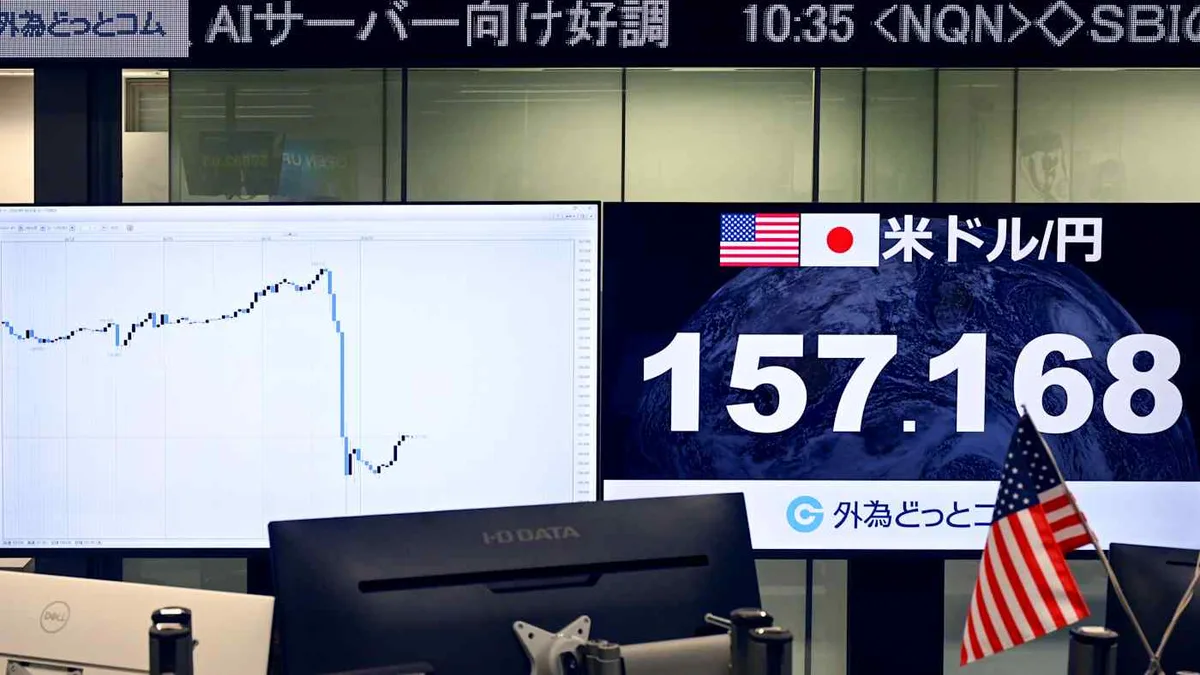
Japanese officials intervened in the currency market this week, marking their first action of this kind in more than a year and a half [1]. The move aimed to stabilize the yen as energy prices surged due to the ongoing conflict in Iran, which has put significant pressure on Japan's currency [1].
Trade deficit concerns played a role in the decision, alongside unusually low trading volumes ahead of a national holiday, according to reports [1]. Such factors heightened market volatility and increased the risk of disruptive currency swings.
On May 1, Atsushi Mimura, Japan's vice finance minister for international affairs, addressed reporters at the Finance Ministry in Tokyo. While details of his statements were not disclosed, the timing coincides with efforts to calm currency markets [1].
Japanese intervention in the foreign exchange market is rare and was last seen more than 18 months ago, underscoring the severity of recent yen weakness amid global commodity price shocks [1]. The yen's fall against the dollar threatened to raise import costs, further straining Japan's trade balance already stressed by rising oil prices.
The next significant event will be closely watched for updates on further government or central bank responses to currency market developments as the Iran conflict continues to affect energy supplies and costs.