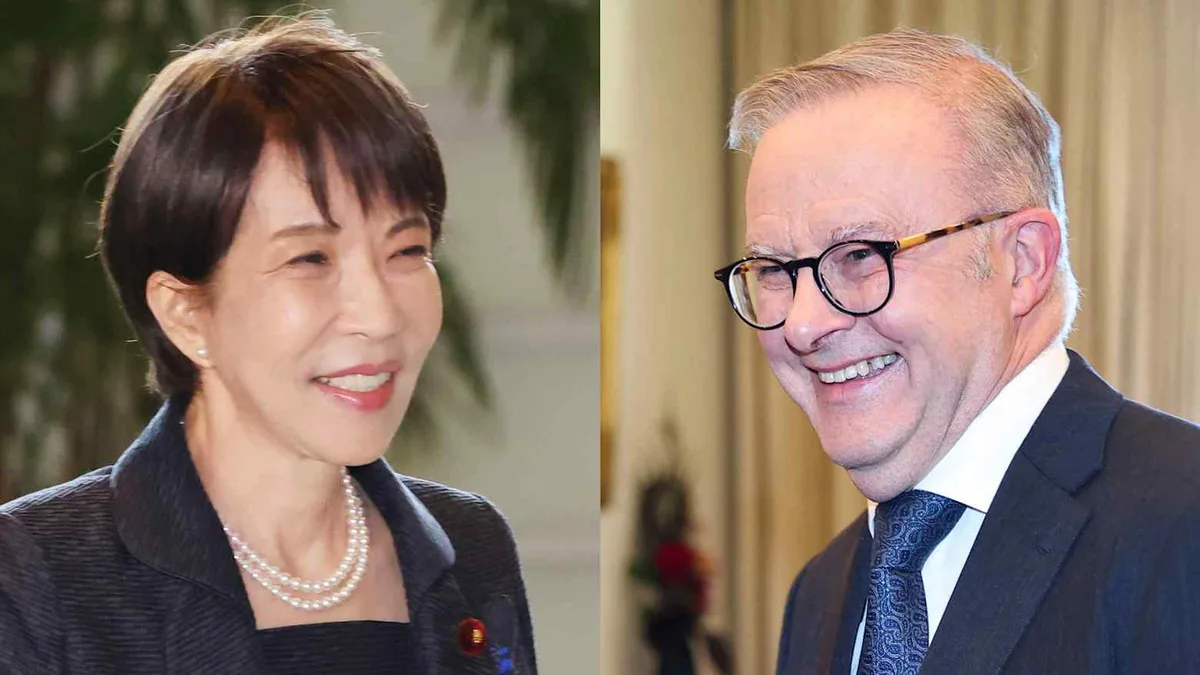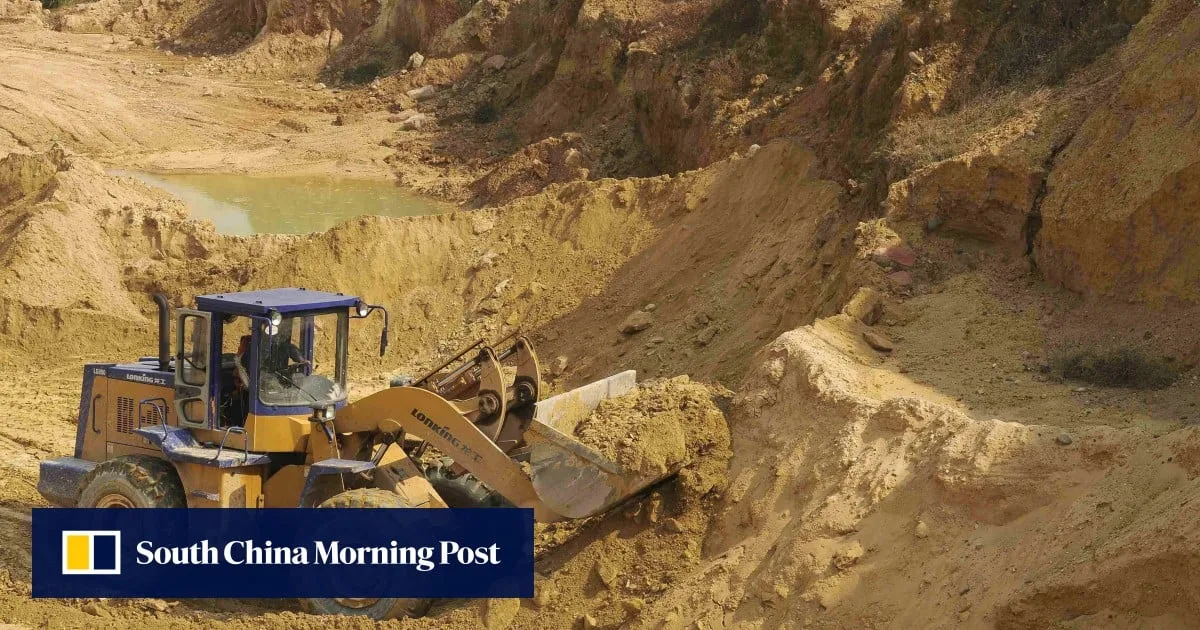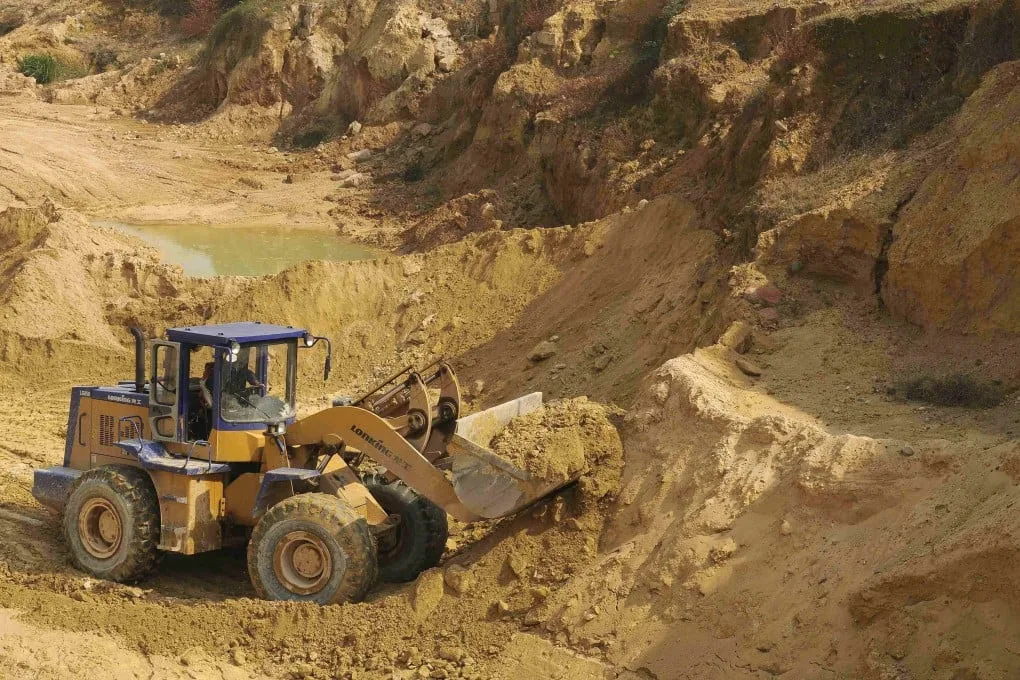
Japan and Australia announced plans to prioritize and fast-track six projects focused on developing critical minerals such as rare earths and nickel, vital for technology and clean energy sectors [1]. The move responds to increasing efforts to diversify supply chains in the Asia-Pacific region away from China, the dominant global supplier [1].
Meanwhile, the Asian Development Bank (ADB) launched a new financing facility aimed at strengthening critical mineral supply chains across the Asia-Pacific. The initiative focuses on moving regional countries beyond mining to include processing and recycling of these minerals, boosting industrial value addition locally [2].
Japan pledged US$20 million to support the ADB facility, with the United Kingdom committing US$1.6 million, signaling international backing for supply chain resilience [2]. Masato Kanda of the ADB said, "Asia and the Pacific should be more than a source of raw materials," adding, "The region should also capture the jobs, technology and value these minerals provide" [2].
Reports first surfaced Friday via Nikkei that the joint Japan-Australia projects would be expedited to secure supply diversity and reduce dependency on Chinese exports [1]. On May 3, Masato Kanda emphasized in a press release the regional importance of capturing greater economic benefits from critical minerals [2].
The ADB president also issued a statement Sunday highlighting the bank’s commitment to facilitating sustainable mineral supply chains [2]. A joint statement by Japan’s Sanae Takaichi and Australia’s Anthony Albanese is expected next week during Takaichi’s visit to Australia, further solidifying cooperation efforts [1].