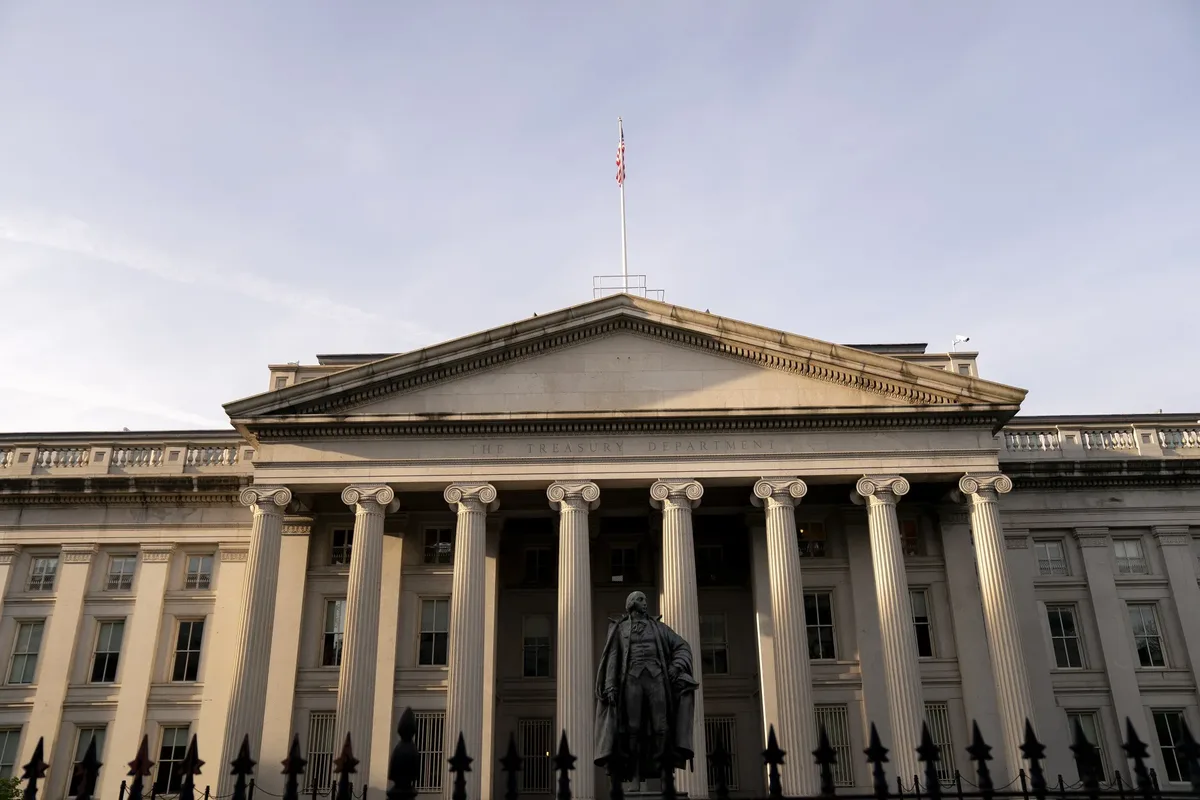
The yield on the US 10-year Treasury rose to about 4.49%, its highest level since July 2025, driven by accelerating inflation and expectations of Federal Reserve interest rate hikes [1, 2, 3]. On May 13, the yield on the US 30-year Treasury exceeded 5% for the first time since 2007, reaching 5.046% at a $25 billion auction [4, 3]. The rise in US yields reflects strong inflation data, including a 1.4% monthly increase in the producer price index (PPI) for April 2026—the largest since March 2022—and a 6% annual PPI rise, the highest since December 2022 [3]. US consumer price inflation for April rose 3.8% year-on-year, beating economists' forecasts [3].
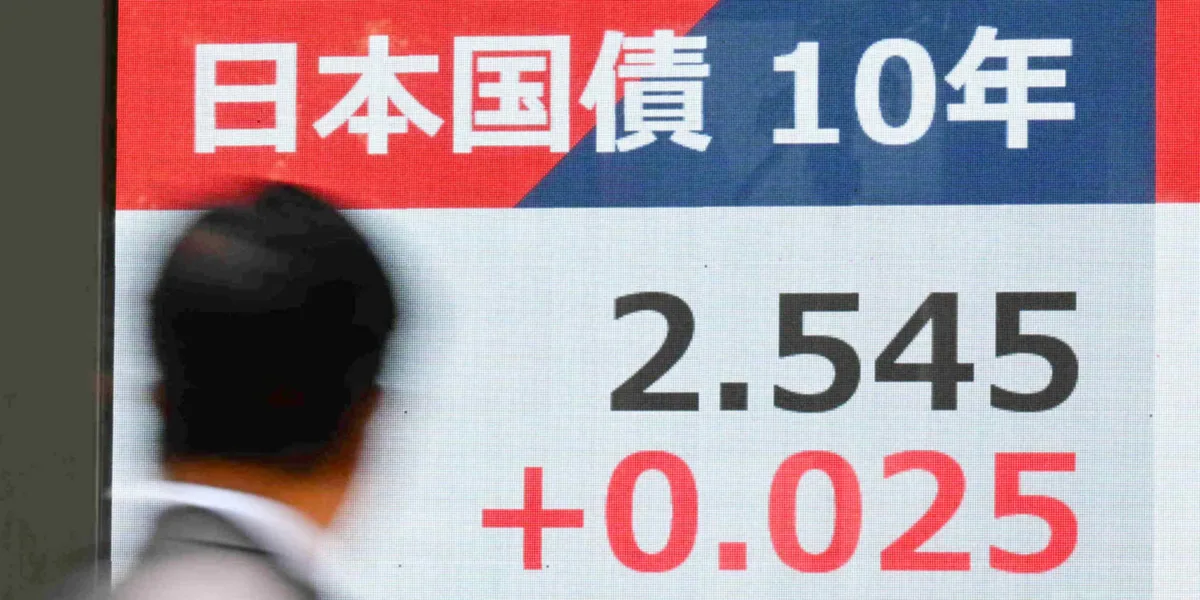
Meanwhile, Japanese government bond yields climbed to multi-decade highs amid inflation worries exacerbated by sustained high energy prices and tensions linked to the Iran conflict [5, 6, 7, 8, 9]. Japan's 20-year government bond yield hit 3.495% on May 13, surpassing the January peak and reaching its highest since 1997 [7, 9]. The 10-year Japanese bond yield also rose to around 2.59%, a level last seen in 1997 [7, 8, 9]. Demand for Japanese 30-year bonds remained strong during the May 14 auction, with a bid-to-cover ratio of 3.49, above the 12-month average of 3.37 [5].
The increase in yields coincides with a weakening Japanese yen against the US dollar. This fall adds inflationary pressure and complicates bond market dynamics despite estimated central bank FX interventions totaling about ¥10 trillion since April 30 aimed at stabilizing the currency [7]. Concerns about Prime Minister Sanae Takaichi's fiscal policies have also contributed to volatility in the Japanese bond market earlier this year [7].
Market strategists link the bond yield rises to both inflation and supply factors. Wee Khoon Chong, senior APAC market strategist at BNY, said, "The upward trend for JGB yields is here to stay, driven by anticipated deficit-triggered higher supply pressure, a weak yen and elevated commodity prices. That will likely fuel inflation pressure down the road" [7].
US economists remain cautious about the pace of monetary tightening. Lindsey Piegza, chief economist at Stifel, commented, "The conversation for new rate hikes may be opening, but first and foremost the Fed is going to remove some of that easing bias from the statement and reaffirm their positions on the sideline. What’s more concerning is this morning’s report suggests that the brunt of the pain has not yet been felt" [2]. Clark Bellin, Bellwether Wealth president, added, "Wednesday's PPI was strikingly elevated as producers are feeling the ripple effects of $100 per barrel oil, which is raising the cost of production across the board, as energy is arguably the most critical input cost" [3].
US Treasury Secretary Scott Bessent echoed concerns about excessive foreign exchange volatility and said his team would stay in close contact with Japanese authorities, while Japanese Finance Minister Satsuki Katayama reported close coordination on currency policy with Bessent's team [7].
Markets expect the Federal Reserve to raise interest rates by June 2027 amid accelerating inflation pressures [1, 2]. Japan will hold further bond auctions as inflation and currency dynamics continue to shape market conditions.