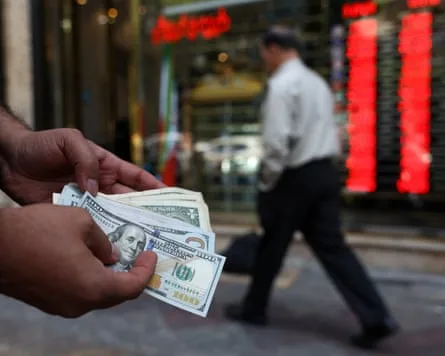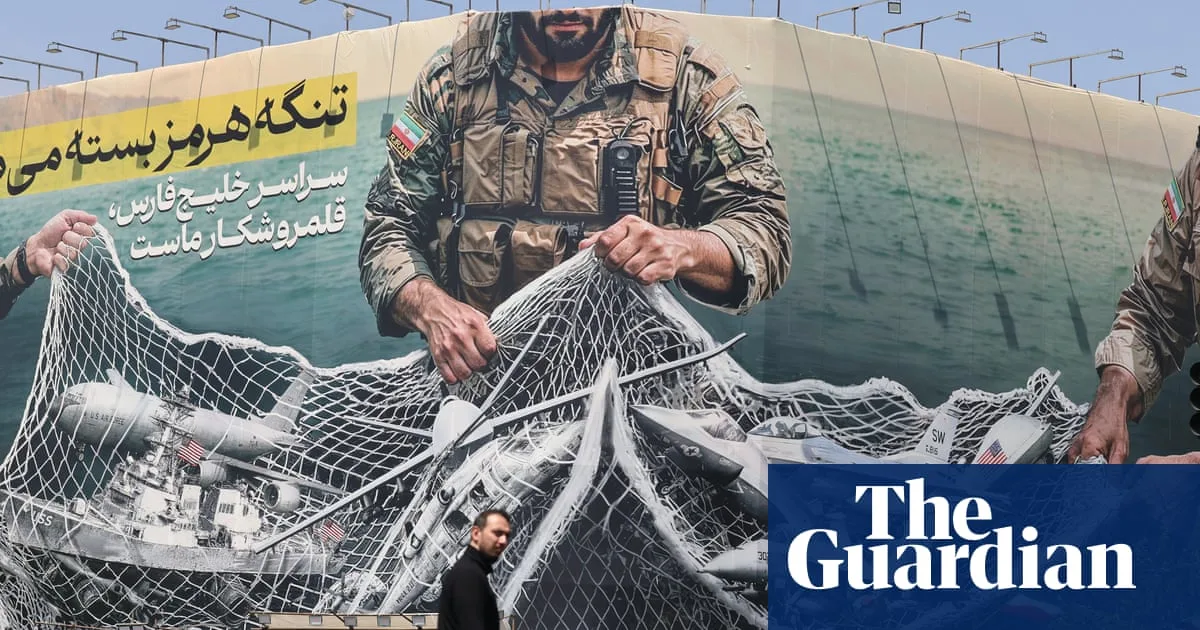
Iran's economy is under severe strain due to costs from war damages, soaring inflation, currency devaluation, rising unemployment, and shrinking oil revenues, according to a recent report [1]. Political elites in Tehran worry about how hardline they can be in negotiations with Washington as tensions rise [1].
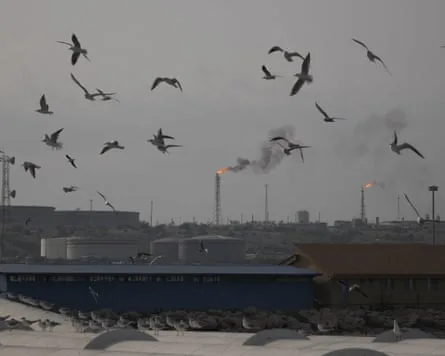
The US launched a naval blockade on April 13 aimed at blocking Iranian tankers from reaching the Strait of Hormuz, a key shipping route. The blockade seeks to reduce Iran's oil export revenue, estimated at risk at $175 million daily [1]. Despite the blockade, Iran is currently producing more oil than it can export, with enough tankers still passing through and storage not yet full [1]. Independent estimates indicate Iran has up to three weeks of free usable oil storage capacity left [1].
The economic damage to Iran is huge, potentially nine times last year's budget, and the United Nations Development Programme estimates another 4.1 million Iranians could fall into poverty due to worsening conditions [1]. US sanctions also targeted companies linked to Chinese refineries, prompting a counter-injunction from China's Ministry of Commerce on Saturday [1].
On April 26, former US President Donald Trump predicted Iranian oil wells would "explode" within three days, describing the damage as "very powerful" and adding, "When it explodes, you can never, regardless, you can never rebuild it the way it was" [1]. Trump also commented on Iran's current situation, saying "right now," they are struggling [1]. Some analysts likened Iran's predicament to "rats in a sewer pipe," highlighting the constriction of their economic options [1].
The blockade and sanctions appear to be pressuring Iran's oil capacity, with predicted well damage potentially reducing output to about 50% of current levels [1]. Tehran remains politically divided over how strongly to push back in US negotiations given the mounting economic fallout [1].
Iran's oil storage ability will be key in the coming weeks as the blockade continues and sanctions intensify. The country's economic and political leadership face major challenges managing the crisis and its impact on ordinary citizens.