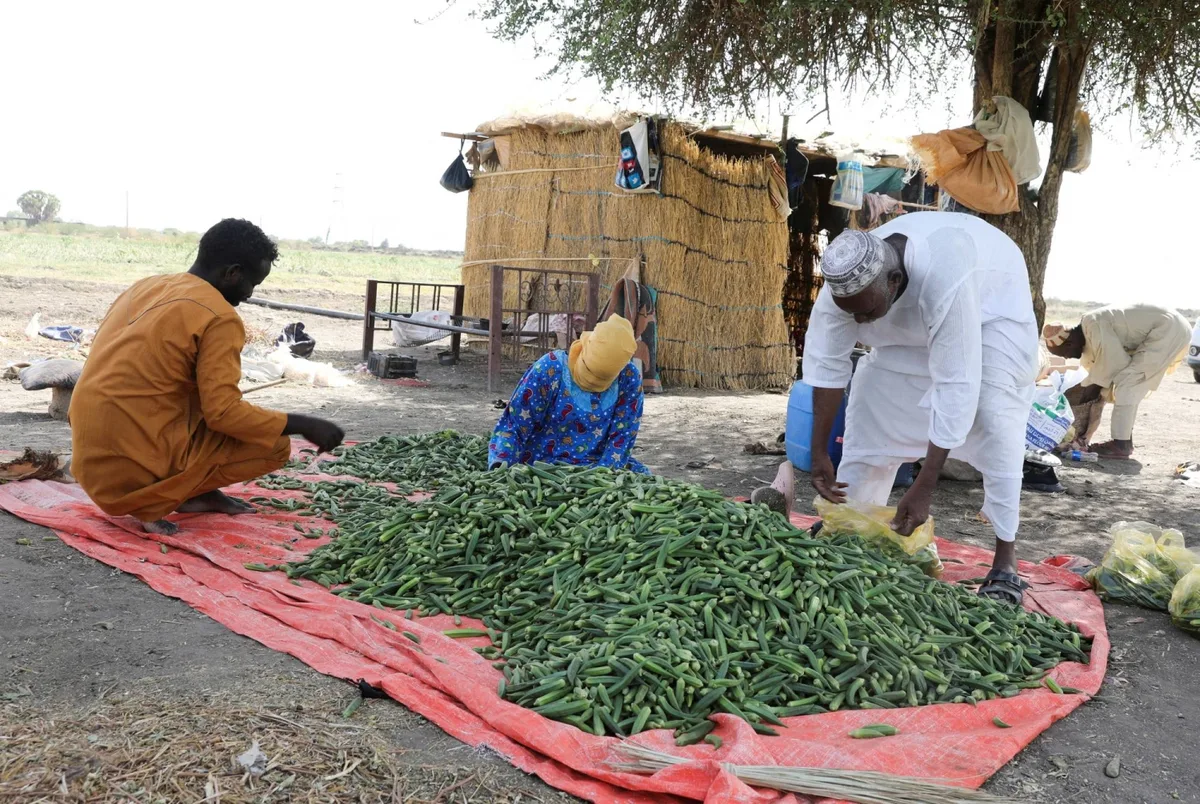
Farmers across Sudan report that rising global fuel and fertilizer prices caused by the war in Iran will curb planting this summer, limiting food production in a country already torn by civil war [1, 2]. Sudan relies on the Persian Gulf for over half its fertilizer, making it vulnerable to supply disruptions from the Iran conflict [1, 2].
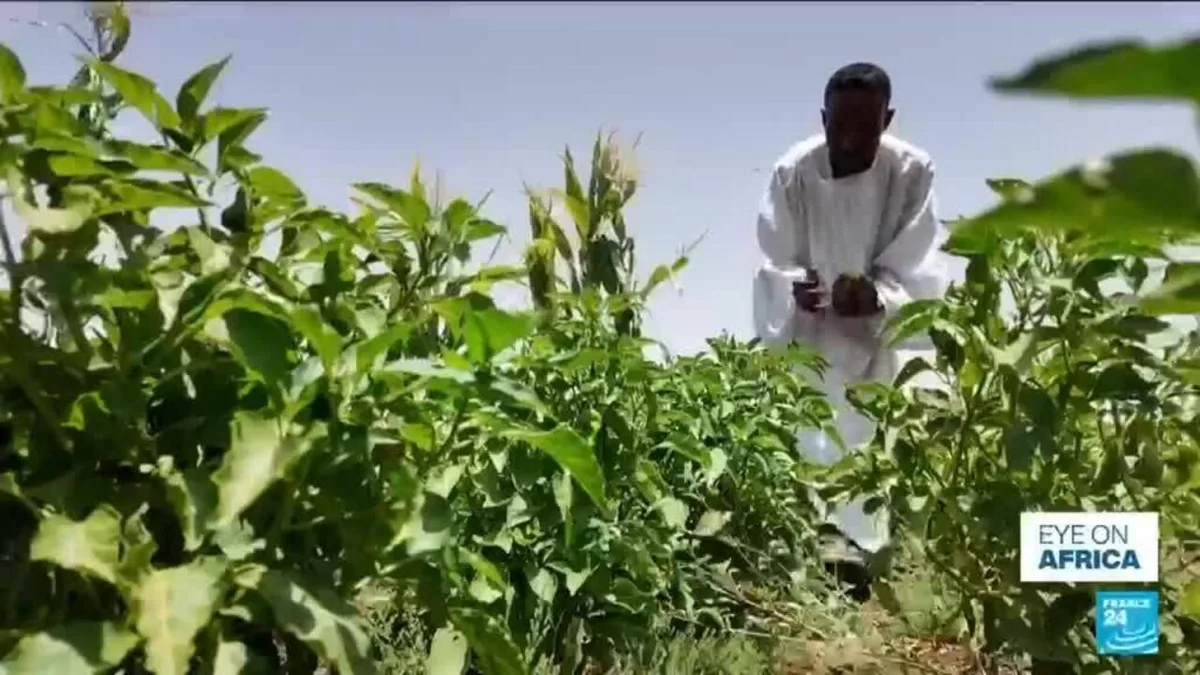
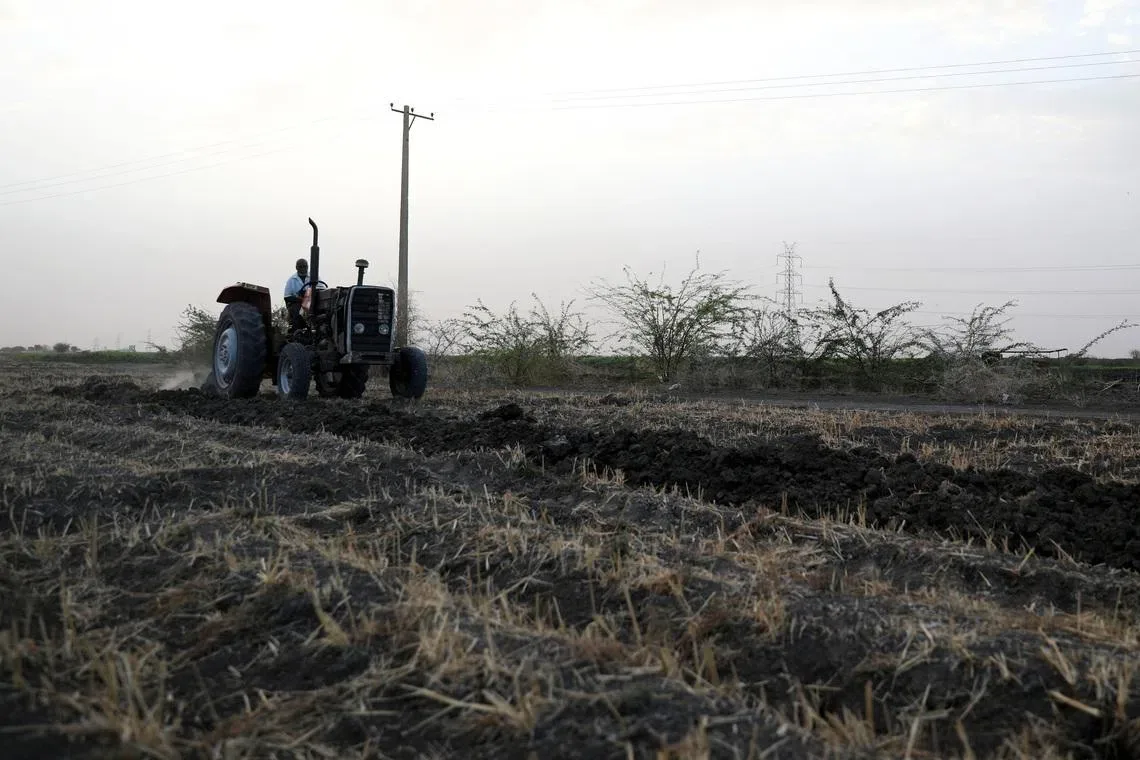
The ongoing war between Sudan’s army and the paramilitary Rapid Support Forces has left the country dependent on fuel imports. Prices for fertilizer have surged 67% year-on-year, while fuel prices, including diesel used for irrigation, have more than doubled [1]. A Sudanese farmer, Bashir Ismail, said, "At that price we don’t make a profit, you spend your whole profit on the diesel" [1].
About two-thirds of Sudan’s population depends on farming for their livelihoods, and the agricultural sector suffers from decades of mismanagement and the effects of the current conflict [1, 2]. Fighting continues across key agricultural regions such as Kordofan, with control divided between the army in central and eastern Sudan and the Rapid Support Forces in western Darfur [1].
The result is a deepening food crisis. Approximately 19.5 million people—over 40% of Sudan’s population—face crisis-level hunger, with some areas at risk of famine [1, 2]. Sadig Elamin, a UN FAO senior food security analyst, warned the regional conflict has added "salt to the wound," saying agricultural production could fall by "not less than 40%" [1]. The UN humanitarian office also cautioned that continued shocks could worsen hunger beyond the current crisis [1].
Despite these challenges, Sudan has attracted Gulf investors interested in its agricultural potential [1, 2]. However, with high input costs and active warfare, many farmers are struggling to plant crops this season.
The latest report from May 25 detailed how Iran’s conflict-driven price surges threaten Sudan's agricultural output and food security amid civil war [1]. Planting decisions and crop yields in the coming months will determine the immediacy of the food shortages.