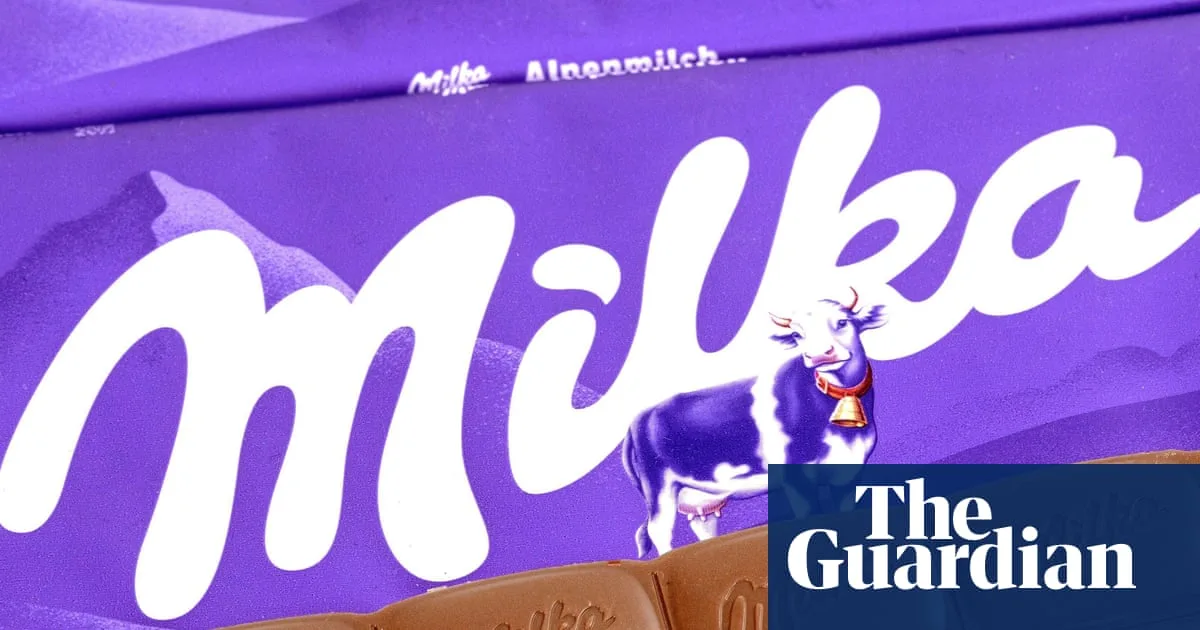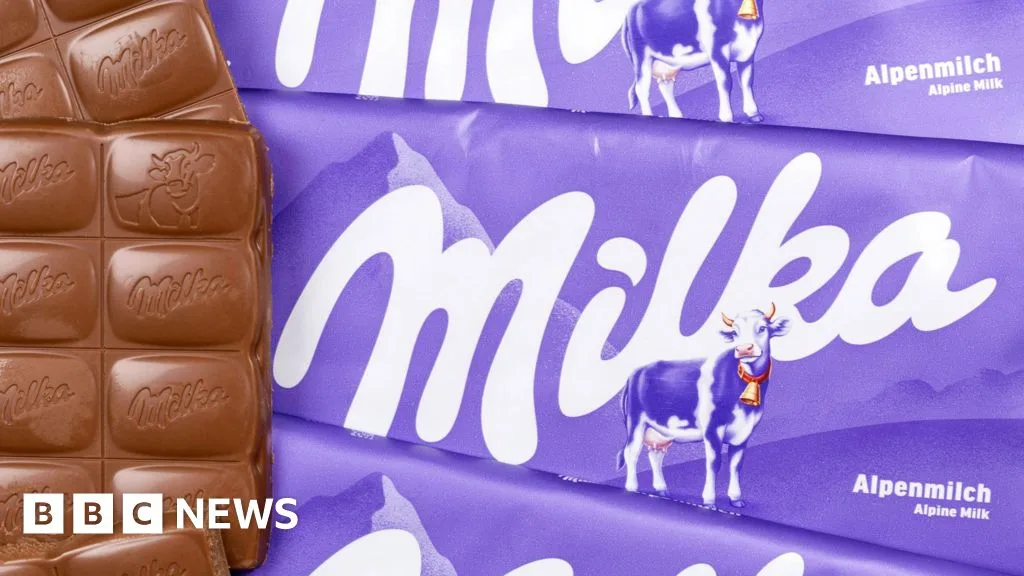
A regional court in Bremen ruled in May 2026 that Mondelēz misled consumers by shrinking the Milka Alpenmilch chocolate bar from 100 grams to 90 grams without clear, visible notice on the packaging [1, 2].
The case followed a three-week trial brought by Hamburg’s consumer protection office (VZHH), which challenged Mondelēz’s packaging and pricing practices [1, 2]. The court said the company needed to display an obvious notice on the wrapper to inform buyers of the reduced size to avoid deception [1, 2].
Starting January 1, 2025, the Milka Alpenmilch bar’s weight was cut by 10 grams while its price rose from €1.49 to €1.99, triggering consumer backlash [1, 2]. German consumers later voted the bar "rip-off packaging of the year 2025" in response to the shrinkflation [1, 2].
Mondelēz stated that rising costs for cocoa, dairy, energy, and transport motivated smaller sizes across several Milka bars but acknowledged communicating the changes only via its website and social media was insufficient [1, 2]. The company said it is "taking the decision of the court seriously and would look at it in detail now," emphasizing its goal "to communicate transparently, comprehensively, and responsibly" with customers [1, 2].
Shrinkflation, a practice where manufacturers reduce product size while keeping prices steady or higher, is common amid rising costs. Similar changes occurred in other chocolates like Toblerone, Quality Street, and Terry's Chocolate Oranges [2]. Mondelēz also faced criticism in 2016 for shrinking Toblerone bars by increasing gaps between chunks without raising prices, reducing the weight by 20 grams from 360g to 340g [2].
Mondelēz has one month after the May 2026 ruling to lodge an appeal [2].