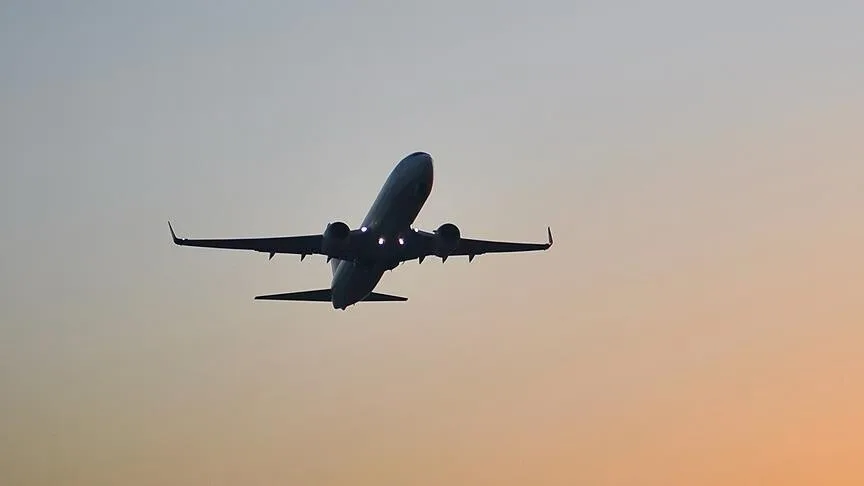
The European Commission warned airlines and EU member states on May 4 to prepare for all scenarios as the jet fuel supply crisis shows no clear resolution date [1]. Commission spokesperson Anna-Kaisa Itkonen said, "I don't think anyone knows how long this situation will last, so the best we can do and the most effective thing that we can do and that we are doing is to prepare for all eventualities" [1].
The Commission has been coordinating closely with member states, industry stakeholders, and international partners including the International Energy Agency since the crisis began [1]. It maintains full situational awareness of jet fuel stocks, distinguishing strategic oil reserves from commercial jet fuel supplies within the EU [1].
Jet fuel prices in Europe have surged sharply since last year, driven by disruptions related to the Middle East conflict and shipping through the Strait of Hormuz [1]. Airlines face rising costs amid these geopolitical tensions and logistics issues.
To address these challenges, the European Commission plans to issue guidance to airlines this week. The guidance will cover anti-tankering rules aimed at fuel efficiency and will address passenger rights amid potential disruptions. It will also explore the possible use of North American-type jet fuel in Europe, a move intended to diversify supply options [1]. Anna-Kaisa Itkonen explained, "Both of the issues, anti-tankering as well as the possible imports of the US type or the North American type of jet fuel that they use, will be included in the guidance that we are planning to present this week" [1].
The European Union Aviation Safety Agency will provide technical recommendations regarding the use of alternative aircraft fuel types to support these efforts [1].
The guidance scheduled for release marks the next concrete step in the EU’s response to the ongoing fuel supply uncertainty.