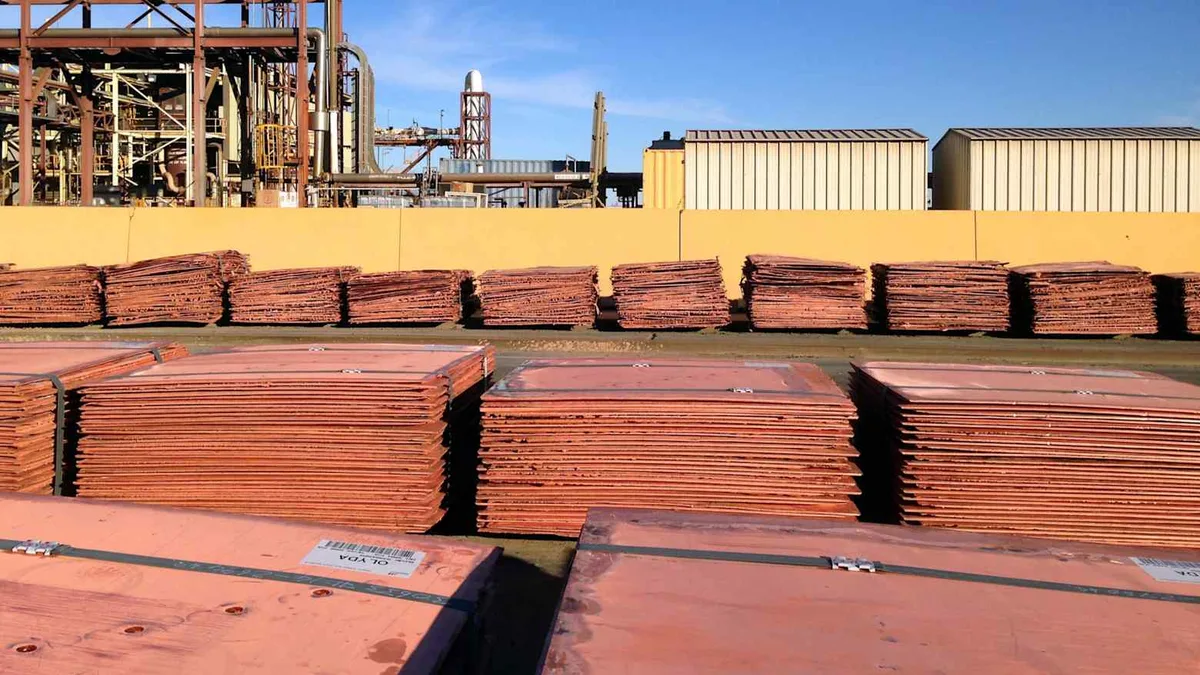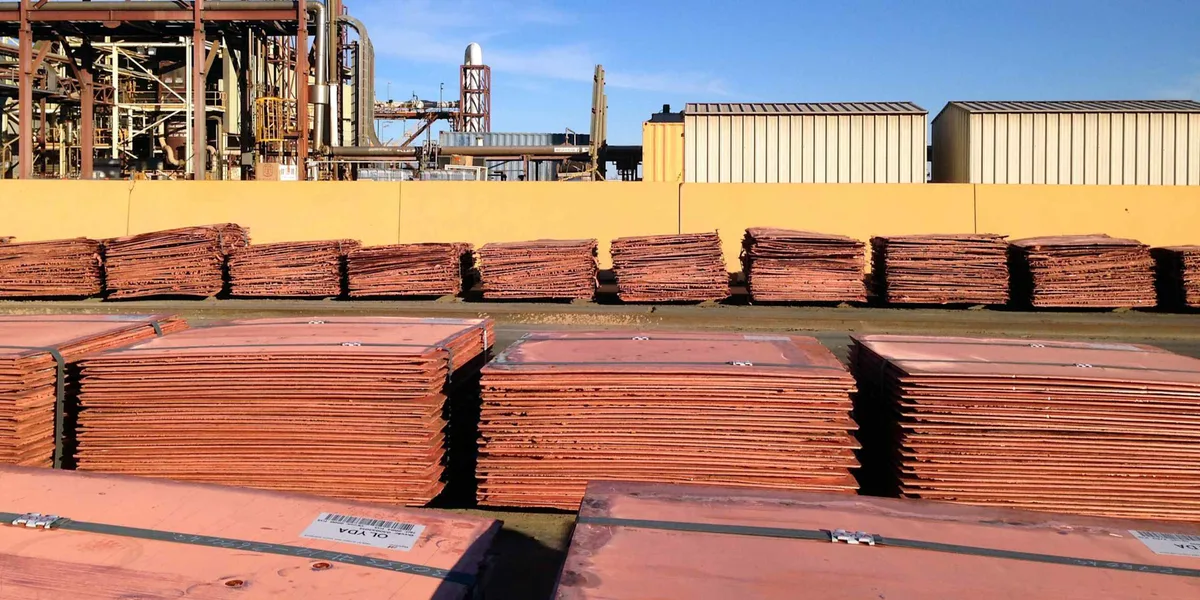
Copper prices approached record highs in mid-May 2026 as speculative investments surged amid concerns over sulfur supply disruptions tied to Middle East conflicts and rising demand from artificial intelligence (AI) sectors [1, 2]. The London Metal Exchange (LME) 3-month copper futures reached $14,196 per ton on May 13, close to January’s peak, while prices stood near $13,655 per ton later in the month [2].
Investor interest intensified, with net long positions in LME copper contracts nearly doubling to 40,000 contracts by mid-May, up from early April levels, signaling strong speculative bets driving prices upward [2]. These positions reflect market anxieties about supply constraints coupled with booming demand.
Sulfur is critical for copper smelting, but supply risks have escalated amid geopolitical tensions in the Middle East. Conflicts disrupting sulfur exports, especially linked to Iranian activity near the Strait of Hormuz, have heightened fears of reduced sulfur availability [1, 2]. Adding to shortages, China temporarily halted sulfur exports to prioritize domestic needs, further straining global sulfur acid supplies essential for copper processing [2].
Supply uncertainties also stem from operational challenges at key mines. Indonesia’s Grasberg mine has yet to fully restart following landslide damage last year, while a major copper mine in Panama remains halted, limiting output and tightening physical supply [2].
Earlier in 2026, copper prices fell temporarily in late March amid uncertainty over Middle East dynamics but rebounded strongly as concerns deepened and demand for copper in AI infrastructure projects surged [1]. AI-related demand primarily arises from large-scale data center construction, a key driver behind the steep price gains observed this year [1, 2].
The copper market faces continued volatility as sulfur supply risks and mine disruptions persist. Investors will watch for further price movement and the timeline for mine restarts as well as geopolitical developments in the Middle East.