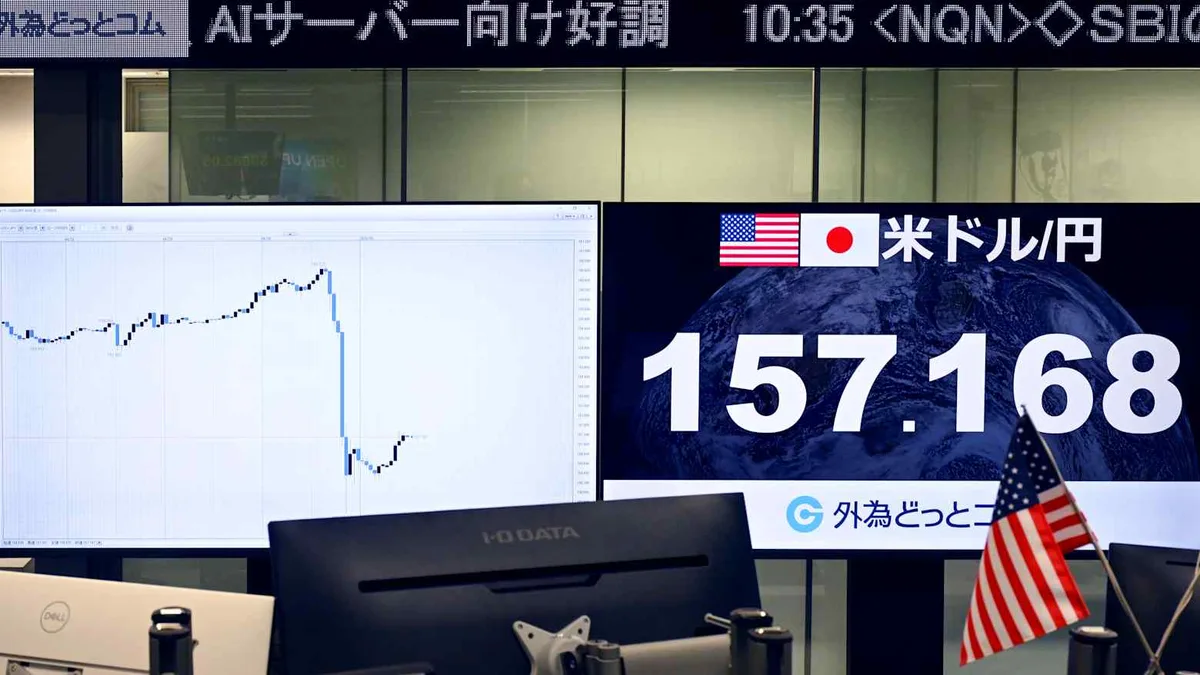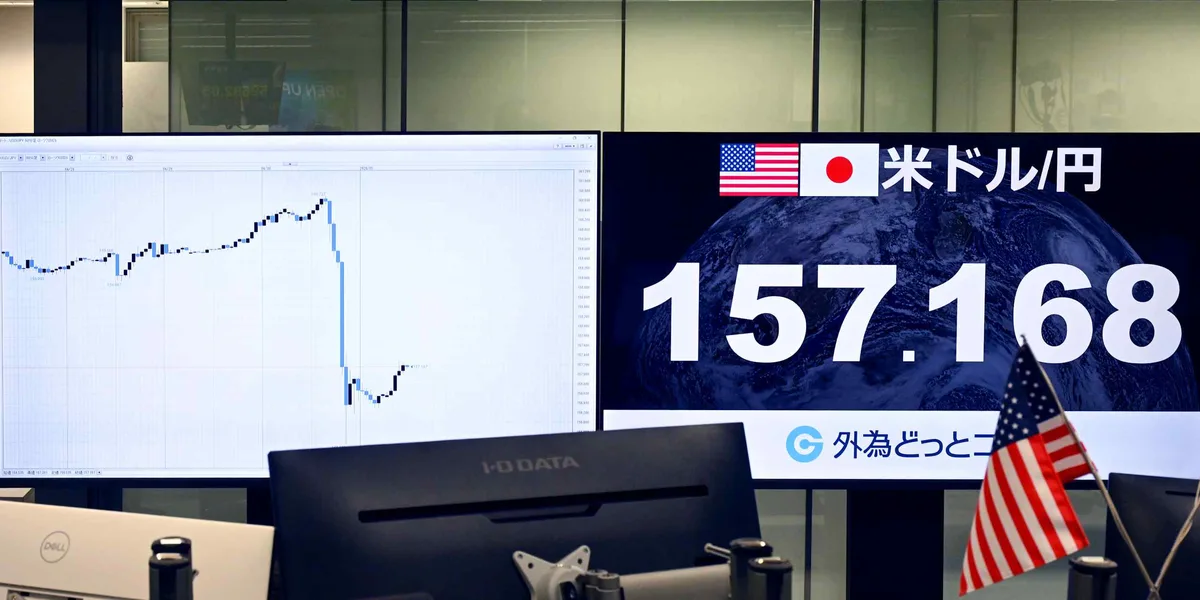
The Bank of Japan carried out a yen-buying intervention valued at around 5 trillion yen (approximately $32 billion) on Thursday, May 1, 2026, marking its first currency market intervention in nearly two years [1]. The central bank took this step to support the sharp rally of the Japanese yen against the U.S. dollar that had gained momentum leading up to the intervention [1].
On May 2, the Bank of Japan released money market data that confirmed the scale of the intervention, providing transparency on its efforts to influence the exchange rate [1]. The move reflects a rare engagement in currency markets by the Japanese authorities to counter rapid appreciation pressures on the yen.
The intervention involved direct yen purchases to ease market volatility and stabilize the currency’s value relative to the dollar [1]. It was the first such operation since the last intervention nearly two years ago, underscoring the significance of current market conditions that prompted action.
The Bank of Japan has not announced any additional interventions since May 1, and market participants are watching for potential follow-up measures depending on yen fluctuations. The next major update on the Bank’s market activity is expected from subsequent money market data releases.