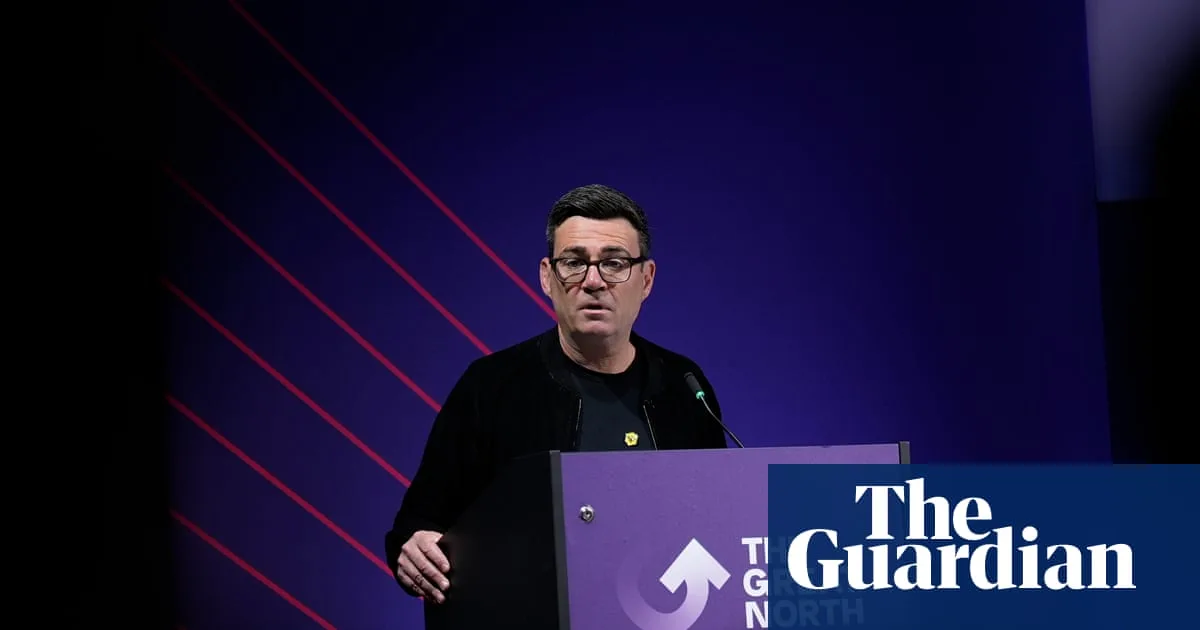
Andy Burnham, the bookmakers’ favorite to replace Keir Starmer as UK prime minister and the current mayor of Greater Manchester, has shifted to back the government's existing fiscal rules on borrowing and debt [1, 2].
Burnham’s team confirmed on May 19 that he would not alter Chancellor Rachel Reeves’ borrowing limits or exempt defence spending from those fiscal rules if he becomes prime minister [2]. Nurses, schools, and public services would continue operating under the current self-imposed constraints.
Earlier in May, Burnham indicated this change, departing from his prior criticisms of the UK's debt situation. He once said the UK was too "in hock" to bond markets but has since moderated those views. Burnham told reporters, "I have never said you can just ignore the bond markets. I said that politicians have placed Britain in hock because of the way in which we lost control of our finances and public spending" [1].
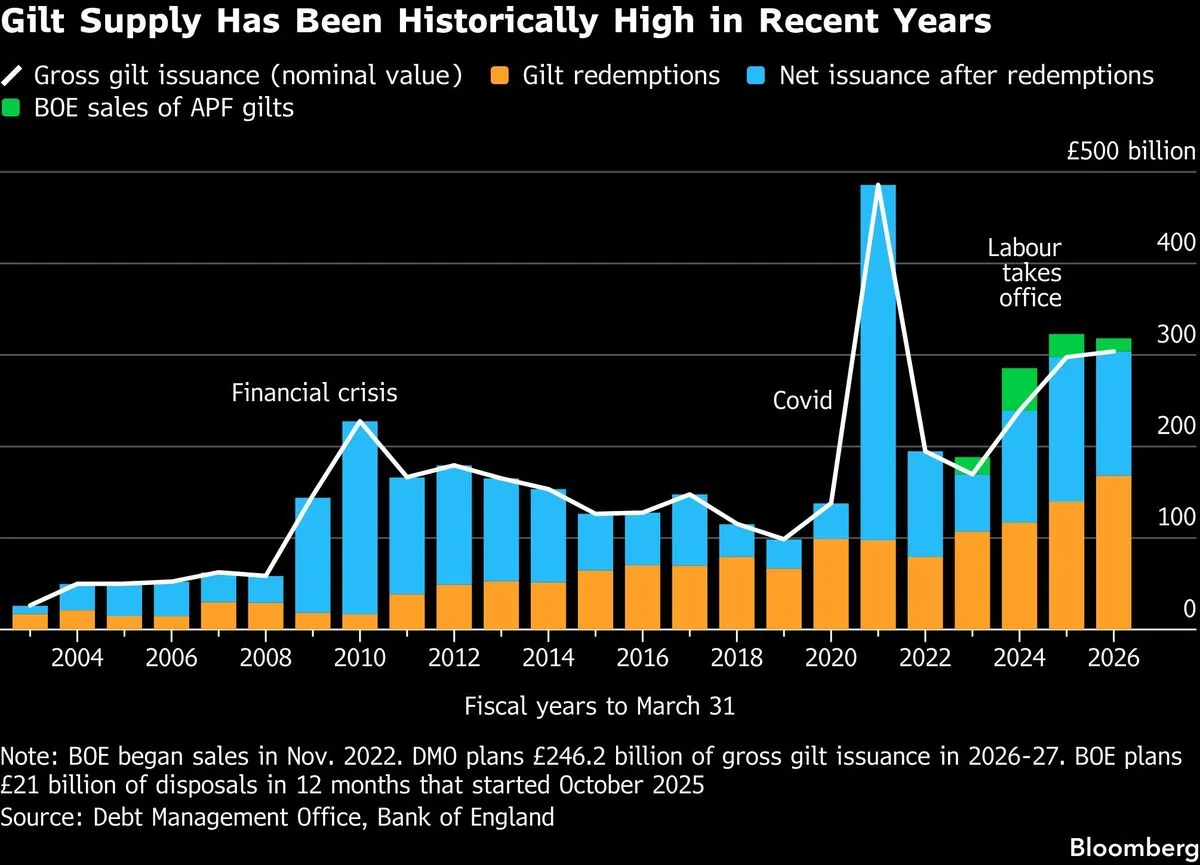
Investors have been wary amid concerns a Labour leadership change could lead to increased government borrowing. UK bond yields recently climbed to their highest since 1998 as inflation and geopolitical tensions, including the war in Iran, rattled markets [1]. The yield on 10-year UK government bonds reached 5.07% on May 19 [2]. The UK government debt market stands at around £2.9 trillion [1].
Under the current fiscal framework, the chancellor must balance day-to-day spending and tax revenues by 2029/30 and reduce the debt-to-GDP ratio by then [2]. Chancellor Rachel Reeves previously eased these rules to permit more borrowing for Labour’s investment agenda [2]. Burnham’s acceptance of these limits signals continuity on fiscal policy in Labour’s leadership contest.
Burnham’s confirmation not to change the rules came after his spokesperson explicitly ruled out exempting defence spending from borrowing limits, assuring investors and markets of stability if he leads the party [2].
The Labour leadership outcome remains pending, but Burnham’s support for the current fiscal path aims to ease investor concerns over a potential government shift. The next steps will focus on how Labour finalizes its leadership and fiscal plans ahead of the next general election.