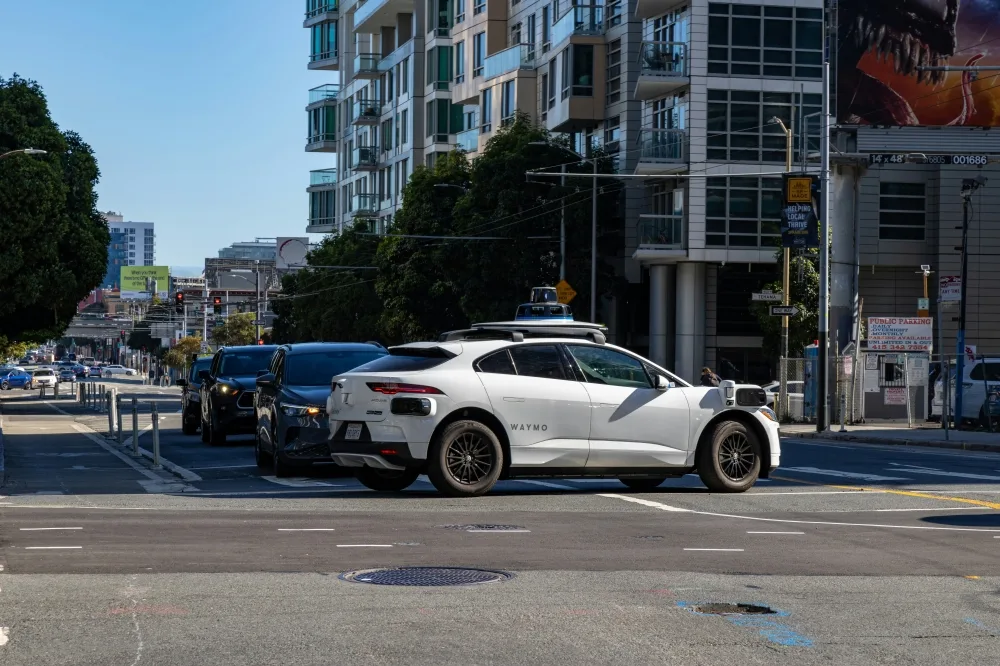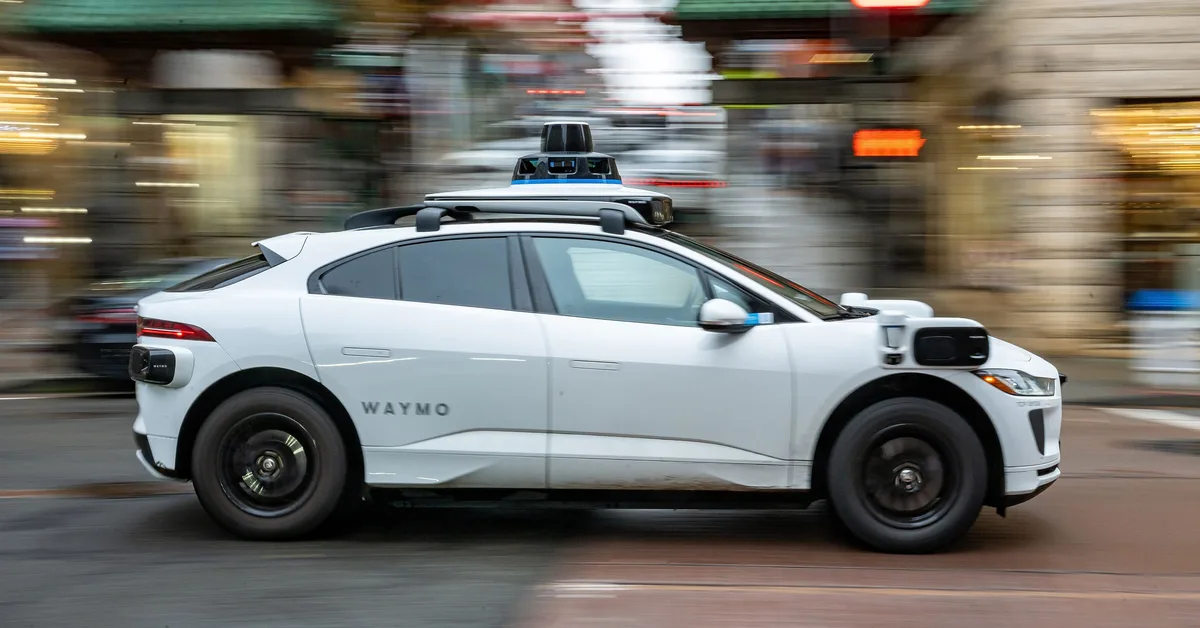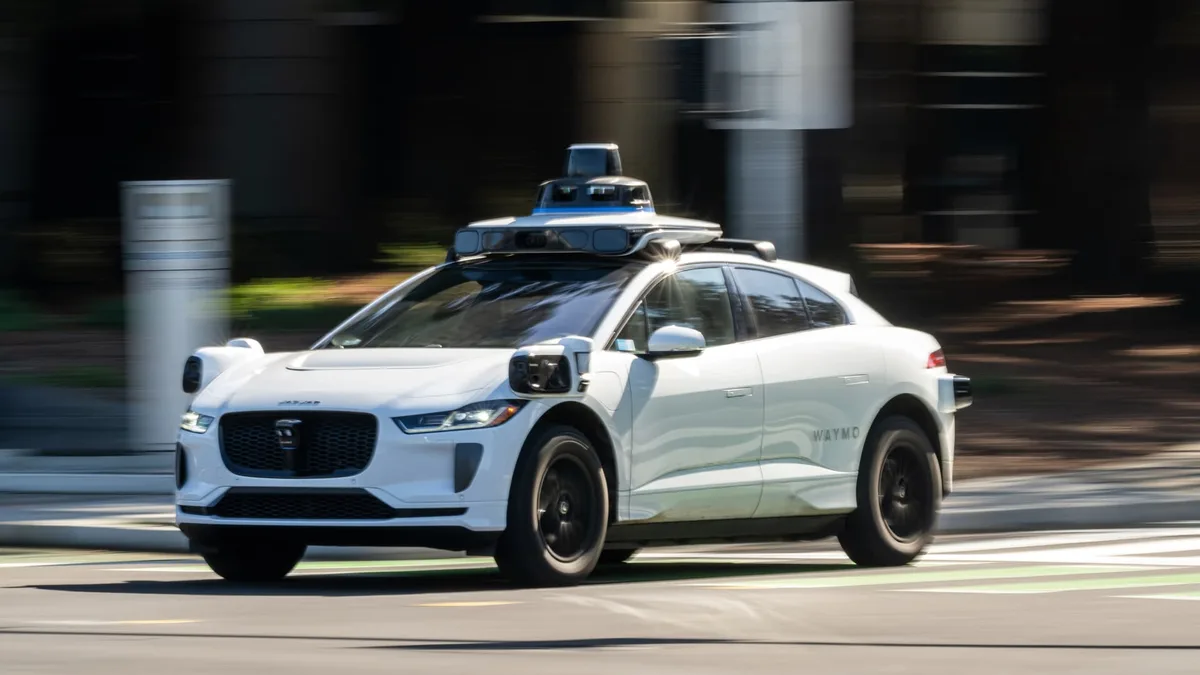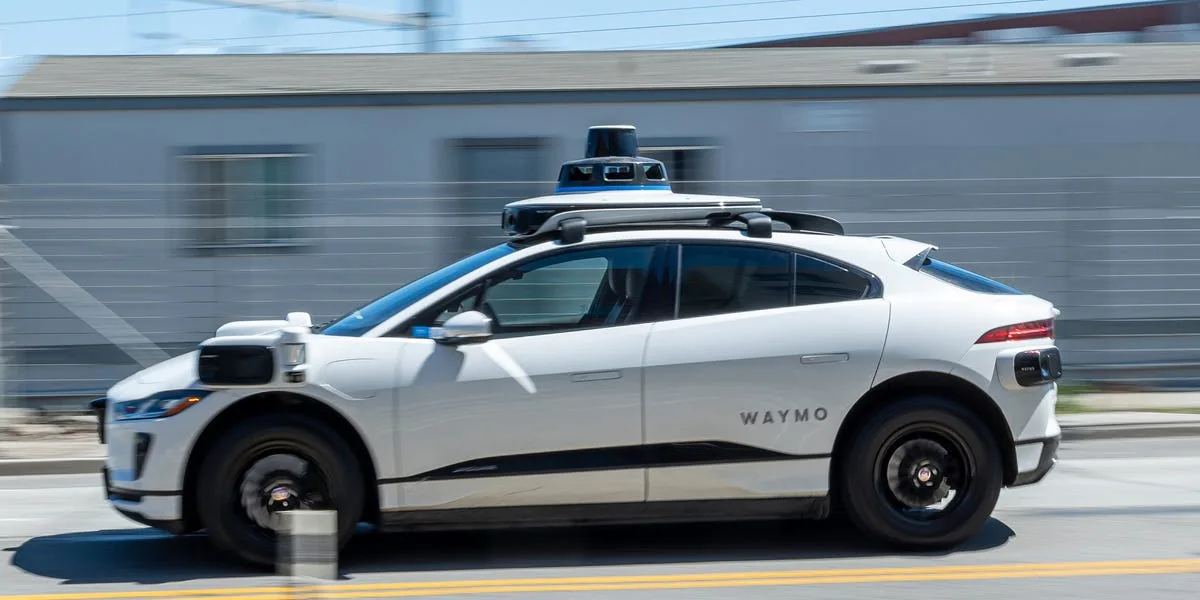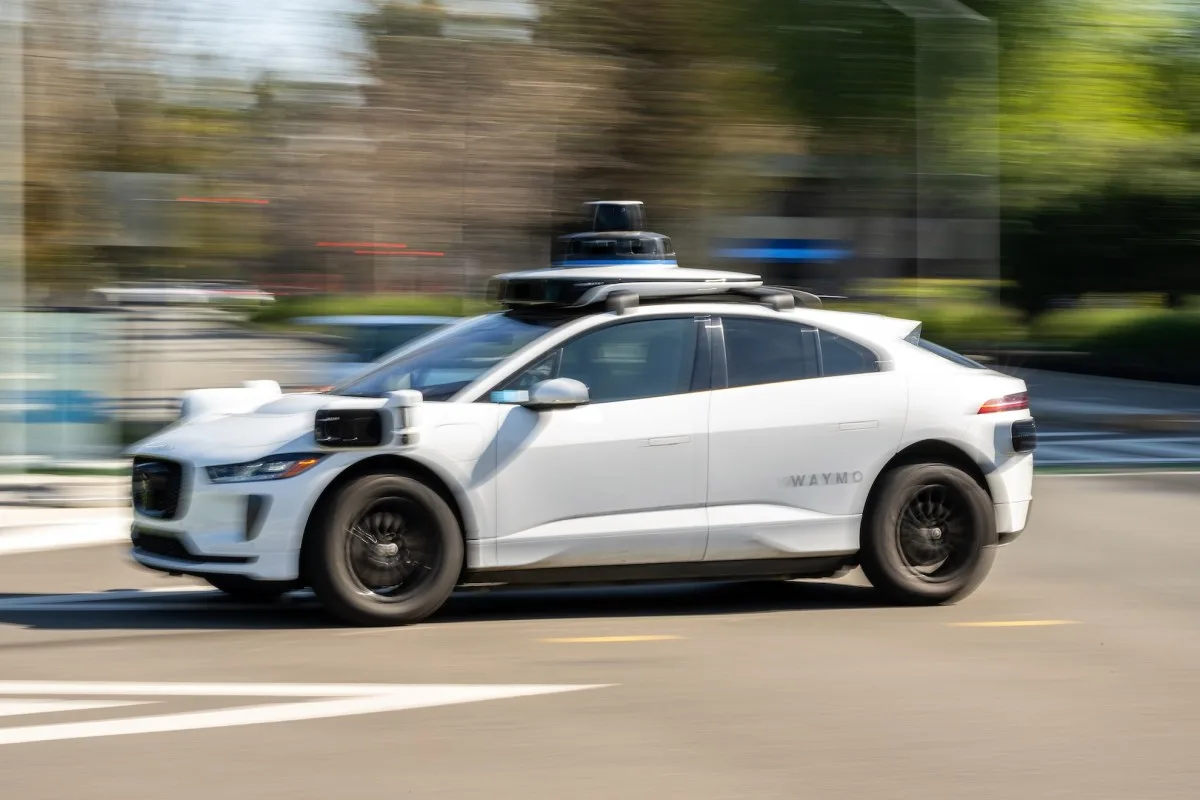
Waymo announced a recall of about 3,871 robotaxis running its fifth-generation automated driving system (ADS) in the US due to a software defect that causes the vehicles to enter closed freeway construction zones at highway speeds [1, 2, 3, 4, 5, 6]. The company identified at least 13 incidents where robotaxis entered construction zones: 6 incidents in Phoenix, Arizona in April and 7 in the San Francisco Bay Area in May [1, 2, 3, 5].
The problem originates from the ADS failing to recognize ramp closure signs and active construction zones or prioritizing other hazards, leading to unsafe freeway entries [1, 2]. No injuries or collisions have been definitively linked to these events [2, 5].
Following the incidents, Waymo restricted all robotaxi freeway operations starting May 19 while developing a software fix to detect and avoid construction zones [1, 2, 3, 5, 6]. The company continues to operate its robotaxi fleet on surface streets during this period [1, 3]. A Waymo spokesperson said, "We identified an area of improvement regarding performance around freeway construction zones. We voluntarily restricted freeway operations last month while making improvements, proactively notified state and federal regulators, and decided to file a voluntary software recall with NHTSA" [1].
The recall, Waymo's sixth robotaxi recall and second in 2026, was officially filed with the National Highway Traffic Safety Administration (NHTSA) on June 17. NHTSA confirmed that Waymo will update the ADS software free of charge to prevent robotaxis from entering construction zones [1, 4, 5, 6].
Waymo's robotaxis have driven over 170 million autonomous miles and claim a 92% reduction in serious injury crashes compared to human drivers [1, 6]. The company plans to expand its robotaxi service to more than 20 cities worldwide this year, including London and Tokyo [1, 3].