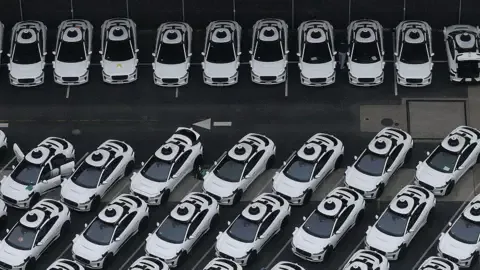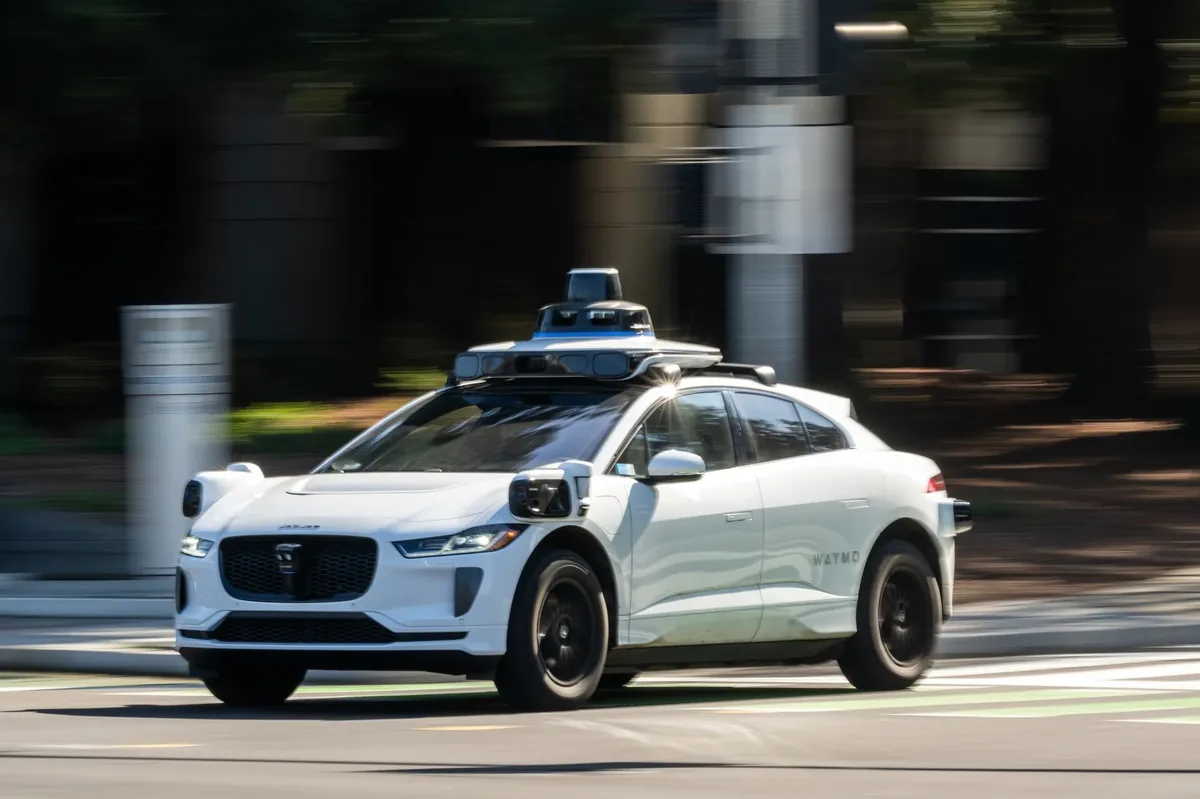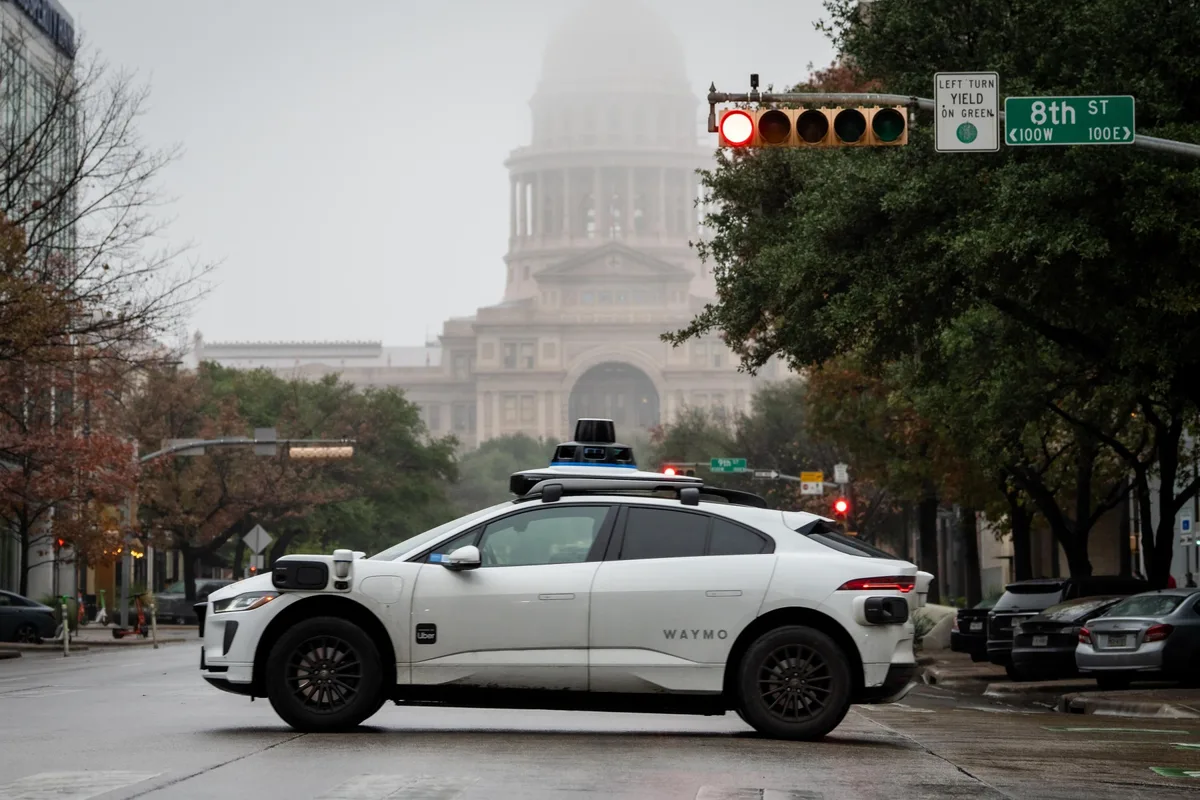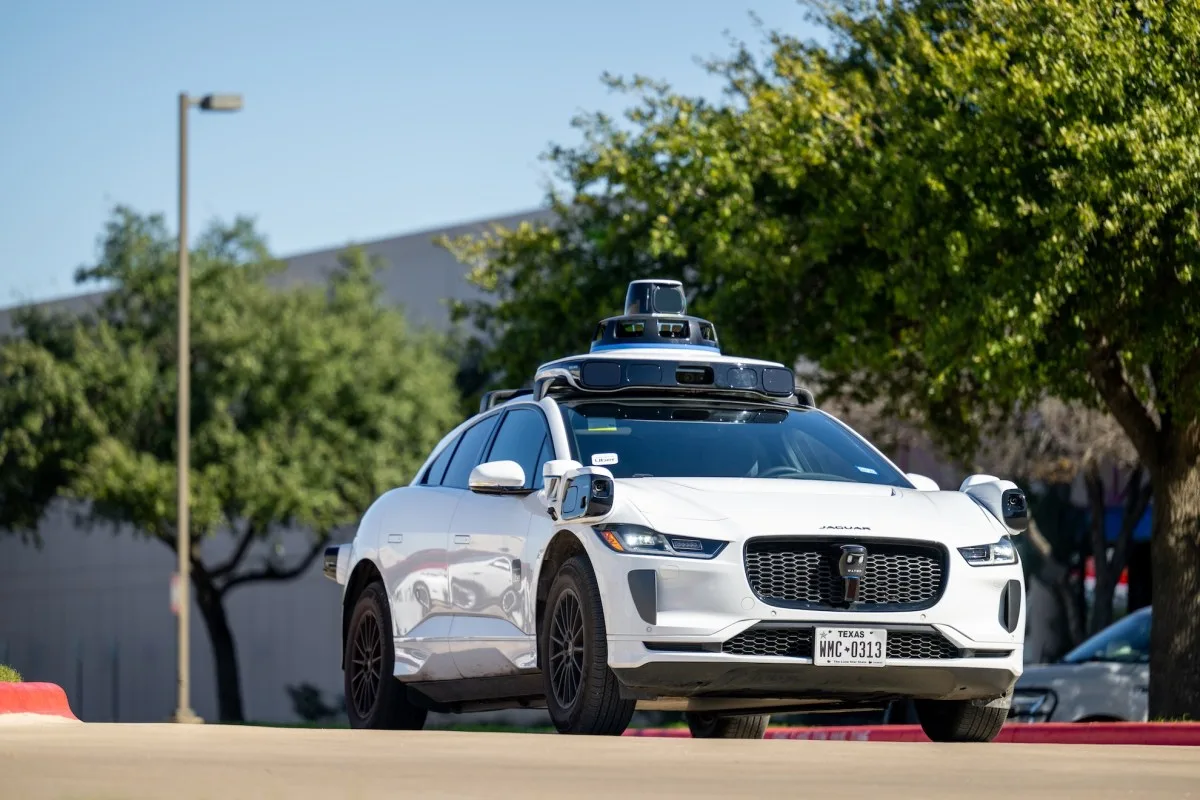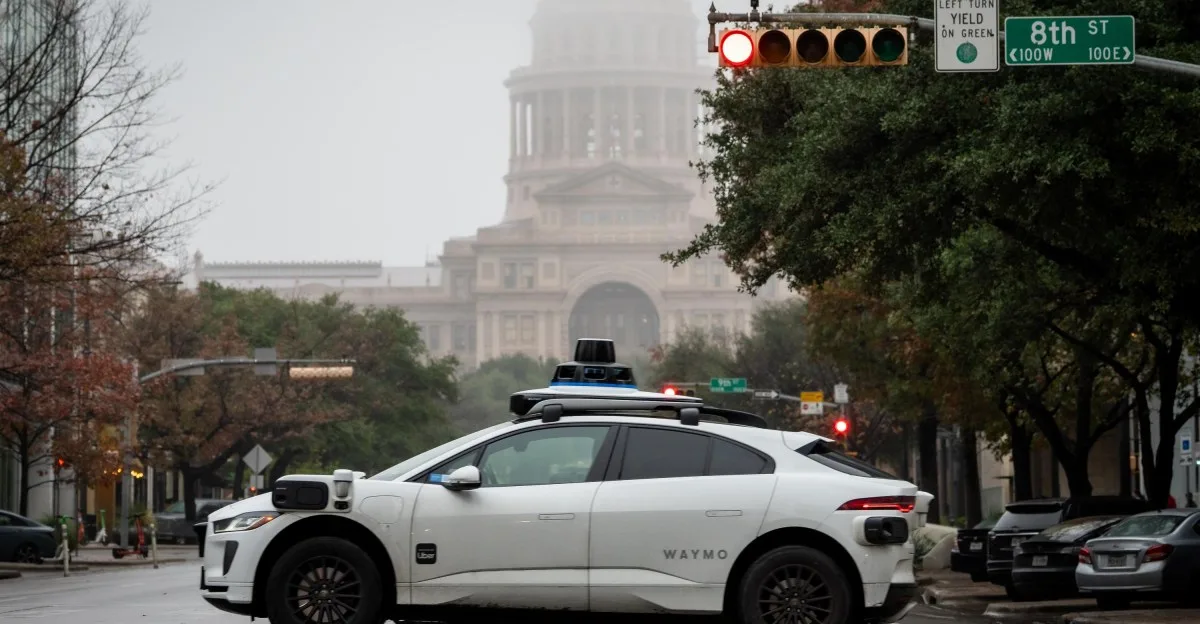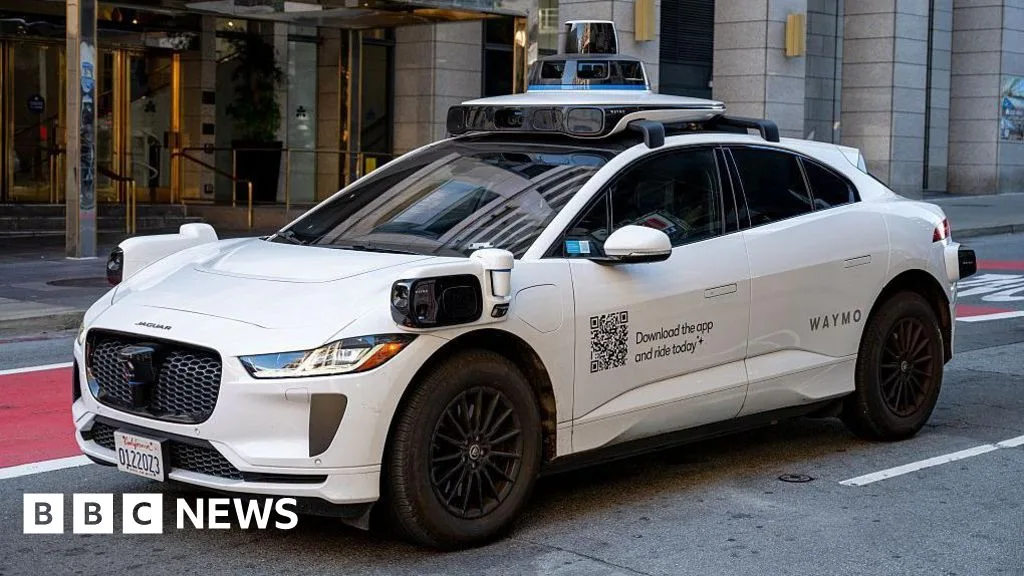
Waymo announced a voluntary recall of 3,791 robotaxis equipped with its fifth and sixth generation autonomous driving systems due to a software defect that can cause the vehicles to drive onto flooded roads instead of stopping [1, 2, 3, 4, 5, 6, 7, 8]. The recalled units operate in about a dozen U.S. cities, including San Antonio, Texas, where a recent incident occurred [1, 4, 6, 7].
On April 20, 2026, an unoccupied Waymo robotaxi drove onto a flooded road with a 40 mph speed limit in San Antonio and was swept into a creek [1, 3, 5, 7]. Following this event, Waymo temporarily suspended its service in San Antonio and is planning to resume rides after rolling out a software fix [1, 7, 8].
Waymo deployed interim software updates to restrict affected vehicles from operating in locations and times with flood risk or extreme weather conditions while working on a permanent solution [1, 2, 4, 5, 6, 7, 8]. The issue arises because the vehicles detect flooded roads but slow down and proceed instead of stopping outright, exposing limits in current programming for extreme weather [3, 4, 5, 8].
The recalled sixth generation system, recently introduced in 2026 and intended for high-volume production across multiple vehicle models, is among those affected [3]. Waymo has faced previous recalls for autonomous driving faults, including illegal school bus passing and collisions with stationary objects [3, 4].
A Waymo spokesperson said the recall aims to address untraversable flooded lanes on faster roads and that additional software safeguards are under development. "We have identified an area of improvement regarding untraversable flooded lanes specific to higher-speed roadways," the spokesperson said, adding the company is refining extreme weather operations and limiting access to flood-prone areas [4, 5, 8]. The spokesperson also noted that Waymo provides over 500,000 weekly trips in the U.S. and that safety remains their top priority [6].
Criticism came from a source close to the Trump administration, who called the testing in flood situations "real-life experimentation putting American lives at risk." The source added, "They don't know how to deal with these situations, they haven't been programmed for it, they haven't been tested for it and they're doing real life experimentation on the streets of America" [8].
Jack Stilgoe, professor at University College London, said, "We often see these limits only when something goes wrong. That isn't to say the technology won't be hugely beneficial, but policymakers would prefer to know about these things in advance rather than discovering them in hindsight" [1].
The U.S. National Highway Traffic Safety Administration publicly acknowledged the recall on May 11, 2026 [8]. News reports on the recall followed on May 12 [2, 3, 4, 5, 6, 7, 8]. Waymo plans to complete the permanent software fix before resuming full service in San Antonio.