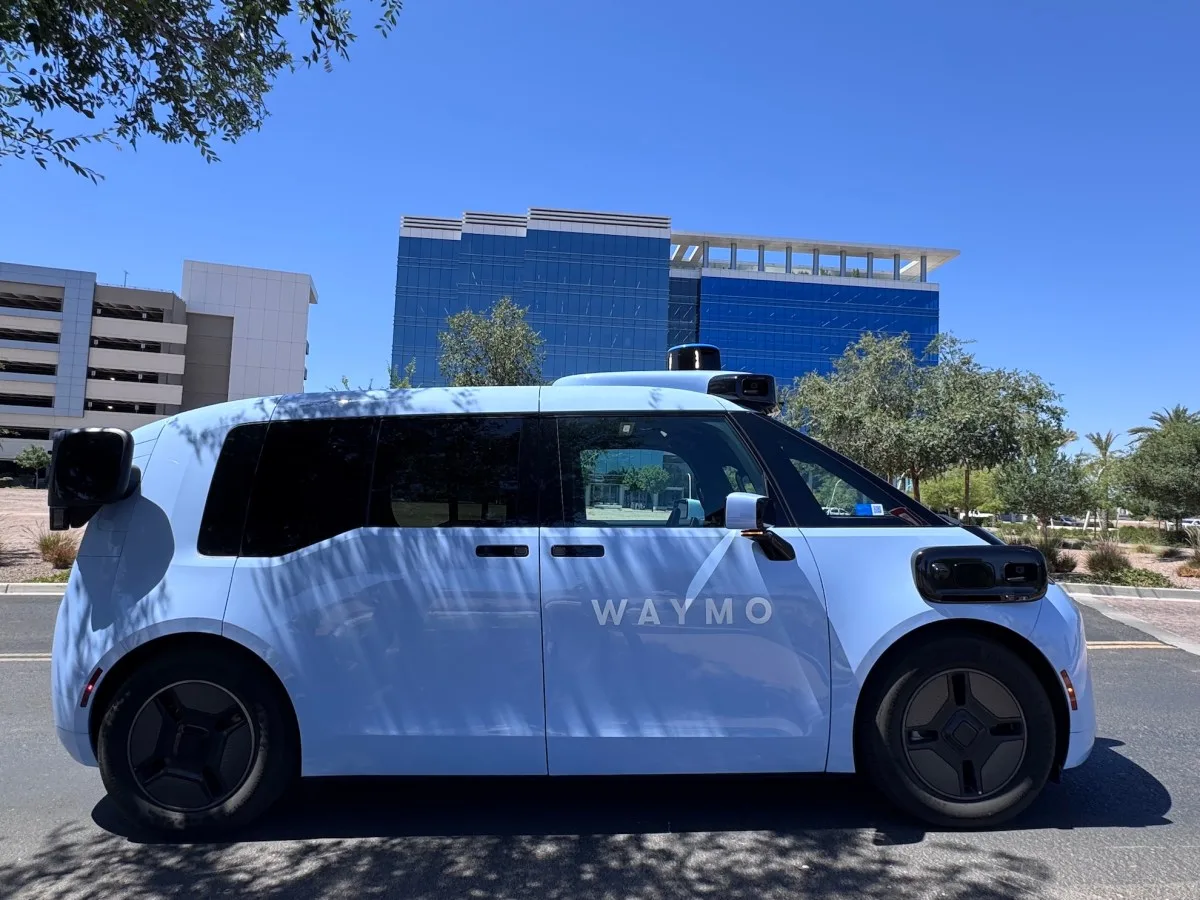
Waymo launched public rides in its new all-electric, minivan-like robotaxi called the Ojai on May 28, 2026, in Los Angeles, Phoenix, and San Francisco, offering free rides to selected users [1, 2, 3, 4]. The Ojai is the first vehicle Waymo designed specifically for autonomous driving, built by Chinese manufacturer Zeekr, a subsidiary of Geely Holdings [1, 3, 4].
The Ojai uses Waymo's sixth-generation autonomous driving system, equipped with 13 cameras, four lidar sensors, six radar units, and external audio receivers, optimizing sensor count from 29 in prior models to 13 [1, 4]. It was designed in Sweden and based on Zeekr's SEA-M electric vehicle architecture, tailored for robotaxis and logistics [1].
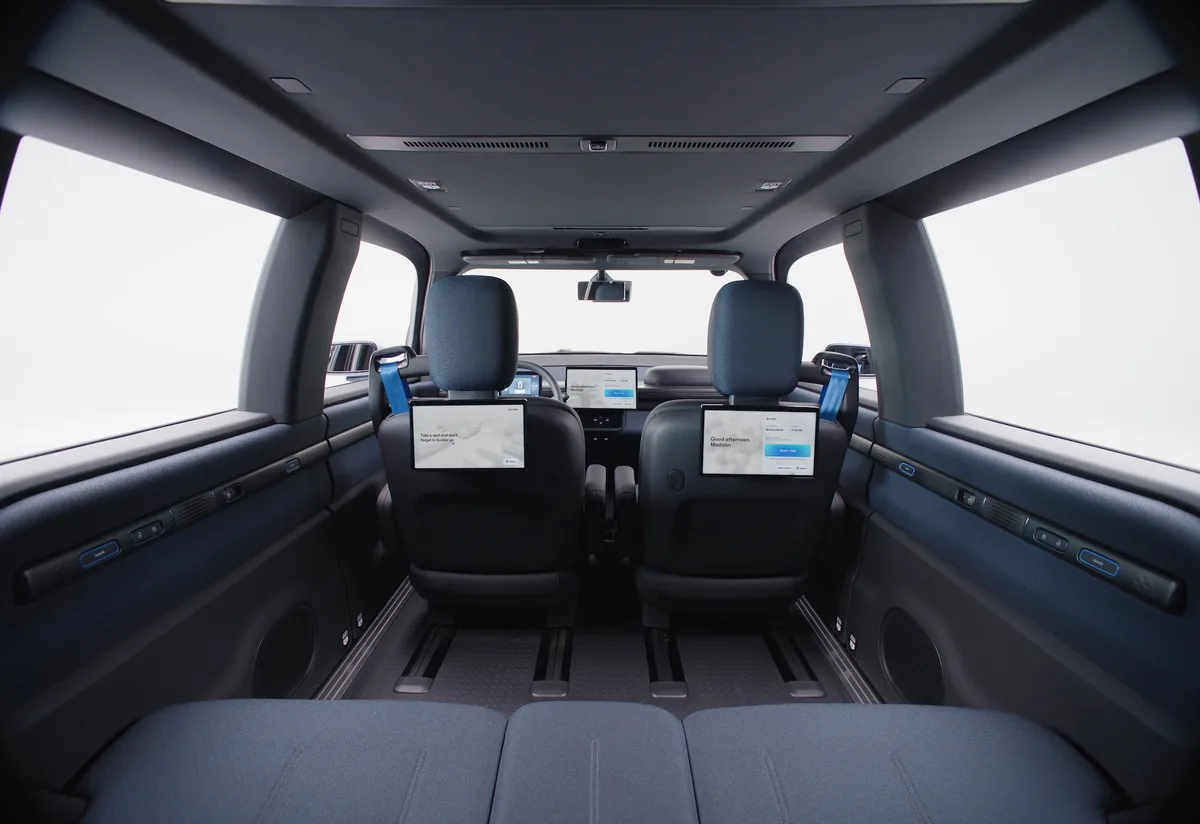
Inside, the vehicle offers more legroom and amenities like multiple screens and charging ports than previous Waymo cars, improving passenger comfort [3, 4]. The estimated cost to deploy one Ojai robotaxi on the street is under $20,000, designed to lower manufacturing and operating costs to scale Waymo's fleet [1, 2, 4].
Waymo's robotaxi service recently paused operations in several US cities to address challenges with driving in flooded and construction zones, recalling about 4,000 cars to fix these issues [1, 3, 4]. Satish Jeyachandran, Waymo's VP of Engineering, said, "The system is designed for long-term growth across multiple vehicle platforms" [3].
Since first unveiling the Ojai in 2024, Waymo has tested the vehicle on public roads, including internal rides with employees and visitors since February 2026 [1, 2, 3]. The company provides over 500,000 paid robotaxi rides weekly and operates in 11 cities with more than 20 million trips completed [1, 4].
Waymo plans to expand Ojai service to San Diego, Las Vegas, Denver, and possibly Chicago during summer 2026 [2, 4].