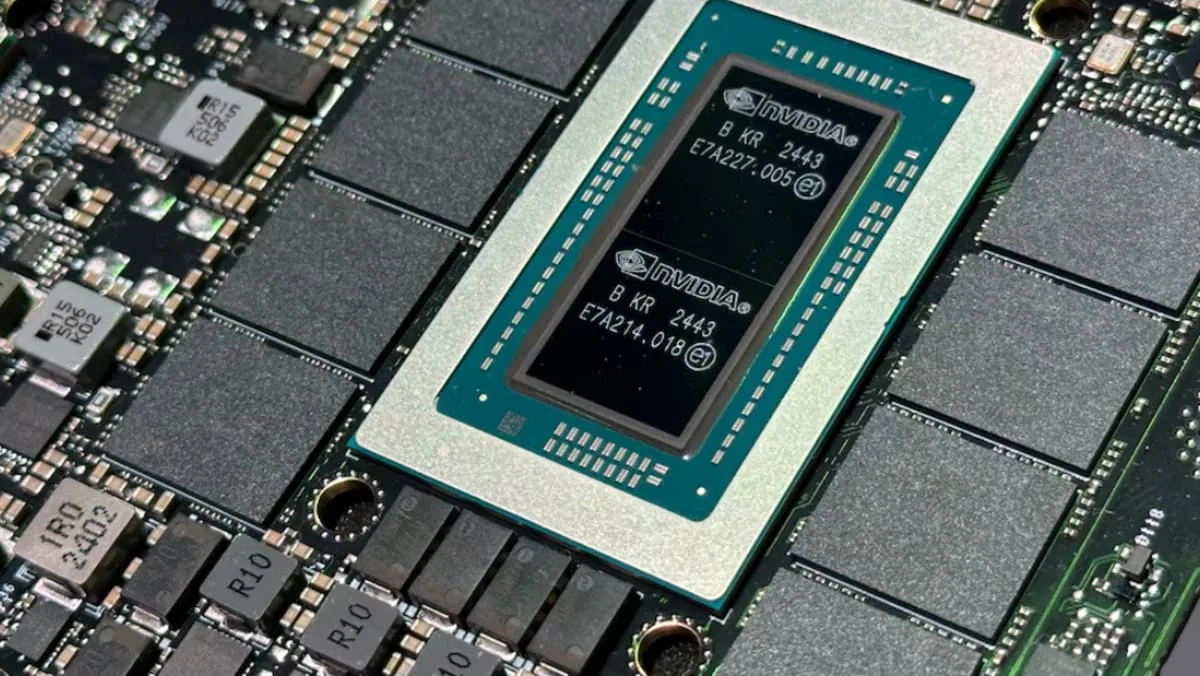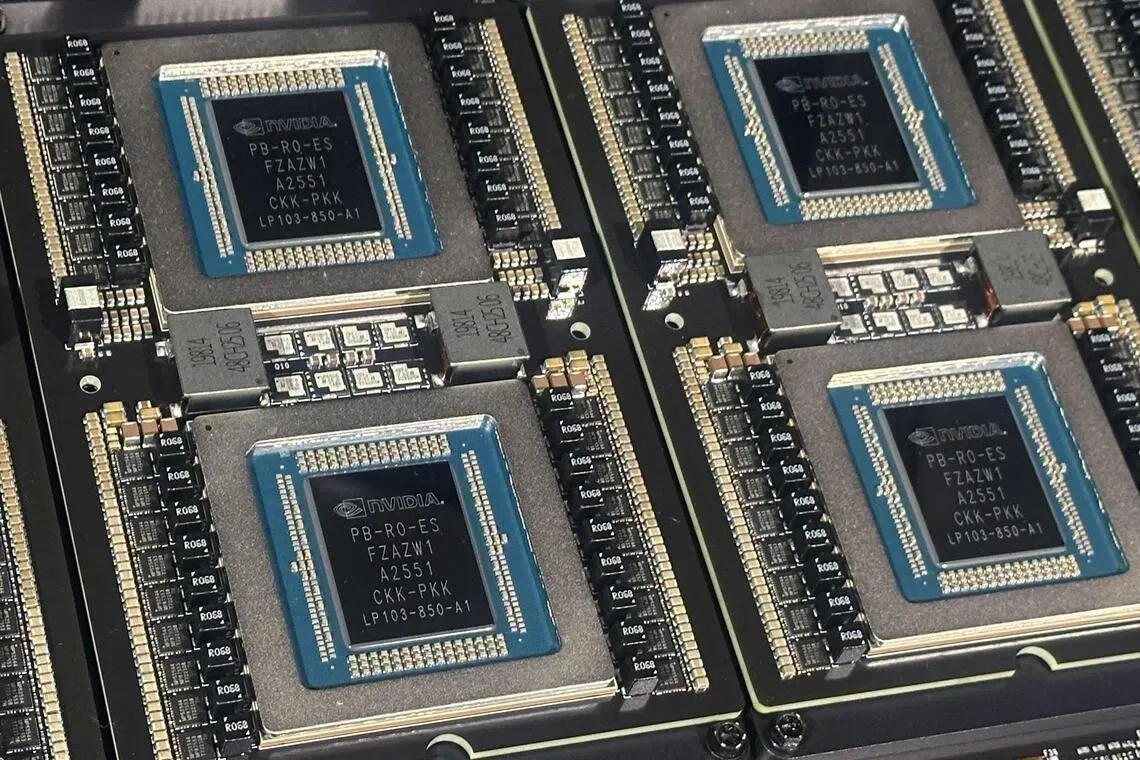
The US Commerce Department on May 31, 2026, issued new guidance closing a loophole that allowed advanced AI chips, including Nvidia's Blackwell and Rubin processors and AMD's MI350x, to be exported to subsidiaries of Chinese firms located outside China without proper export licenses [1, 2, 3, 4, 5, 6, 7].
This loophole emerged after the department in May 2025 announced it would no longer enforce the AI Diffusion Rule, which had restricted access to advanced AI chips for Chinese entities and their overseas subsidiaries, effectively creating a regulatory gap that lasted about a year [1, 2, 3, 4, 5, 6, 7].
Chip industry insiders estimate that tens of thousands to possibly hundreds of thousands of advanced AI chips have been exported through this loophole to Chinese-owned entities in countries such as Malaysia [1, 2, 8, 9, 3, 4, 10, 6, 7].
The new guidance closes the gap by requiring companies exporting these chips to apply for licenses if the recipient entity is headquartered in China, regardless of where its subsidiaries are physically located. This approach relies on "persona jurisdiction," applying export controls based on corporate headquarters rather than subsidiary location [1, 2, 9, 3, 4, 5, 6, 7].
The US Commerce Department clarified that current users or data centers with the chips do not need to stop using or maintaining them immediately [1, 2, 3, 5, 6, 7].
US Senators Elizabeth Warren and Andy Kim criticized the Trump administration for allowing the loophole. Warren said, "On Sunday afternoon, the Trump Administration revealed that its failure to update export control regulations over the last year and a half may have inadvertently allowed America’s most advanced AI chips to flow to companies headquartered in China, potentially fuelling China’s military capabilities" [11]. Both senators called on Commerce Secretary Howard Lutnick to testify before Congress on the national security risks posed by these exports [11, 12].
Former government official and technology expert Chris McGuire described the issue on social media as "a huge problem," noting that Chinese companies have likely purchased Nvidia Blackwell chips in large volumes through subsidiaries without export licenses [1, 2, 3, 10, 6, 7].
The US Commerce Department, Nvidia, and AMD have not publicly commented on the new guidance since its release [2, 8, 3, 4, 6].
Meanwhile, Taiwan is investigating suspected illegal smuggling of Nvidia AI chips into China [7].
The initial export restrictions on advanced AI chips were implemented by the US Commerce Department in November 2023, followed by the May 2025 announcement that suspended enforcement of the AI Diffusion Rule, creating the loophole [1, 2, 3, 4, 5, 6, 7]. The May 31 guidance restores controls based on companies' Chinese headquarters regardless of subsidiary location [1, 2, 3, 4, 5, 6, 7].
The next key step will be congressional hearings, as Senators Warren and Kim seek Commerce Secretary Lutnick’s testimony on the national security risks arising from the advanced AI chip exports through overseas subsidiaries [11, 12].