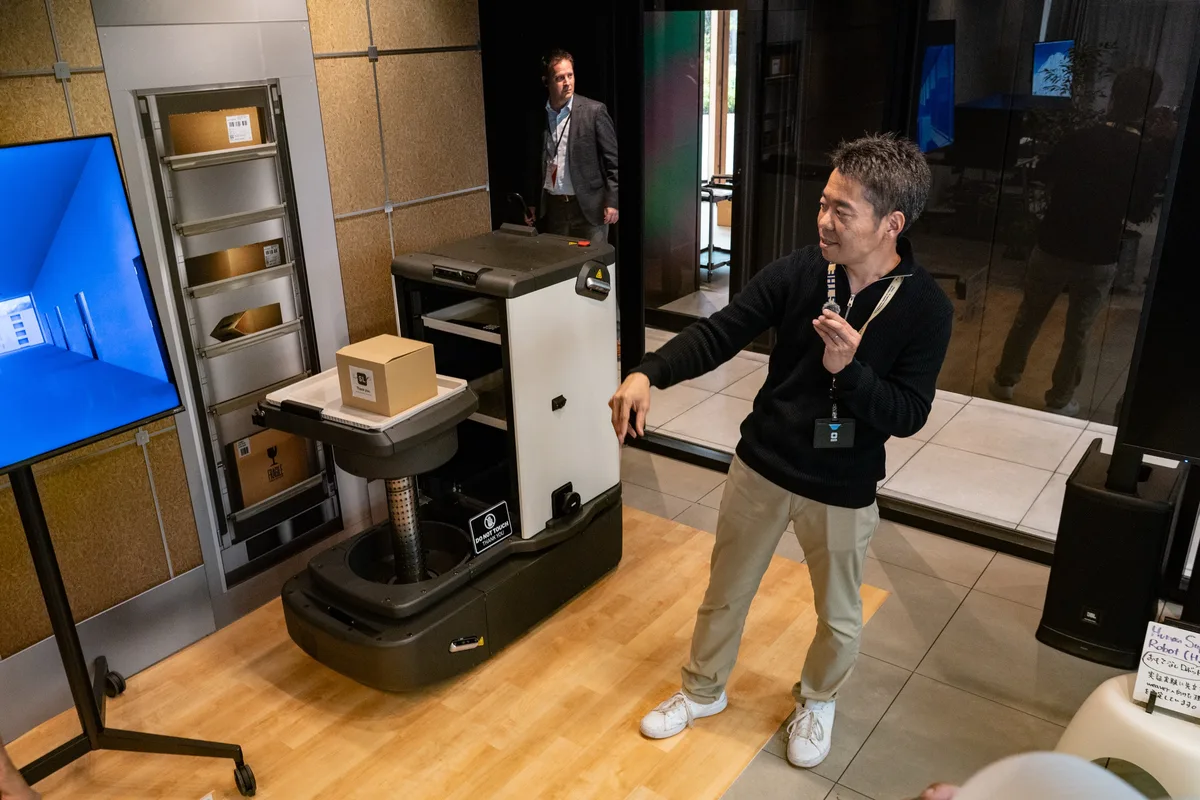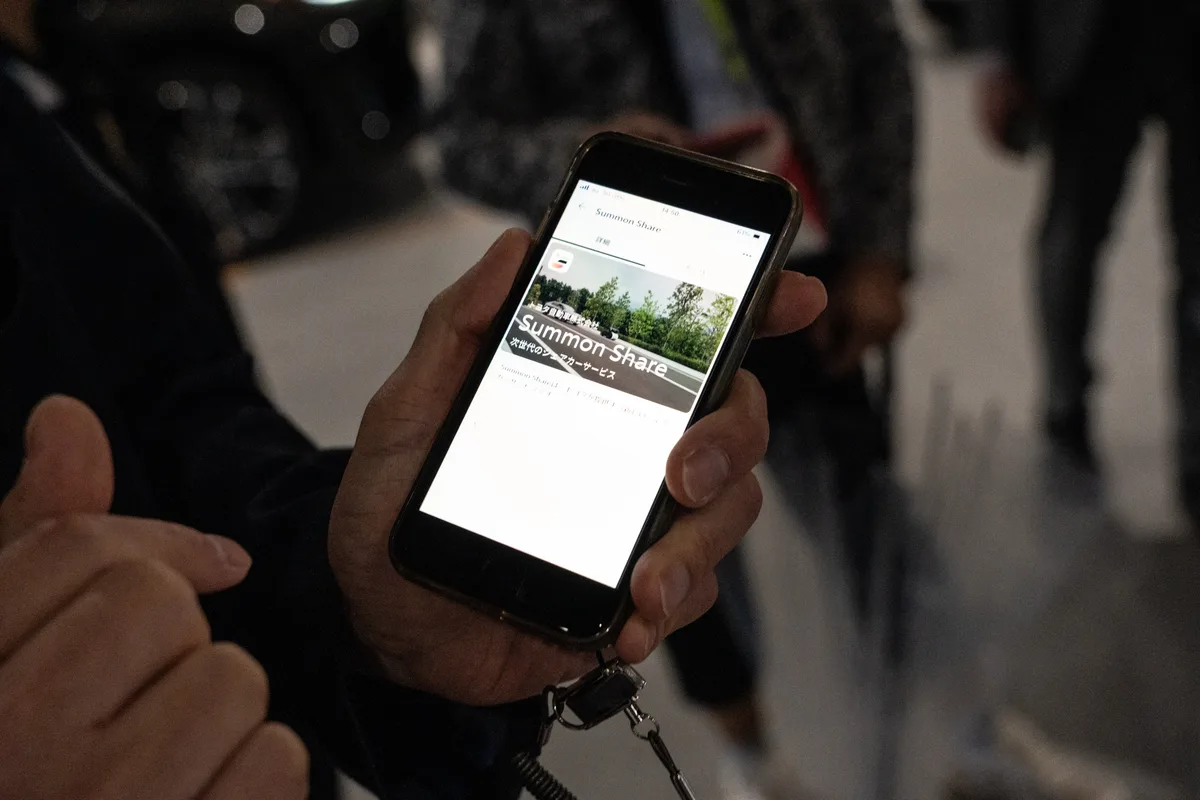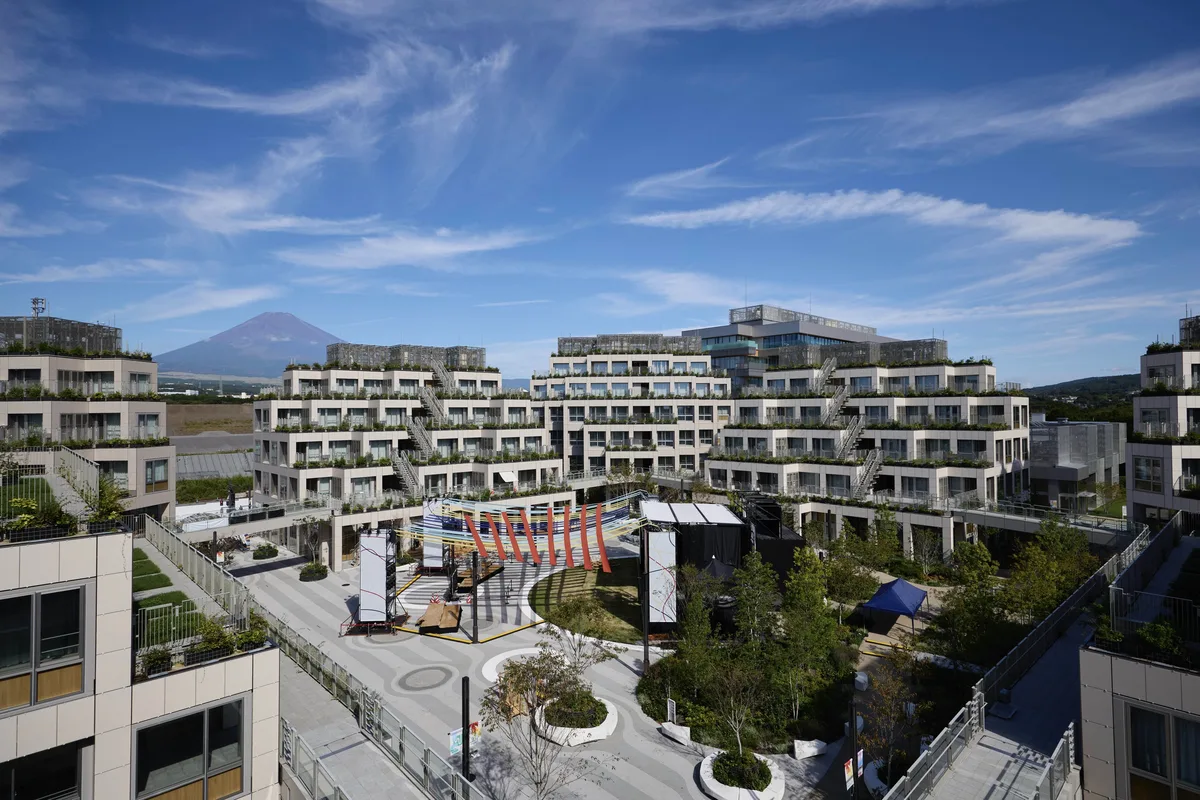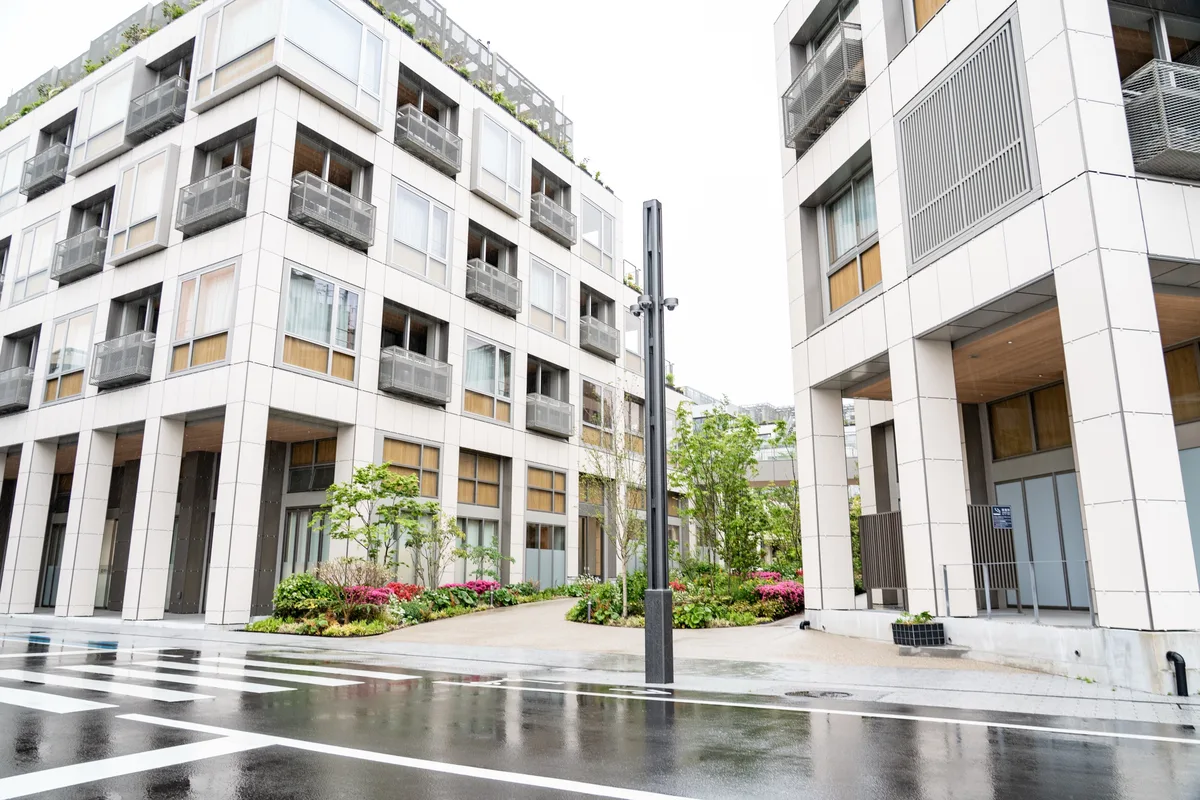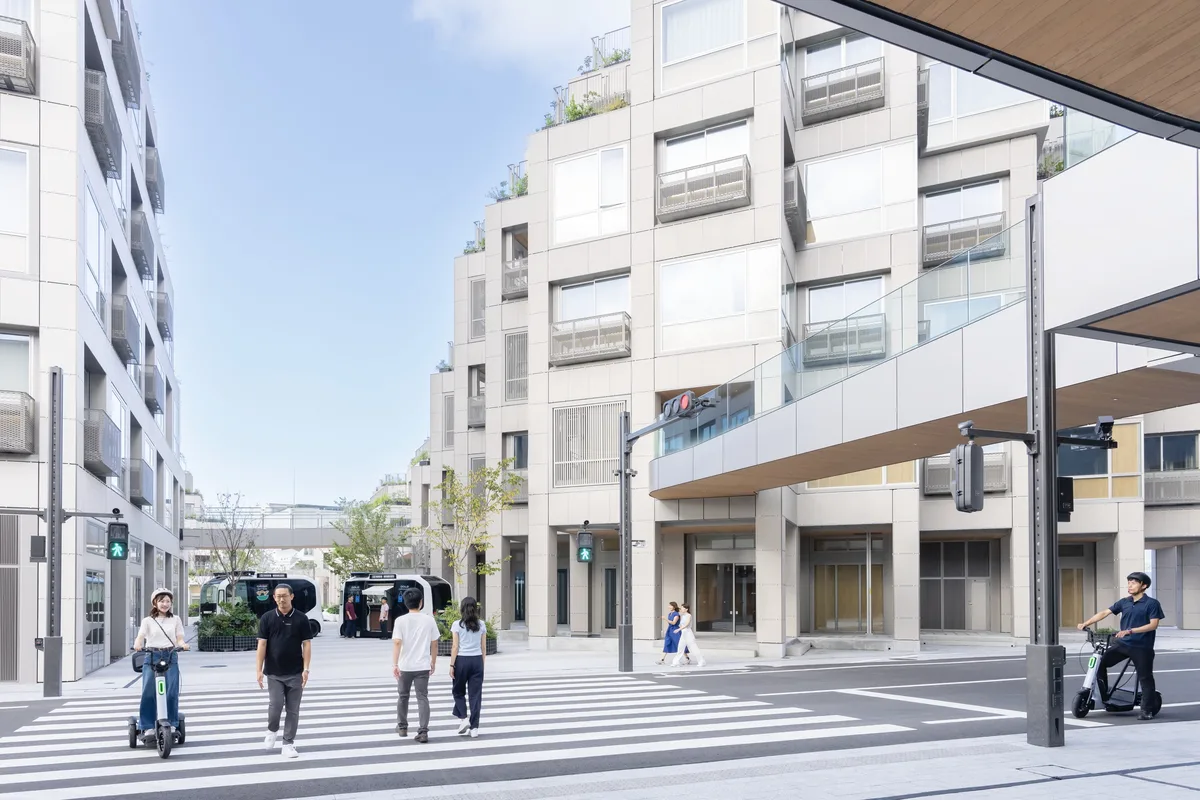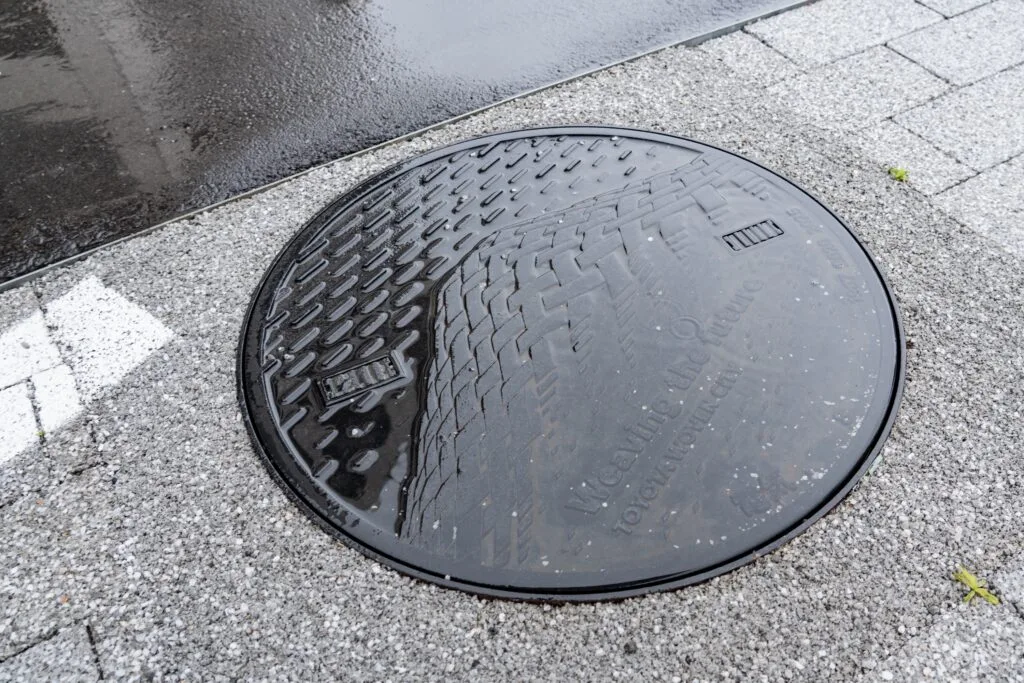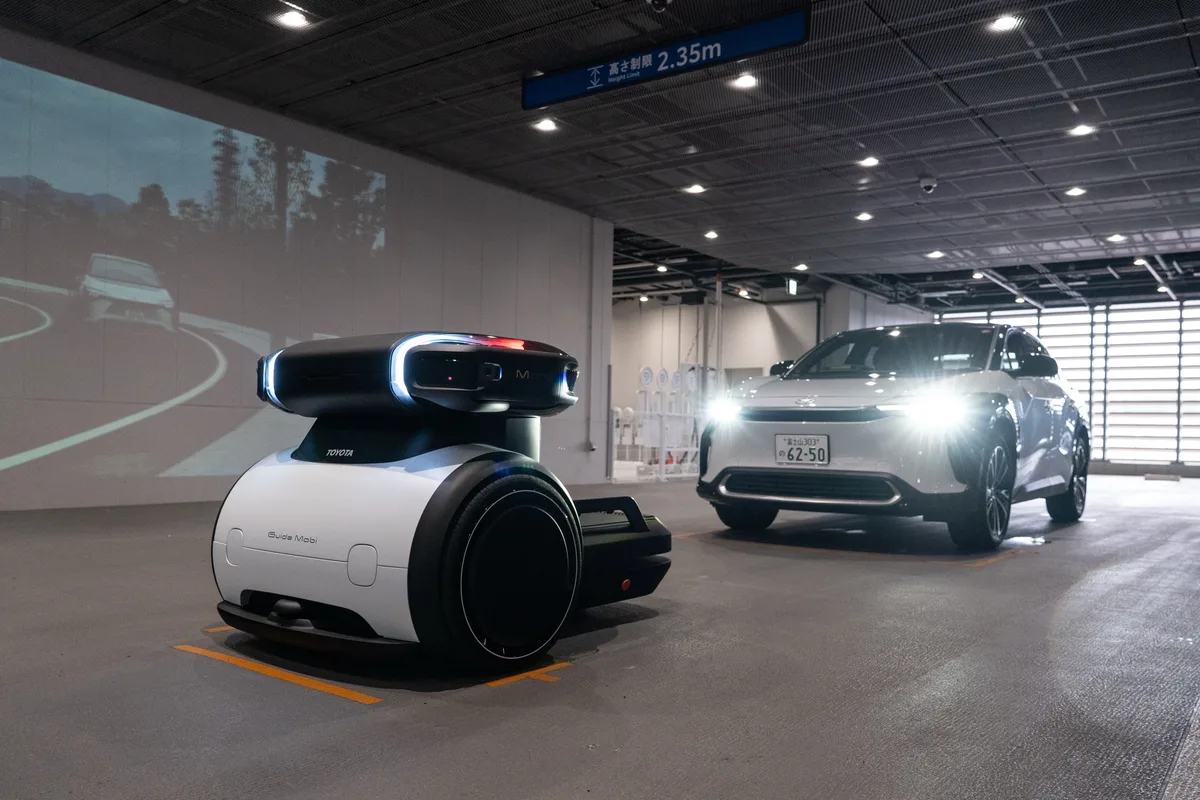
Toyota finished building Woven City, a $10 billion private urban development on the site of a former factory, around late 2025 [1]. About 100 initial residents, called "Weavers," moved in six months ago to help test the technology and sensor networks embedded across the city [1].
The purpose of Woven City is to serve as a testbed for Toyota’s connected vehicle technologies aimed at making it the world's safest carmaker. The city leverages extensive vehicle-to-everything communications, including multiple surveillance cameras on every street and indoors, to enable vehicles to detect hazards beyond their onboard sensors [1].
During a tour of the city, an Ars Technica reporter noted intersections equipped with up to eight cameras, along with many more inside buildings, providing near-ubiquitous monitoring but also raising privacy concerns [1]. John Absmeier, chief technology officer of Woven City, explained that Toyota’s autonomous vehicles require external awareness beyond onboard sensors to meet high safety standards. He said, "The only way to spot a kid darting out from behind a truck is with cameras on every street watching for hazards, paired with warning systems for oncoming traffic" [1].
Absmeier added, "Statistically, the set of autonomous vehicles out there is nowhere close to the magnitude of vehicles that Toyota has in the world," underscoring the scale of the challenge [1].
Toyota’s plans for Woven City were first announced by CEO Akio Toyoda at CES 2020 as an effort to build a city of the future with integrated technologies [1]. The initial phase is now underway with residents living in the sensor-heavy environment.
In April 2026, the city’s surveillance infrastructure was publicly observed during a media tour, highlighting the dense network of sensors and cameras aimed at improving safety through real-time hazard detection [1].
The city is expected to continue expanding its sensors and vehicle-to-everything systems as more residents move in and testing advances.