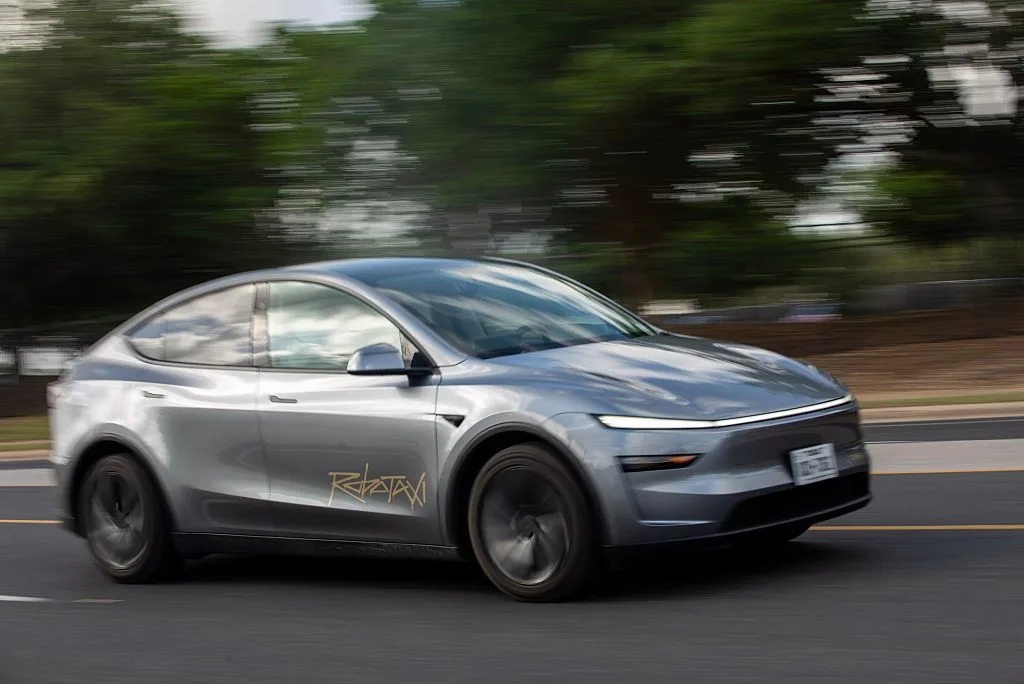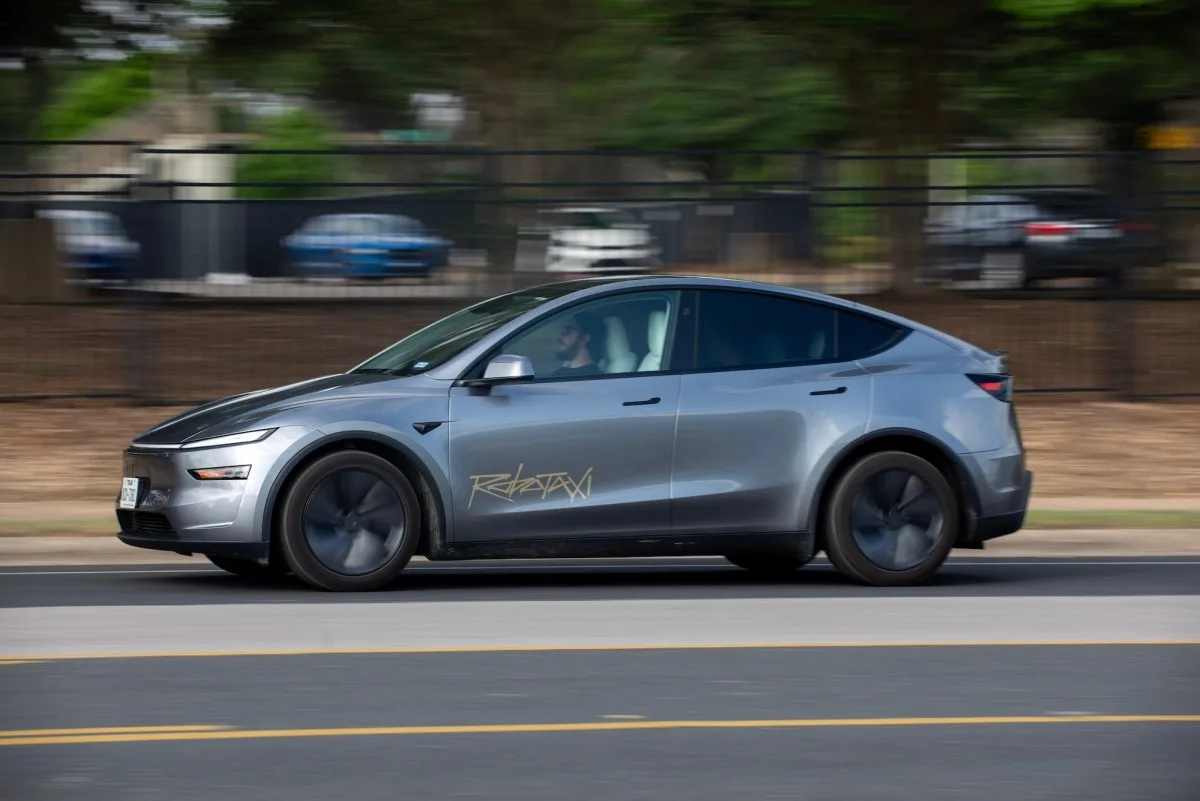
Tesla Robotaxis have crashed at least twice since July 2025 while remote teleoperators were driving the vehicles, the company confirmed in reports released in May 2026 [1, 2, 3]. Both incidents occurred in Austin, Texas, at low speeds below 10 mph, with safety monitors present behind the wheel and no passengers onboard [1, 2, 3].
The first crash took place in July 2025 when a teleoperator controlled a Tesla Robotaxi that had stopped and could no longer move forward. The remote driver inadvertently drove the vehicle up a curb and into a metal fence at about 8 mph, causing minor injuries to the safety monitor who was not hospitalized [1, 2, 3]. In the second crash in January 2026, a teleoperator drove a Robotaxi into a temporary construction barricade at roughly 9 mph, resulting in damage to the front-left fender and tire [1, 2, 3].
Since launching its Robotaxi service in Austin in June 2025, Tesla has allowed remote teleoperators to take full control of vehicles at speeds under 10 mph, a practice differing from other companies that mostly use advisory controls rather than full driving authority [1, 2, 3]. Tesla explained that "this capability enables Tesla to promptly move a vehicle that may be in a compromising position, thereby mitigating the need to wait for a first responder or Tesla field representative to manually recover the vehicle" [1].
Tesla has reported a total of 17 Robotaxi crashes since 2025, though not all involved teleoperators. Some incidents involved collisions with side mirrors of other cars or a dog crossing the street [1, 2, 3]. The company has also faced operational challenges such as long wait times and occasional drop-offs far from requested destinations [3].
Tesla initially submitted crash data to the National Highway Traffic Safety Administration (NHTSA) with redacted narratives but released detailed reports including the teleoperator crash accounts in May 2026 [1, 3].