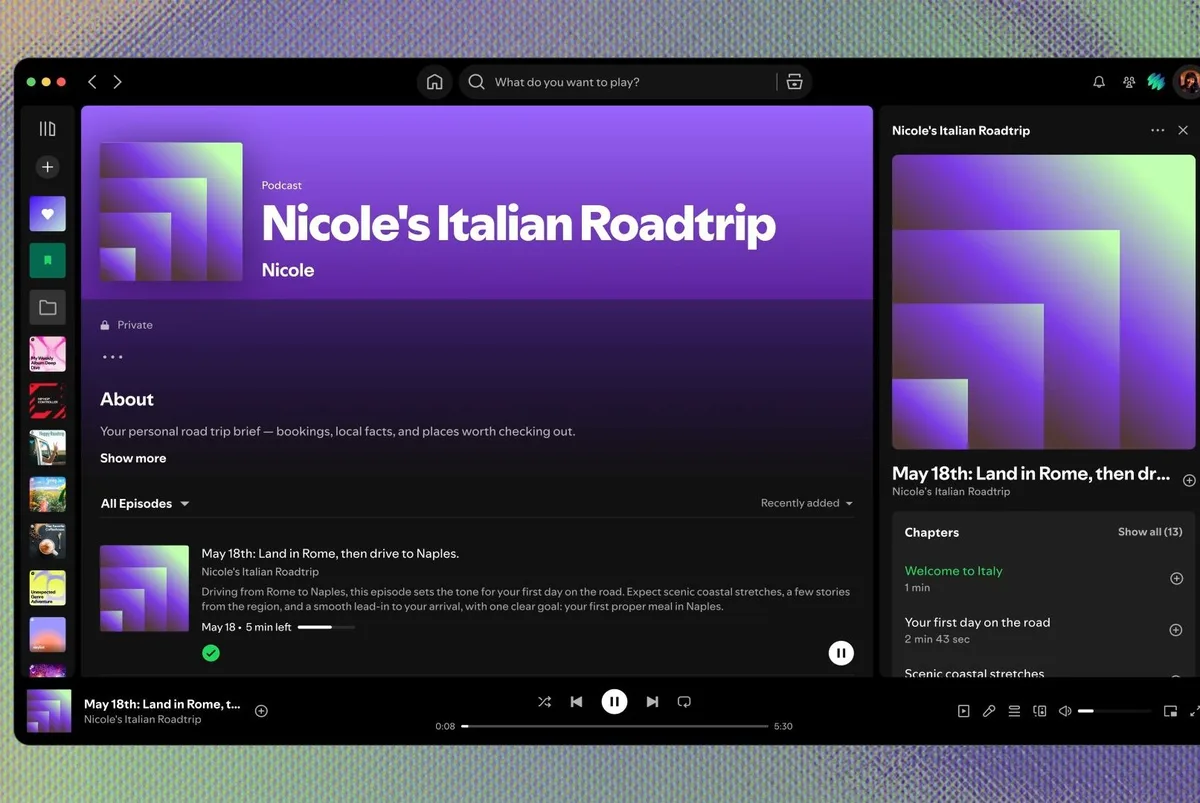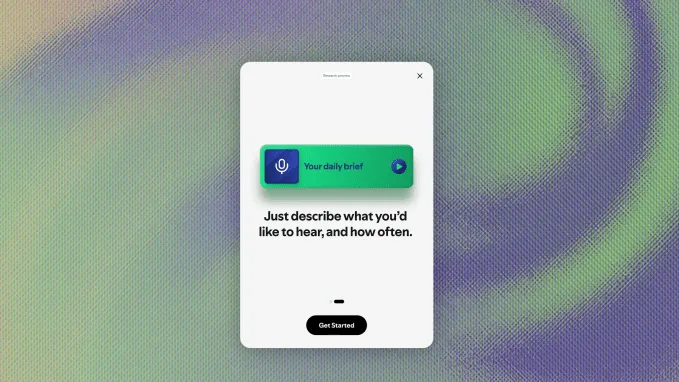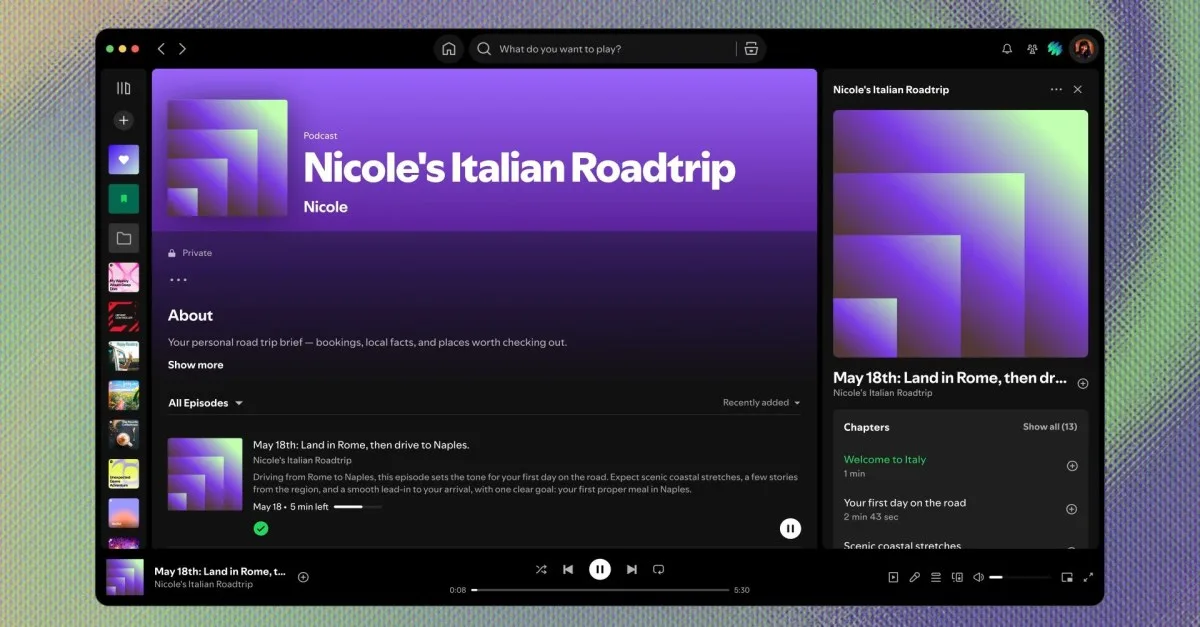
Spotify introduced a personal podcast feature that lets users create AI-generated podcasts based on their ideas or prompts and save them to their library. Users can schedule these podcasts as daily or weekly briefs or produce one-off episodes to explore specific topics [1, 2, 3].
Alongside this, Spotify launched a standalone desktop app called Studio by Spotify Labs. The app connects to users’ email, calendar, and notes to generate personalized daily audio briefings. Spotify explains, “With your permission, it can take action on your behalf: researching topics, using a web browser, organizing information, and helping complete tasks.” The app is intended for daily briefings, podcasts, and playlists, though not music, and requires users to be at least 18 years old [2, 3].
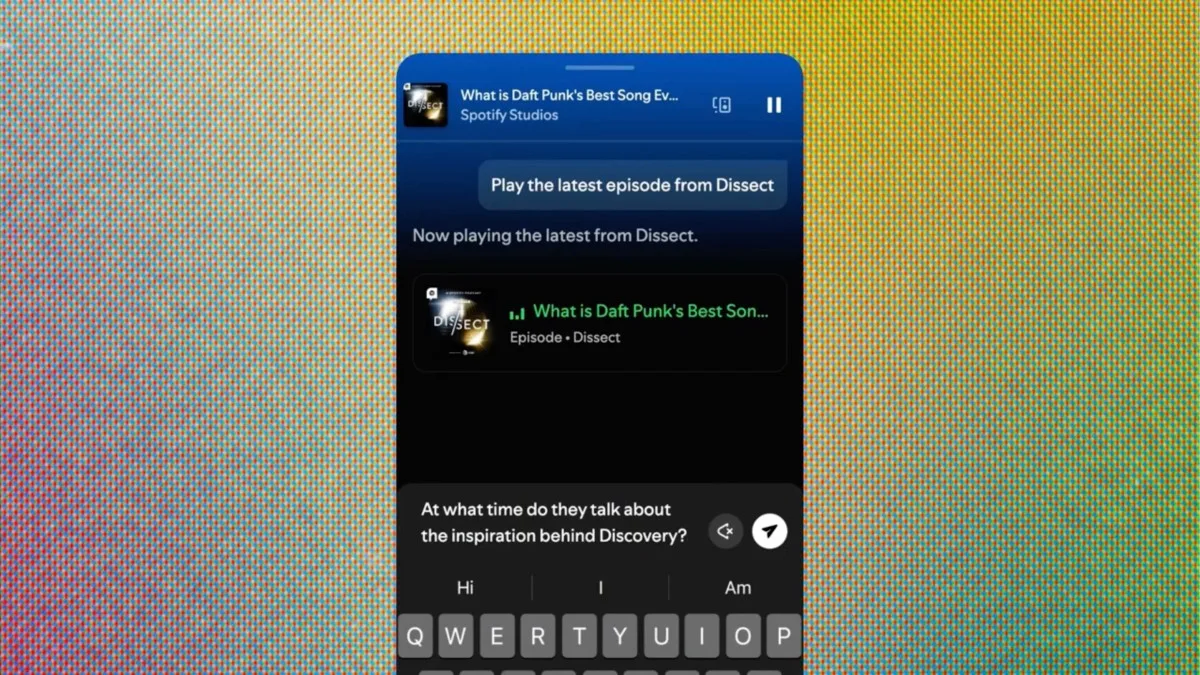
Spotify also introduced an AI-powered Q&A feature for Premium mobile users in the US, Sweden, and Ireland. This feature allows users to ask questions about podcast episodes and receive answers, enhancing interactivity with podcast content [1, 2].
In May, Spotify expanded its AI podcast creation tools for developers by adding support for Claude Code and Codex, AI platforms released earlier that month. Developers can use a GitHub-based command-line tool to generate podcasts using these technologies [1, 3].
The company partnered with AI voice firm ElevenLabs to offer AI narration for audiobooks and creator subscription tools aimed at podcast monetization [1, 3].
Spotify has seen a 50% year-on-year increase in users streaming video podcasts, signaling growing consumer demand for audio-visual content on the platform [1].
Spotify introduced the AI Q&A feature on May 21, followed by announcements in late May about the Studio app and Personal Podcasts within its main app [1, 2, 3]. The Studio app will be available soon as part of Spotify Labs' rollout [2, 3].