Snap unveiled its first consumer-targeted augmented reality glasses called Specs on June 16, 2026, with a price of $2,195 and a refundable preorder deposit of either $200 or $220 depending on the source [1, 2, 3, 4]. The glasses will ship in the fall of 2026 in the US, UK, and France [1, 2, 5].
Specs are standalone AR devices powered by dual Qualcomm Snapdragon processors, one dedicated to computer vision and the other to AR Lenses, enabling immersive augmented reality experiences without a smartphone tether [2, 5, 6, 7]. They feature a 51-degree field of view and can display 16 million colors. The lenses switch between clear and tinted in 10 seconds to adapt to lighting conditions [2, 5, 3, 8, 7].
Battery life is about four hours with mixed use on a single charge, while the included charging case extends total usage to around 20 hours [2, 5, 6, 7]. The glasses weigh 132 grams for the 47mm model and 136 grams for the 52mm version, heavier than Meta’s Ray-Ban smart glasses but lighter than Apple’s Vision Pro headset [2, 5, 4, 7].
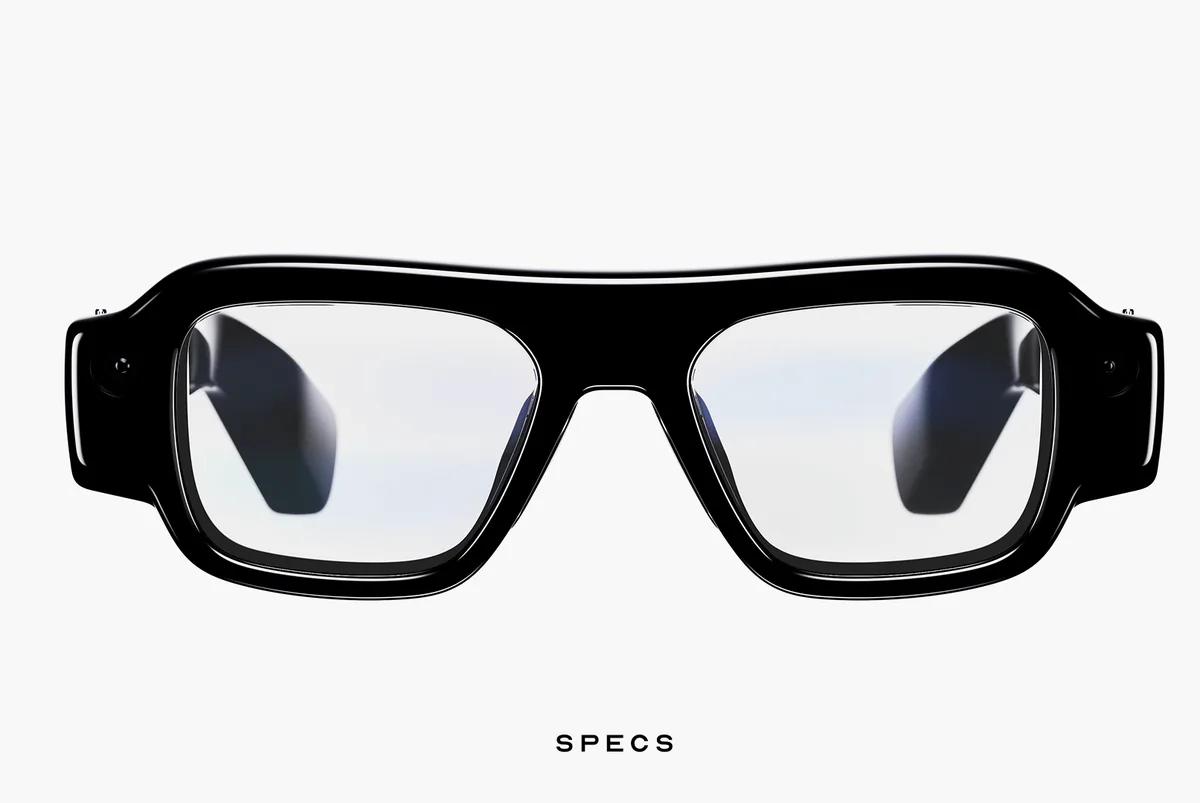
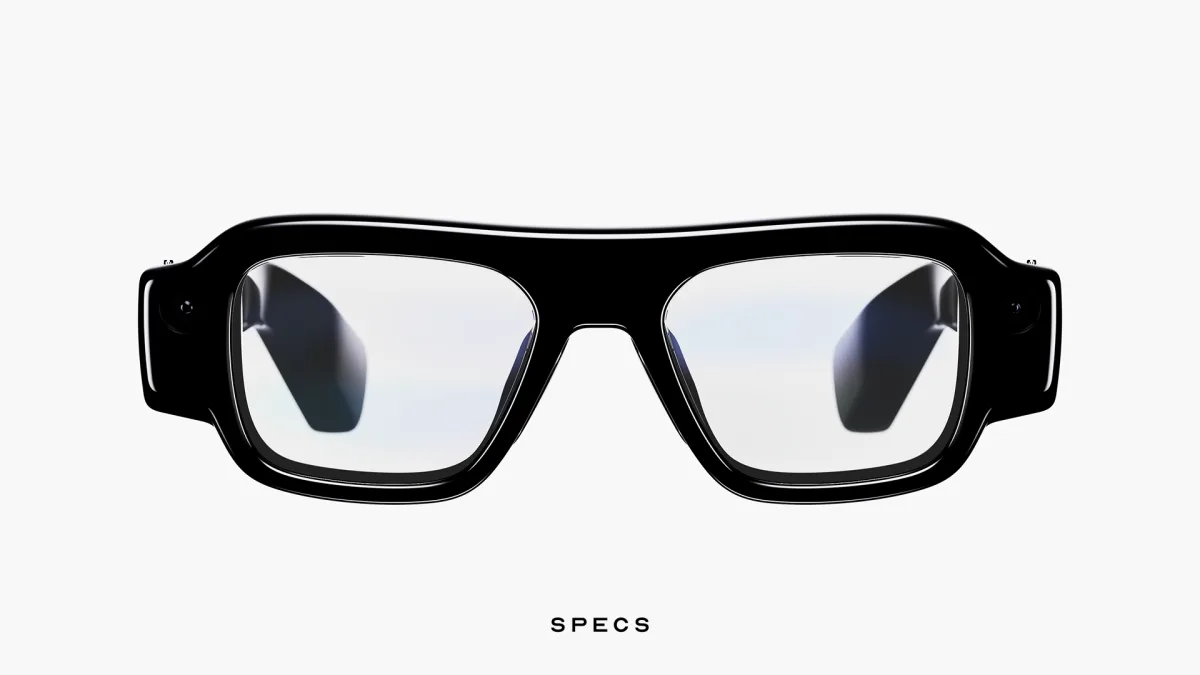
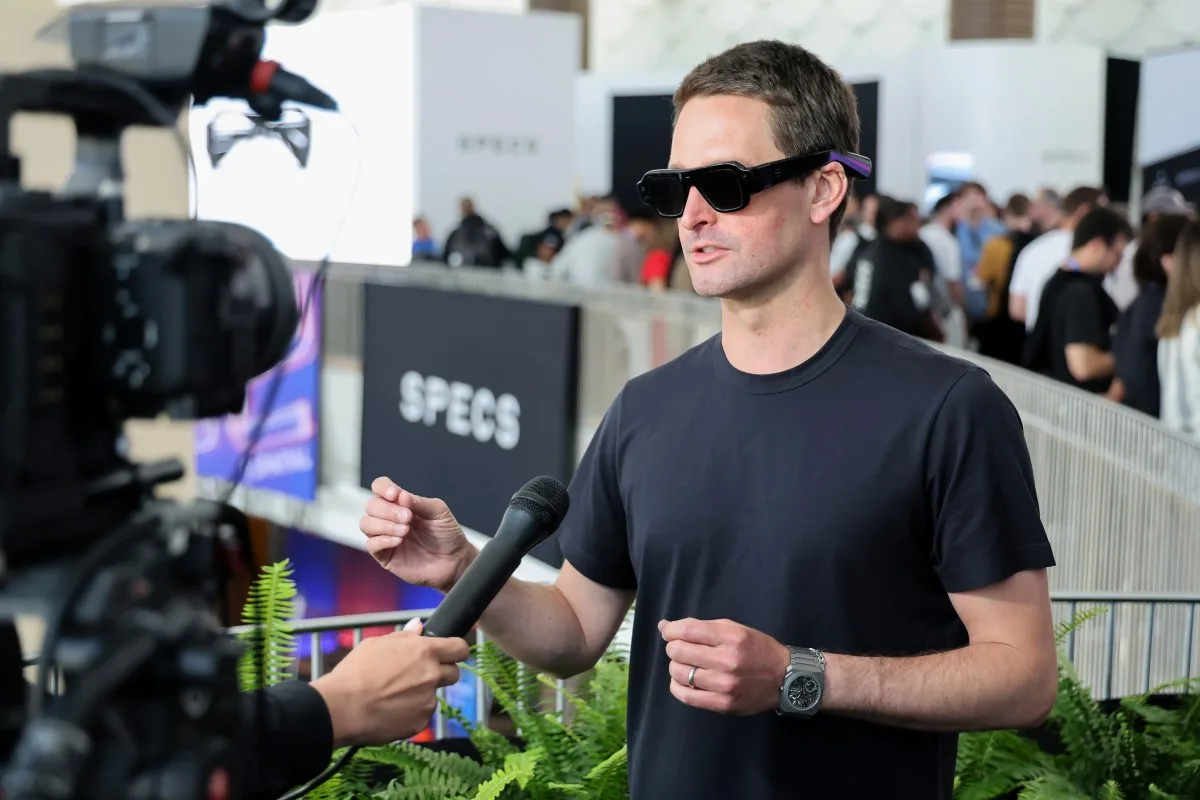
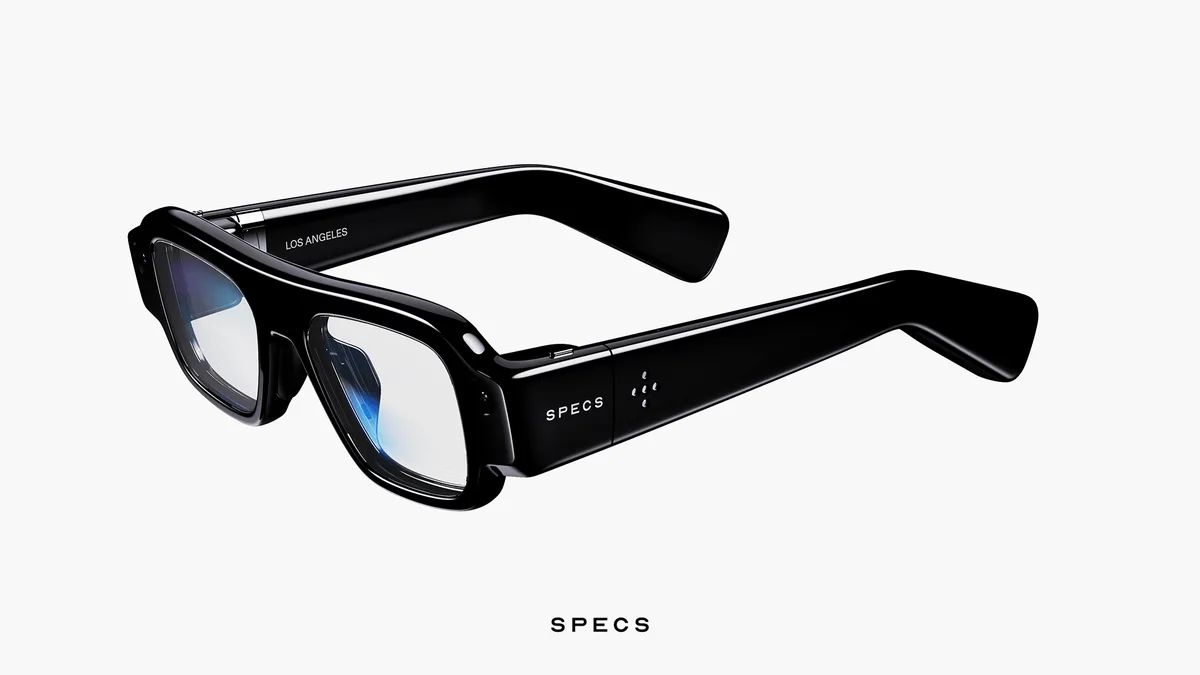
Specs have bulky frames with wide rims and thick arms, designed to stand out rather than blend in with subtle designs like Meta or Google glasses. Snap CEO Evan Spiegel said, "For us, it's less about following fashion trends and more about delivering truly standout capability" [5, 3, 6].
The glasses include features such as multiplayer games activated by eye contact called EyeConnect, contextual AI assistance, web browsing, video recording, and productivity applications [2, 5, 3, 7]. Spiegel emphasized the shared experience concept: "Specs really represents a way to use computing together in shared experiences in the real world, looking up through see-through lenses rather than at an opaque screen" [1].
Snap established a dedicated subsidiary, Specs Inc., earlier in 2026 to focus on AR glasses development, having invested over $3.5 billion in AR hardware so far [1, 9]. The company sees Specs as a bet on a future beyond smartphones despite investor pressure to cut hardware spending [1, 9, 10]. Spiegel compared Specs to other high-end computers in pricing: "The most important way to think of Specs is as a computer, and so they’re comparably priced to other high-end computers or high-end laptops" [10].
The Specs glasses face stiff competition from Meta’s Ray-Ban smart glasses, which hold 70% of the market with 3.5 million units shipped, Google’s AI-powered glasses, and Apple’s Vision Pro headset [1, 9, 11, 4]. Meta’s Ray-Bans weigh under 70 grams, considerably lighter than Specs [2, 4], while Apple’s Vision Pro weighs 26.4 to 28.2 ounces [2, 5].
After the launch and preorder announcement, Snap’s stock price dropped more than 5% on June 17 continuing a year-long decline amid concerns about the device’s high cost and profitability [10, 6].
Preorders remain open today with delivery expected to begin in fall 2026 in the US, UK, and France [1, 2, 5, 9, 12, 3, 8, 4, 7].