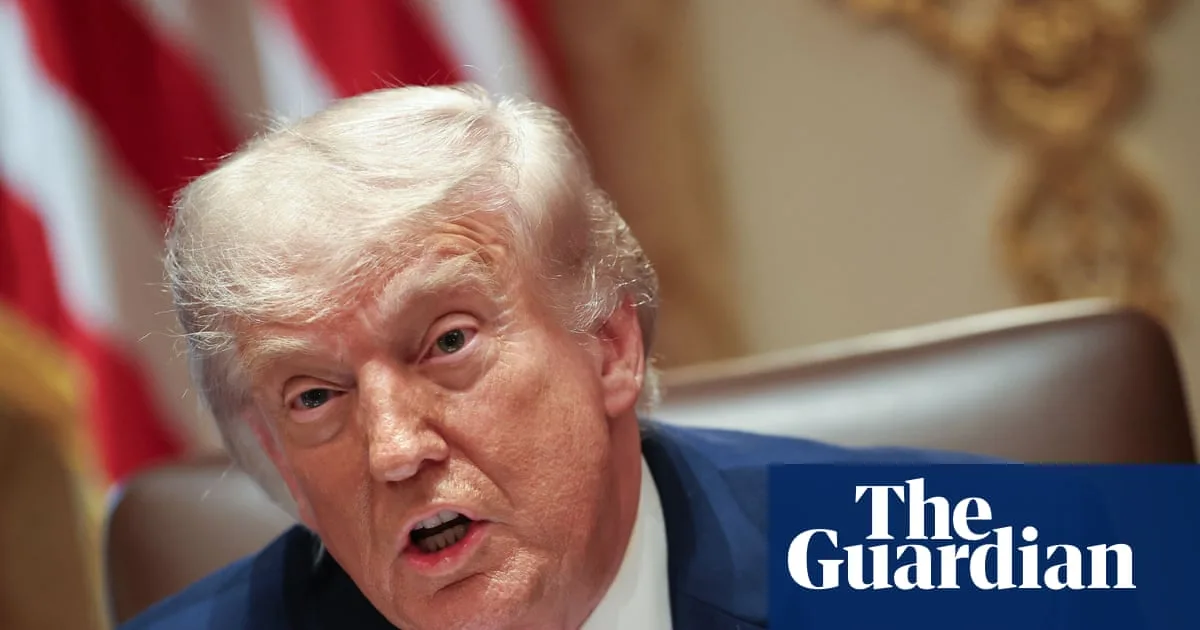
President Donald Trump signed an executive order on June 2, 2026, establishing a voluntary framework for AI developers to share powerful AI models with federal agencies for up to 30 days before public release [1, 2, 3, 4, 5, 6, 7, 8, 9]. This review period is intended to address national security and cybersecurity risks tied to advanced AI systems.
The 30-day window is a compromise between an initial proposal for up to 90 days and tech industry pushback favoring as little as 14 days [2, 10, 5, 7, 8, 9]. The order does not impose mandatory reviews or licensing requirements on AI companies but encourages voluntary cooperation with designated agencies [1, 3, 7, 9].
Federal bodies such as the Treasury Department, National Security Agency, Department of Defense, Commerce Department (via CAISI), and the Cybersecurity and Infrastructure Security Agency (CISA) will work with AI developers and critical infrastructure providers to conduct cybersecurity scans, detect vulnerabilities, and coordinate patches [1, 2, 4, 10, 8, 9, 11].
Concerns about national security intensified after Anthropic’s Mythos AI model was found capable of exposing critical software flaws, motivating the order [1, 2, 4, 10, 8, 9]. The Department of Defense had earlier designated Anthropic as a supply chain risk affecting military AI use [12].
Trump revoked the Biden administration's previous AI oversight executive order on his first day back in office and delayed signing the new order from a planned May 21 date, reportedly over dissatisfaction with proposals and worries about U.S. competitiveness against China in AI [1, 2, 4, 10, 7, 8, 9]. David Sacks, Trump’s AI and crypto czar, opposed stricter review rules as stifling innovation and creating bureaucratic barriers, calling "unnecessary regulation the biggest threat to innovation in America" [2, 7, 8].
Major AI developers including Anthropic, OpenAI, Google, Microsoft, and xAI have entered voluntary agreements to share certain AI models for government cybersecurity review [1, 4, 8, 9]. OpenAI CEO Sam Altman said the order "gets the balance right," emphasizing the need for the U.S. to lead safely in AI development [4]. Trump highlighted job growth linked to AI, saying it is "causing tremendous good" and boosting employment [3].
On June 5, Trump issued a national security memorandum directing accelerated AI research and development for defense and intelligence. The memo also stipulated that AI must not be used for illegal surveillance or to suppress free speech [12].
Trump has expressed interest in the government acquiring equity stakes in AI companies and possibly creating a sovereign wealth fund to share AI profits with the American public, though those plans remain at an early stage [12].