OpenAI and Anthropic held two separate classified briefings on April 23 to update House Homeland Security Committee staff on new cyber-capable AI models and their implications for cybersecurity. The sessions focused on the companies' frontier AI developments and potential impacts on critical infrastructure security [1].
Anthropic has delayed the public release of its Mythos Preview model due to its ability to rapidly identify and exploit critical security flaws, raising safety concerns [1]. OpenAI is using a tiered release strategy for its GPT-5.4-Cyber model to better manage security risks [1].
Both companies said they are collaborating with federal agencies to provide government access to the models, aiming to strengthen national cybersecurity defenses, though details of this cooperation remain limited [1].
The briefings also addressed a recent White House memo accusing China of conducting "industrial-scale" efforts to copy and replicate American AI models, a concern that has driven heightened government scrutiny [1].
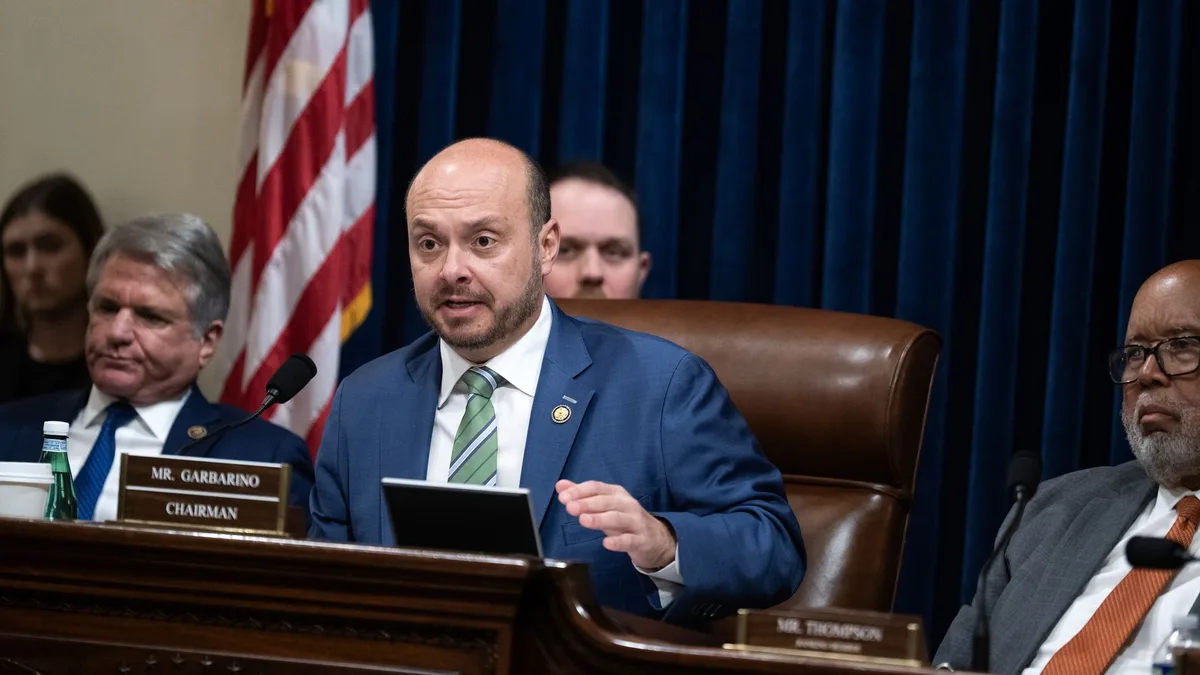
House Homeland Security Chair Andrew Garbarino, who has hosted private roundtables with tech and AI executives, said in response that "productive partnerships between industry and government are essential to help us stay ahead of the evolving threat landscape, ensure the government is prepared to securely harness AI for its defensive capabilities, and support and protect American AI development as adversaries like China seek to gain an advantage by any means" [1].
The committee has also held several hearings on generative AI and national security, including risks from nation-state cyberattacks [1]. Last week, OpenAI noted the briefings were among multiple engagements with Senate and House committees as well as a session with the White House [1].
This week, Rep. Jay Obernolte introduced legislation proposing a federal framework for AI governance, reflecting ongoing congressional efforts to regulate and oversee AI technologies [1].