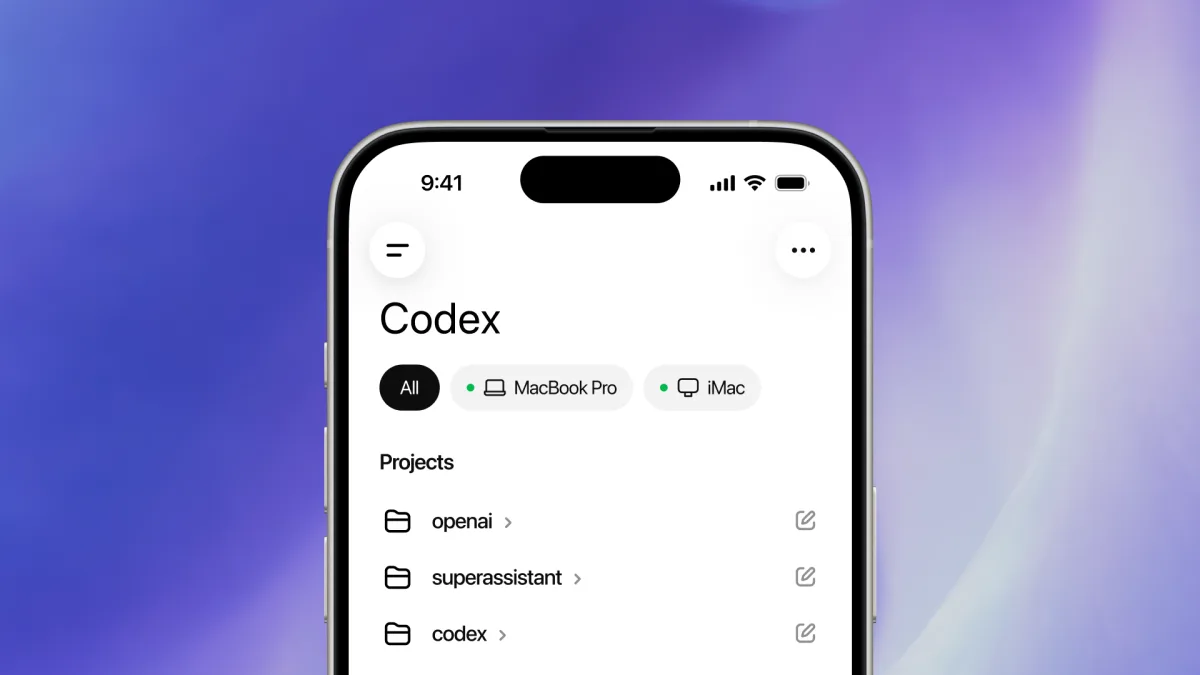
OpenAI integrated its AI coding assistant Codex into the ChatGPT mobile app, allowing users to monitor and manage AI coding workflows remotely from their smartphones. The integration launched on May 14 and is available in preview for all ChatGPT subscription plans, including free and Go tiers [1, 2, 3, 4].
While direct programming is not possible on mobile devices, Codex runs in the background on connected computers or remote environments. The ChatGPT app acts as a remote control and status monitor, letting users review results and control tasks [1, 5, 2, 3, 4]. According to OpenAI, "From your phone, you can work across all of your threads, review outputs, approve commands, change models, or start something new" [1]. Developers also shared on social media, "Step away from your laptop. Keep building with Codex on your phone" [5].
Users can see terminal outputs, screenshots, code diffs, and test results through the app. OpenAI uses a secure relay layer to keep Codex environments accessible without exposing them to the public internet, ensuring local credentials and permissions remain protected on the running machine [2, 3, 4]. This design increases developer flexibility by enabling remote management of longer-running coding workflows without leaving laptops open and active [1, 5, 2, 4].
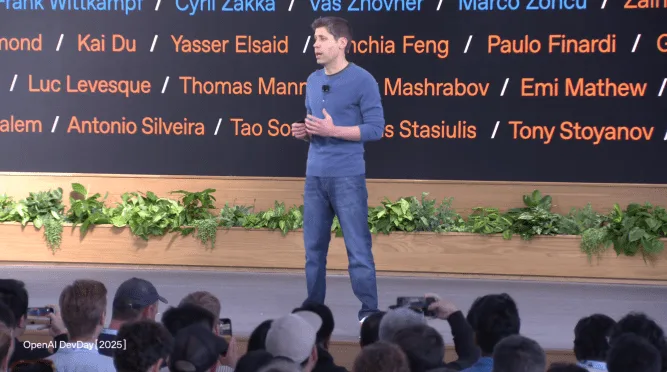
OpenAI CEO Sam Altman announced companies adopting the Codex mobile integration will receive two months of free usage as part of a market expansion strategy [6]. The company also announced enterprise-focused updates, including remote SSH support to connect to approved development environments and enhanced code verification tools [3, 4].
Codex serves over four million weekly users and is OpenAI's fastest-growing enterprise product, heavily used across software development lifecycle tasks [7, 8]. OpenAI recently partnered with Dell Technologies to deploy Codex in hybrid and on-premises enterprise environments through Dell’s AI Data Platform. Dell's SVP Ihab Tarazi said the partnership allows enterprises to "deploy AI on-premises, keeping data in place while enabling scalable AI agent deployments" [8].
OpenAI released a Chrome extension earlier this month enabling Codex to work within live browser sessions. The company competes closely with Anthropic’s Claude Code, with Codex focusing on advanced functionality and customization [1, 6, 9]. Citadel CEO Ken Griffin highlighted AI tools like Codex "can accomplish complex high-skilled tasks in hours or days that previously took people weeks or months" [9].