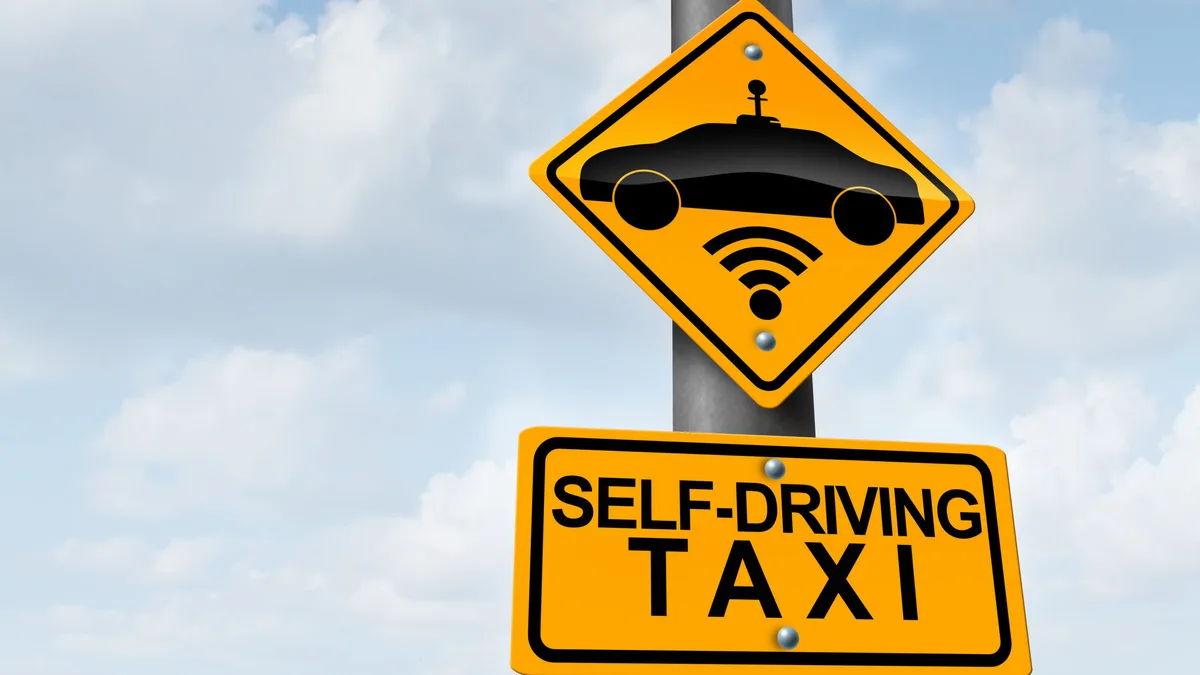
Mobileye plans to launch a robotaxi service in an unnamed US city in 2027 with an initial fleet of around 100 autonomous vehicles, phased throughout the year [1, 2, 3, 4, 5, 6, 7, 8, 9]. The company aims to expand this fleet to approximately 17,000 vehicles nationwide within five years after the rollout [2, 3, 4, 5, 6, 7, 8, 9].
The service will integrate Mobileye’s proprietary Mobileye Drive self-driving system and its Moovit mobility platform for ride booking and management [1, 3, 4, 8, 9]. While Mobileye will operate the robotaxi fleet itself—a strategic shift from solely supplying autonomous driving technology—it will acquire vehicles from AV-ready manufacturers and not build vehicles directly [1, 3, 4, 6, 7, 8, 9].
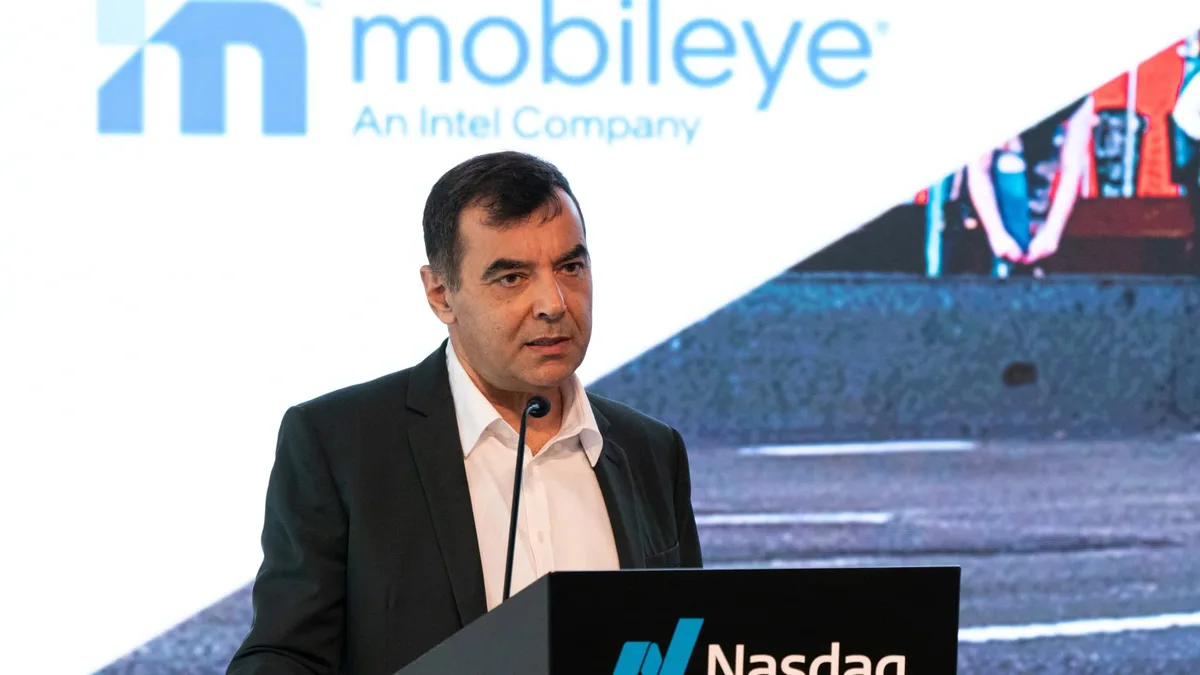
Amnon Shashua, Mobileye’s CEO, said the company is taking the next step by combining two decades of autonomous driving technology with operational ownership to create a scalable robotaxi business. He called the robotaxi market a crucial path toward fully driverless passenger cars. “The realization is that you can’t reach that Holy Grail if you don’t go through the robotaxi business,” Shashua said [1, 2, 3].
Mobileye’s robotaxi business will complement, not replace, its existing autonomous driving supplier business, and will compete directly with other companies that also use Mobileye’s self-driving technology [2, 3, 4, 8, 9]. After the announcement, Mobileye shares rose about 6% [2].
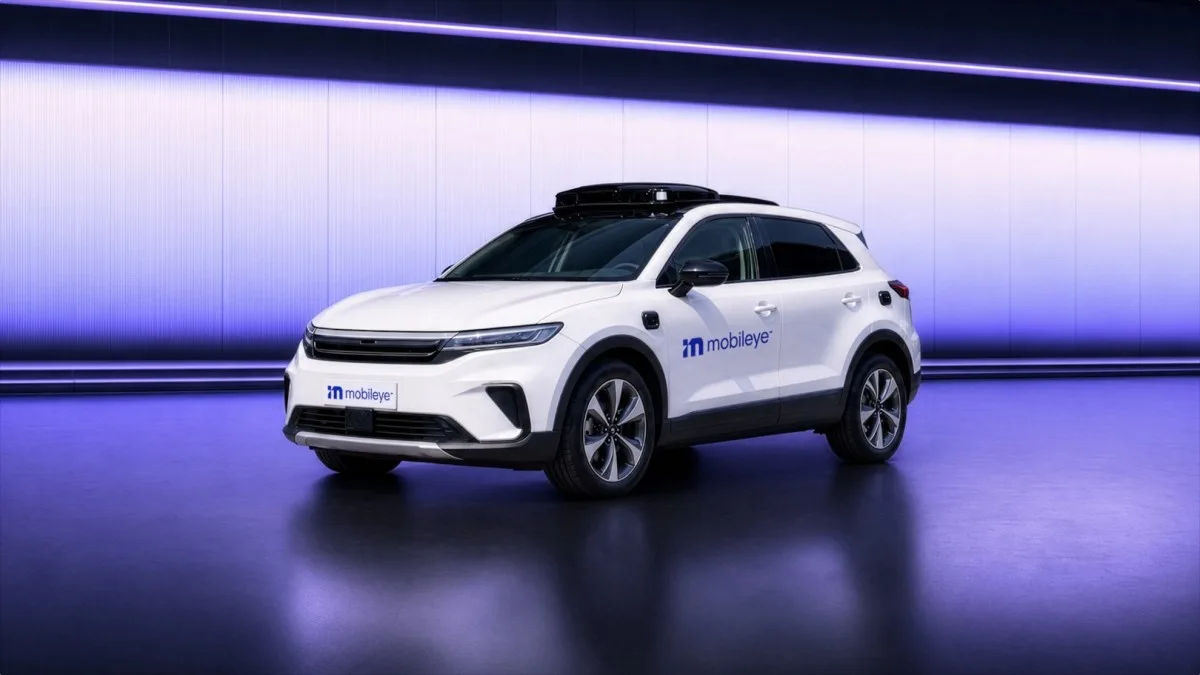
The initial fleet’s vehicle model has not been officially named. However, some images show a modified Ora iQ electric crossover as a possible candidate [3, 4].
Mobileye was acquired by Intel in 2017 and later went public again in 2022 [1].
Mobileye’s phased deployment of its initial 100-vehicle robotaxi fleet is scheduled for 2027, with plans to scale up nationwide over the next five years [1, 2, 3, 4, 5, 6, 7, 8, 9].