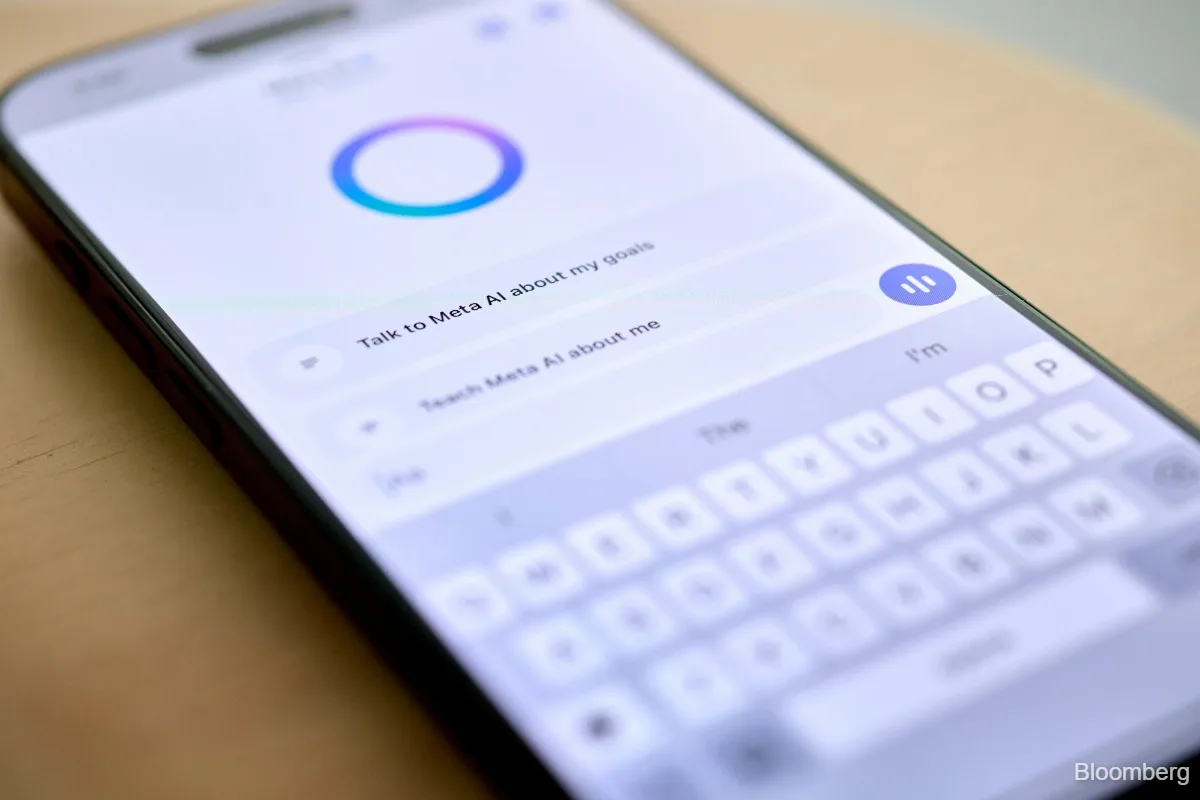
Meta Platforms announced paid subscription plans for its AI chatbot and flagship apps Instagram, Facebook, and WhatsApp globally on May 27, 2026 [1, 2, 3, 4, 5, 6]. The AI service will offer two tiers: Meta One Plus at $7.99 per month and Meta One Premium at $19.99 per month. These plans target users who need higher usage limits, extended reasoning, and advanced image and video generation capabilities [1, 2, 7, 8, 9, 4, 5].
The AI subscriptions will first be tested starting in June 2026 in Singapore, Guatemala, and Bolivia, with plans for expansion to more countries [1, 2, 8, 9, 4]. Users may still access the Meta AI chatbot for free but with significant usage restrictions; paid tiers unlock greater capacity and enhanced features [1, 2, 8, 9, 4].
In addition to AI offerings, Meta rolled out monthly subscriptions for Instagram Plus and Facebook Plus at $3.99 each, and WhatsApp Plus at $2.99. These provide additional features like advanced analytics, story insights, wider audience reach, profile customization, and personalization tools such as premium stickers and custom ringtones [1, 3, 8, 10, 5, 6, 11].
Meta plans to unify these offerings under the Meta One brand. Head of Product Naomi Gleit said, “We're offering premium tools that allow you to enhance presence, supercharge content, automate tasks, and protect your brand. We're also thinking about how to bring this all together in a way that makes sense” [4]. She also indicated more fun features will be added later [3].
Meta is also testing higher-tier subscriptions for businesses and creators: Meta One Essential at $14.99 per month and Meta One Advanced at $49.99, which include live customer support for Instagram and Facebook pages [8, 9]. The new subscriptions do not replace Meta Verified, which focuses on profile verification and impersonation protection [3, 5].
The subscription plans follow Meta's 2023 launch of ad-free paid Facebook and Instagram versions in Europe, a response to EU data privacy rules [1, 11]. CEO Mark Zuckerberg pledged $600 billion over several years to AI infrastructure and is currently building a $200 billion data center in Louisiana to support these efforts [1, 2, 8, 9]. Zuckerberg said that if Meta builds excess computing capacity, the company might enter the cloud computing market [9].
Meta’s non-advertising revenue, including subscriptions and hardware, reached $1.29 billion in Q1 2026, while advertising revenue topped $55 billion [8]. After announcing the subscription plans on May 27, Meta’s stock price rose about 3-4% [2, 8, 10, 4, 5, 6, 11].
The AI subscription rollout in Singapore, Guatemala, and Bolivia starts in June 2026 with plans to broaden access after testing [1, 2, 4].