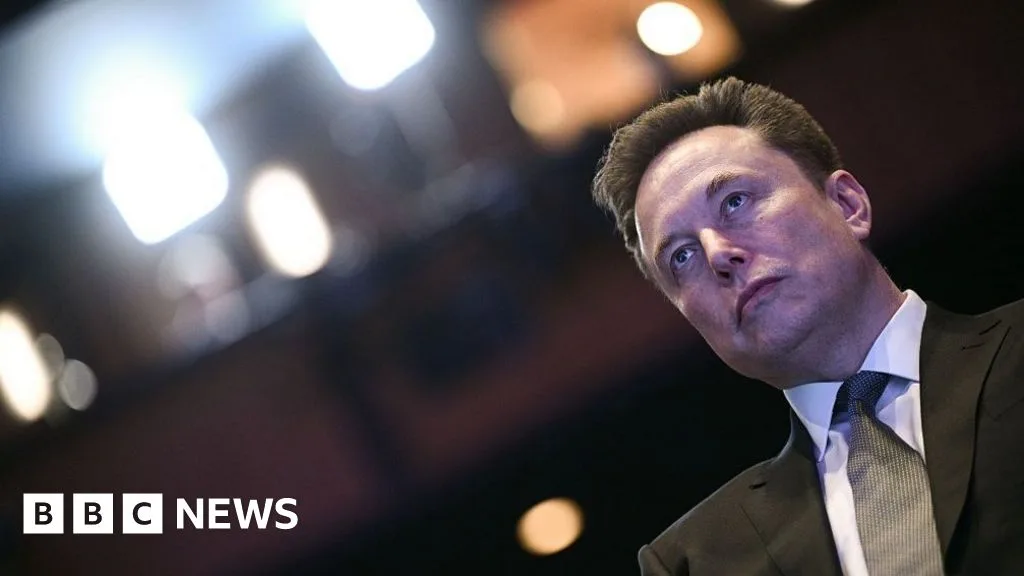
A California federal jury dismissed Elon Musk's lawsuit against OpenAI and its CEO Sam Altman on May 18, ruling the case was filed after the statute of limitations expired [1, 2, 3, 4, 5]. The suit accused OpenAI of breaching its original non-profit mission after converting to a for-profit company, despite Musk's $38 million donation in the organization's early years [1, 3, 4].
The lawsuit alleged Altman and other executives deceived Musk by accepting his funds then prioritizing profit over their stated goal to benefit humanity [1, 4, 5]. Musk portrayed Altman as deceptive, with multiple witnesses during the three-week trial calling him a liar under oath [6, 4, 5]. OpenAI's legal team argued the suit was baseless and motivated by jealousy and an attempt to undermine competition [1, 3, 4, 5].
Musk testified in the trial alongside Altman and Microsoft CEO Satya Nadella. The jury deliberated for about two hours before reaching its verdict in the San Francisco federal court [1, 3, 4, 5]. US District Judge Yvonne Gonzalez Rogers said there was "a substantial amount of evidence to support the jury's findings" [3].
OpenAI was founded in 2015 by Musk, Altman, and others as a non-profit research lab. Musk left the board in 2018 after co-founders refused him control [1, 3, 4]. The organization transitioned to a capped-profit company in 2019 to scale AI development and funding [3, 4]. Musk's lawsuit, filed in August 2024, alleged OpenAI breached its original non-profit mission [3, 4].
Musk has vowed to appeal, claiming the judge and jury never ruled on the merits of his claims, only on timeliness [3, 4, 7]. His lawyer compared the loss to historic American battles, saying "this one is not over" [3]. On social media, Musk accused Altman and co-founder Greg Brockman of stealing a charity to enrich themselves [4].
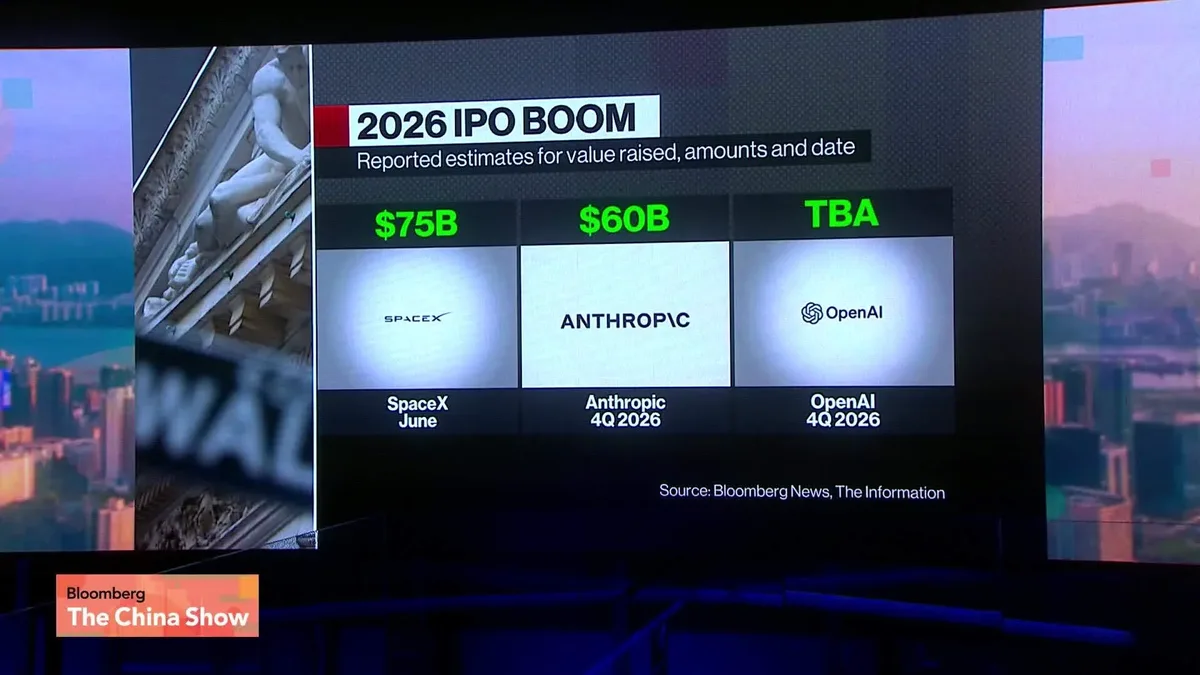
The verdict removes a significant legal hurdle for OpenAI's planned initial public offering later this year. The AI lab's IPO is expected to value the company around $1 trillion [8, 6, 4, 5].
The case has intensified debate over the shift of AI research from non-profit ideals toward profit-driven enterprises. Security concerns surfaced with an arson attack on Altman's San Francisco home in April 2026, reflecting public tensions around AI advancements [6].
Elon Musk announced on May 20 his intention to appeal the decision, keeping the legal dispute alive beyond the verdict [7].