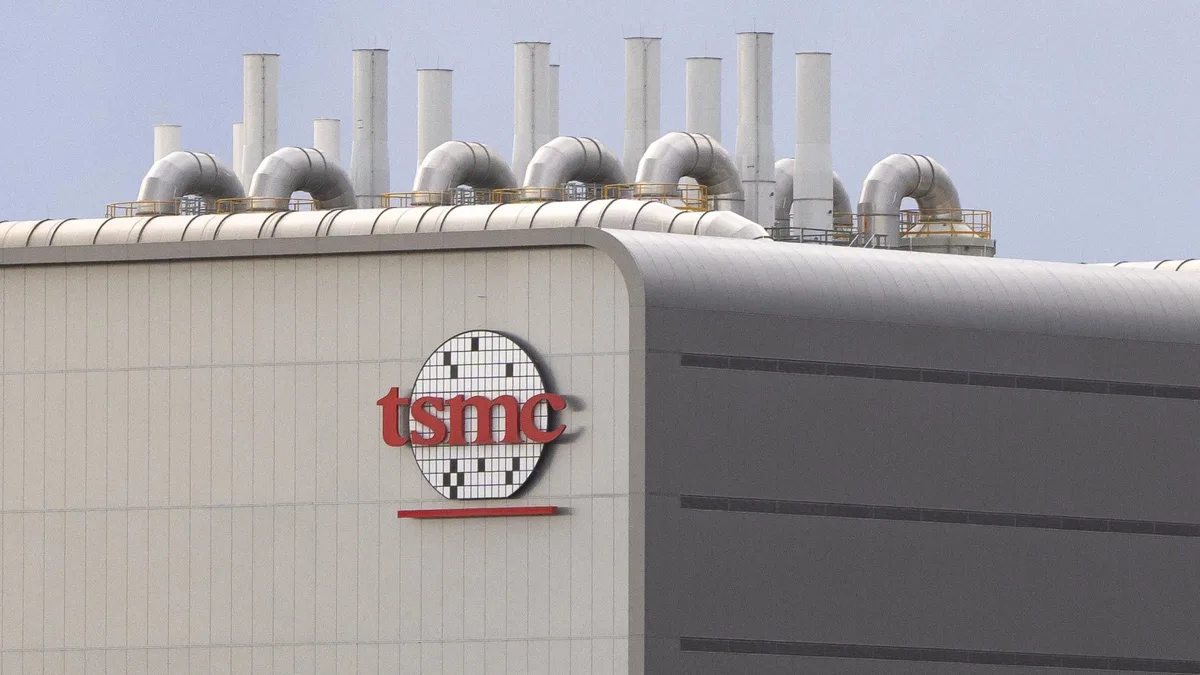
The ongoing conflict in Iran is severely disrupting supply chains and pushing up costs for AI chip makers and semiconductor firms globally as of mid-2026 [1, 2]. Taiwan Semiconductor Manufacturing Company (TSMC), a key Nvidia chip supplier, warned that rising prices for critical chemicals and gases linked to the Middle East tensions could hurt its profitability [1, 2]. TSMC CFO Wendell Huang said on an earnings call in April that the company is "continuously develop[ing] multi-source supply solutions to build a well-diversified global supplier base and to improve the local supply chain" to mitigate risks [1].
Foxconn, the largest contract electronics manufacturer in the world, named the Middle East conflict a major challenge for 2026 [1, 2]. German chipmaker Infineon also expects higher costs for precious metals, energy, and freight due to the war [1, 2]. Swiss components supplier VAT Group faced supply chain disruptions forcing shipment reroutes, causing a sales decline of 20 to 25 million Swiss francs in Q1 2026 [2].
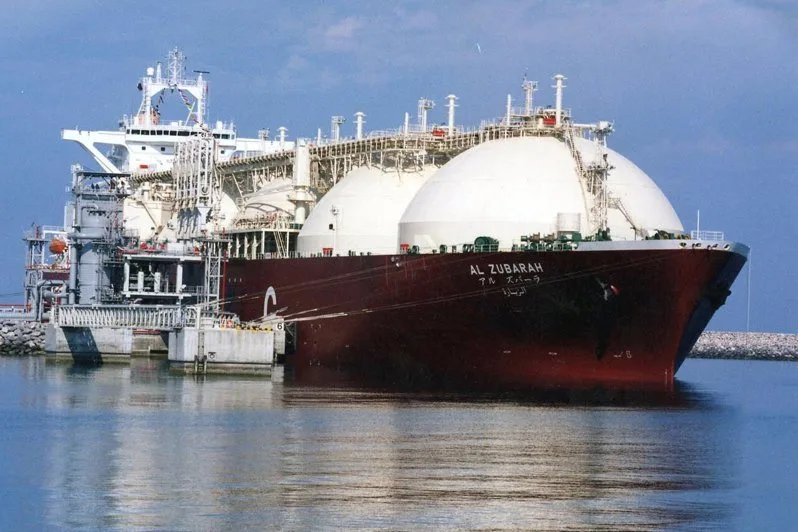
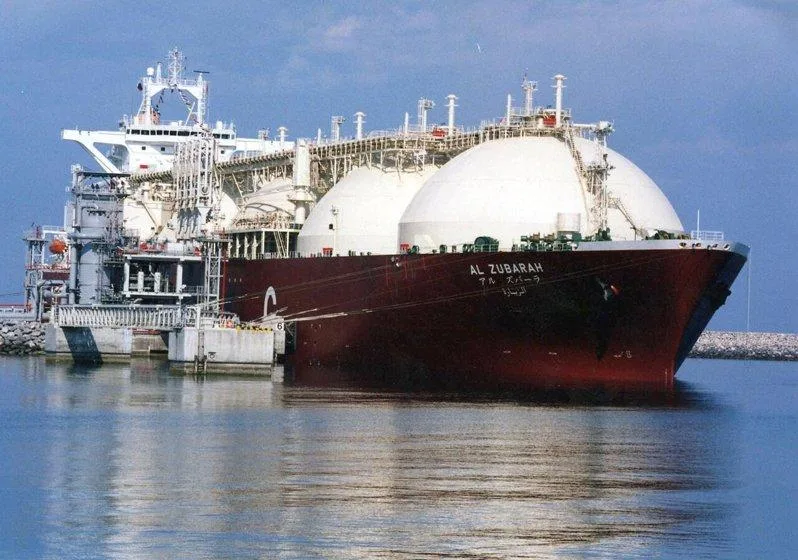
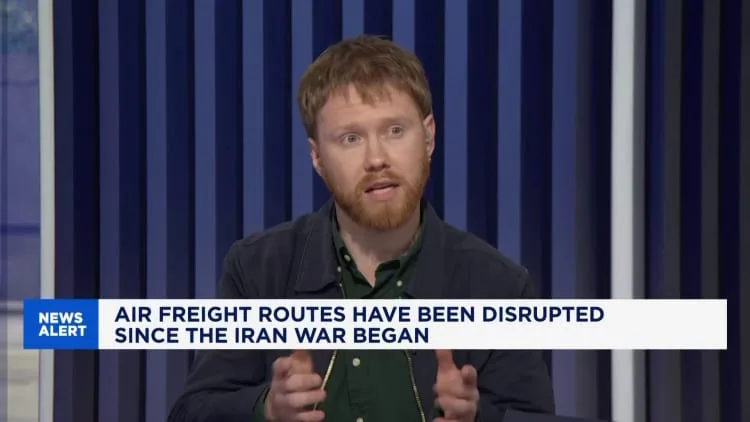
A critical factor is helium, a gas essential for semiconductor production. Qatar, which held over 30% of the global helium market in 2025, has cut exports following Iranian strikes, tightening supply [1, 2]. Other key semiconductor materials like bromine and aluminium have also seen price hikes, with European chip buyers paying more and using backup inventories since March 2026 amid air freight disruptions [1, 2].
Advantest, a semiconductor equipment maker, described the business environment as unpredictable due to concerns over Middle East tensions slowing the global economy and raising logistics costs, with potential future shortages looming [2]. Energy prices and logistics costs have reached all-time highs and are expected to remain elevated for several quarters, even if the conflict de-escalates, said Francisco Jeronimo, an analyst at IDC [1, 2]. He added, "Even with a potential ceasefire, the supply-side damage doesn't improve overnight" and noted companies with diversified suppliers and inventory buffers are better positioned to withstand the war's impact [1, 2].
Despite these challenges, the AI chip market has remained resilient. The Philadelphia Semiconductor Index rose 41% in the past three months, reflecting sustained investor confidence [2].
The disruption timeline dates back to 2025 when Qatar provided over 30% of helium globally before export cuts tied to the conflict. In March 2026, European chip buyers started paying higher prices and drawing from backup stockpiles. In the first quarter, VAT Group's sales dropped due to rerouted shipments. In April, TSMC outlined strategies to diversify suppliers and bolster local supply chains [1, 2].