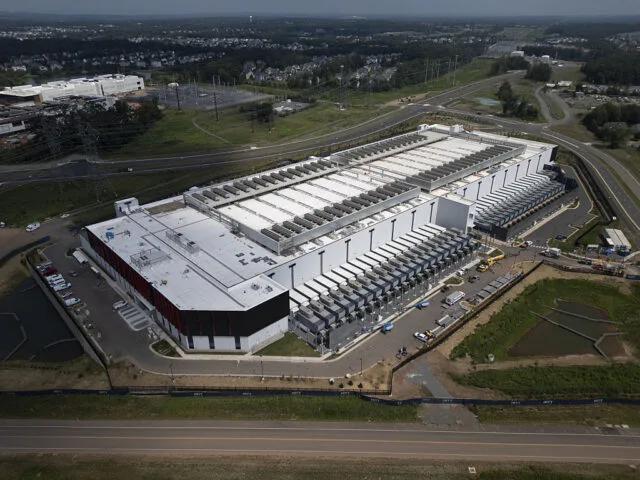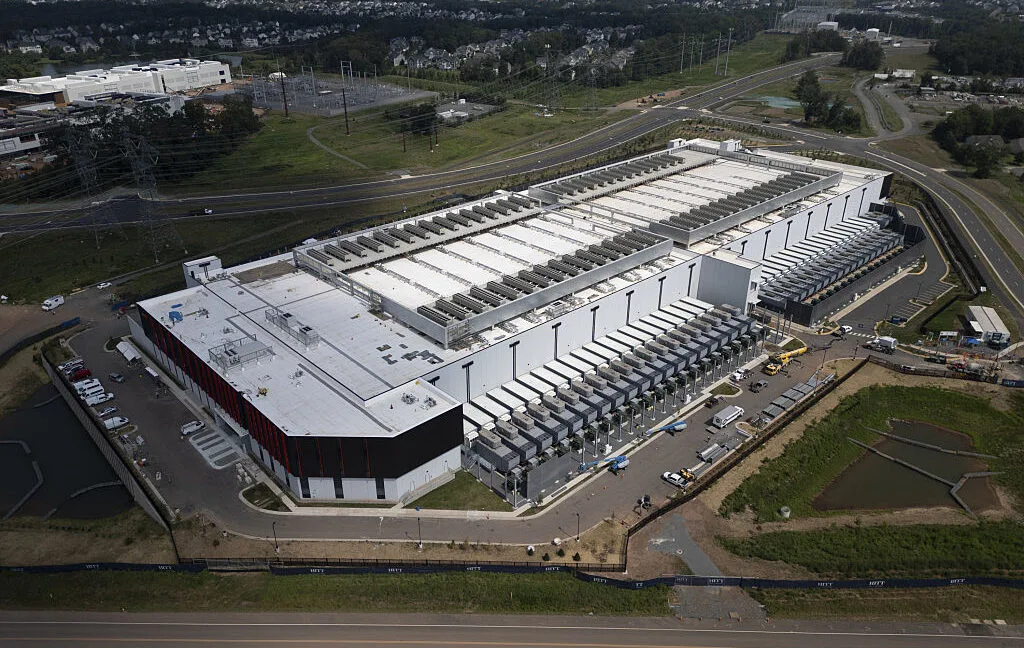
SpaceX amended its IPO filing on June 1 to reveal that water scarcity, regulations, and drought could limit its data center expansion opportunities in the US [1, 2]. This announcement comes amid increasing public concern: a recent Gallup poll showed seven out of ten Americans oppose data center developments, citing water use as the top resource issue [1, 2].
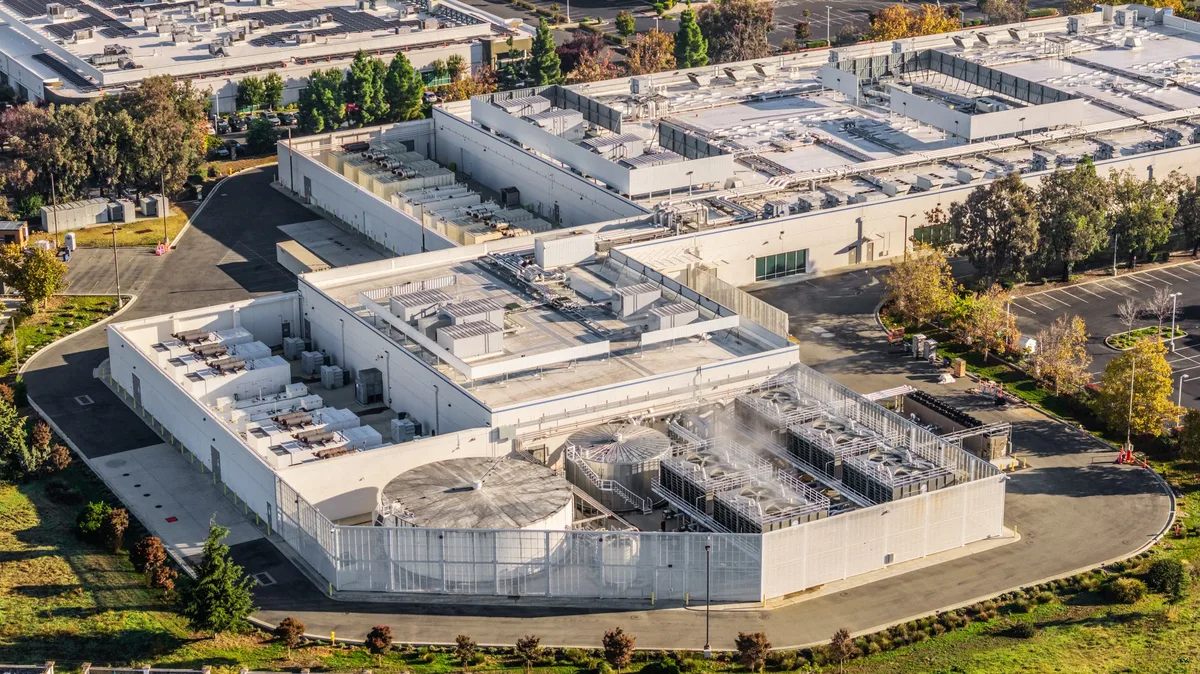
Data centers rely heavily on water for evaporative cooling to dissipate heat generated by servers. Google's Council Bluffs, Iowa, data center alone consumed more than 1 billion gallons of water in 2024 [1, 2]. Collectively, hyperscale data centers could use up to 33 billion gallons by 2030 if they continue relying largely on such cooling methods, according to Lawrence Berkeley National Laboratory projections [1, 2].
In 2024, Google’s data centers consumed 7.2 billion gallons of freshwater, replenishing approximately 4.5 billion gallons, or 64%, through various water stewardship projects [3]. On June 3, Google released an updated set of water stewardship guidelines aiming for net positive water use by 2030, which means returning more water to local watersheds than consumed [3].
Google also announced an expansion of its water stewardship initiatives, with 165 projects across 97 watersheds expected to replenish 19 billion gallons annually by 2030—more than double its current consumption [4]. The company is investing $17 million in new projects across several US states, including Georgia, Iowa, Michigan, Minnesota, Missouri, Nebraska, and Texas, and pledged $500 million toward public water and wastewater infrastructure improvements [4].
"There's so many data center developers, and many of them are not doing it the right way, so people's concerns are legitimate," said Bikash Koley, Google’s vice president of global infrastructure. He added that water is a complex issue where lack of information often breeds distrust [3]. UC Riverside engineering professor Shaolei Ren emphasized water’s local and regional nature, saying, "It's a limited resource, and we have to manage it very carefully" [1].
To reduce water risks, Google plans to use air cooling where water source risk is high and pursue reclaimed water solutions [3, 4]. Other tech companies like Microsoft, OpenAI, and Oracle are also moving away from evaporative cooling to save water. Oracle’s new Stargate expansion in Texas is an example of this shift [2].
Though data centers use significant water amounts, experts note they consume about 1% of the water Americans use on their lawns annually [4]. The sector balances the tradeoff between water consumption and power use to cool increasingly intensive AI chips [3].
Google’s guidelines and investments mark key milestones as the tech industry faces mounting pressure around water use. The company’s stewardship projects and public infrastructure funding will expand throughout the decade, with targets set for 2030 [4].