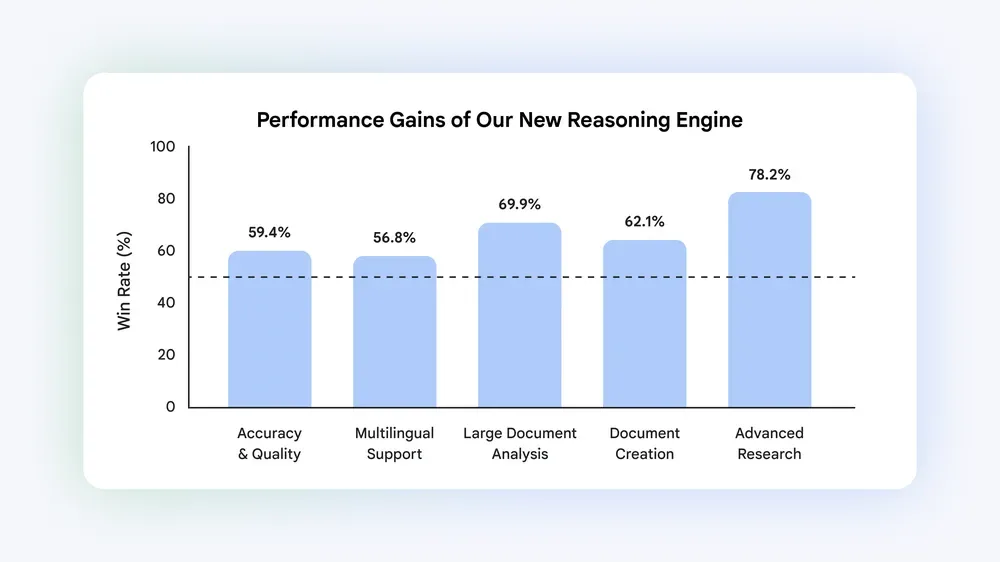
Google announced an update to its NotebookLM research tool on June 8, 2026, deploying the Gemini 3.5 AI model as the default engine for the service [1, 2, 3]. The new model reportedly outperforms the previous Gemini 3.1 with a 65% win rate in accuracy and quality on core evaluation measures [1]. Google said, "NotebookLM will respond with more accurate and reliable information using Gemini 3.5" [3].
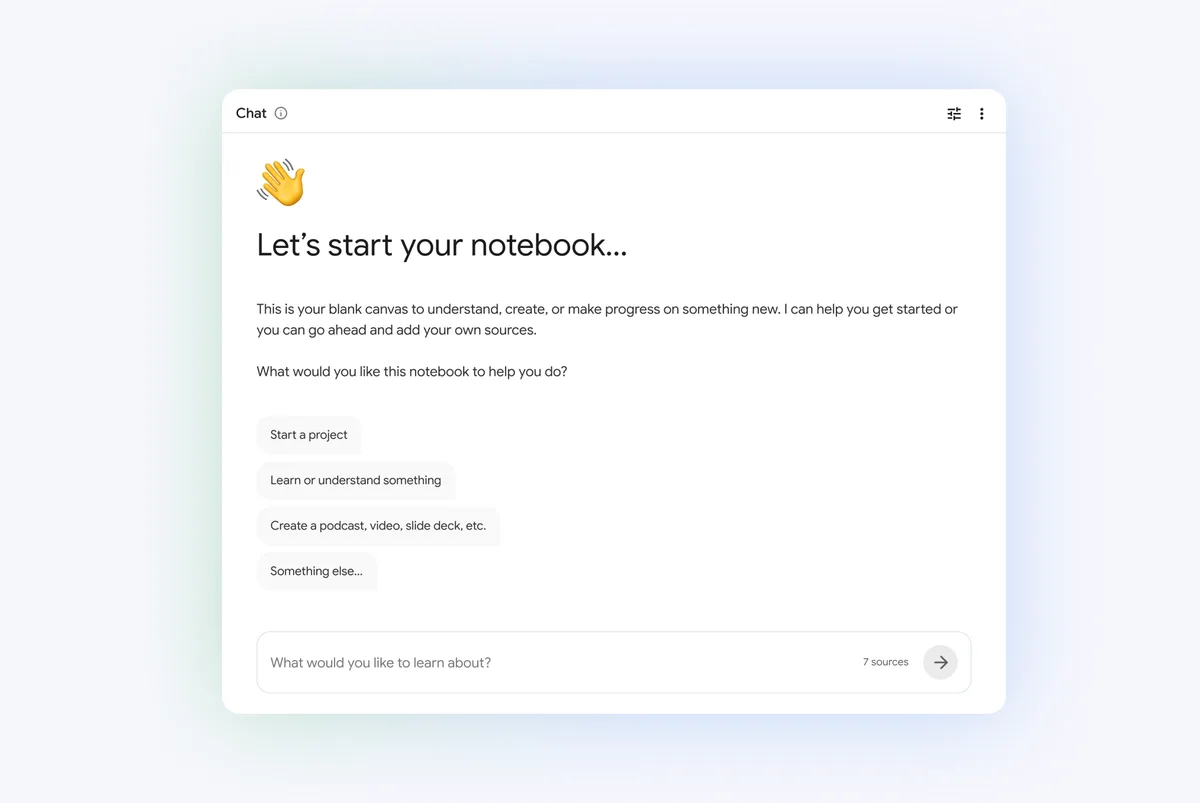
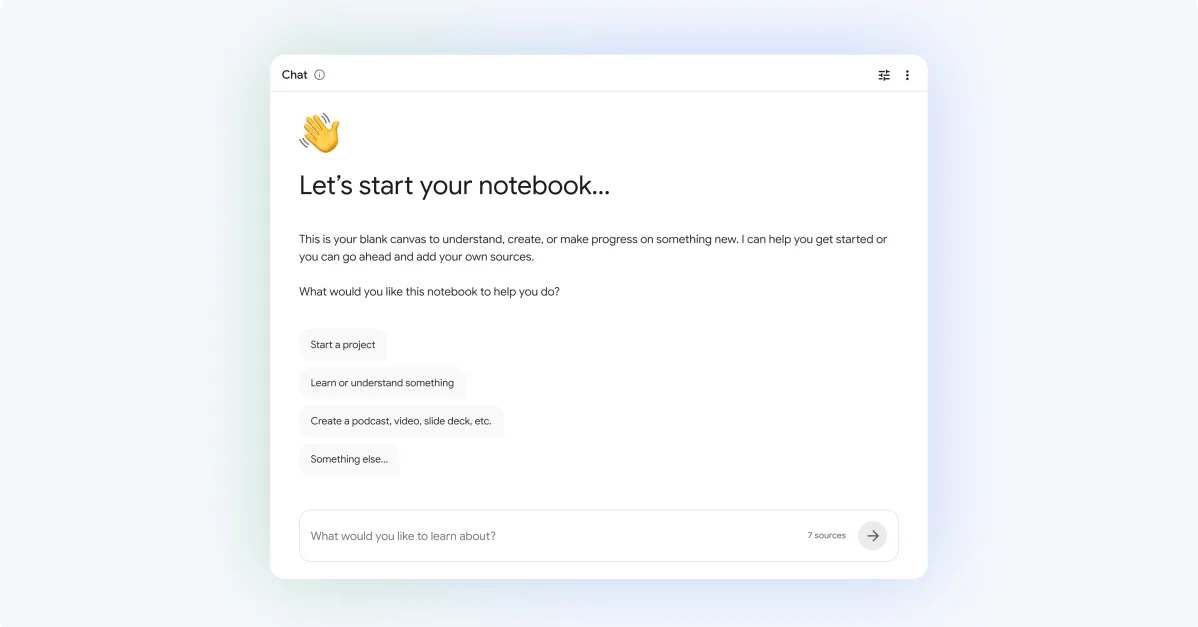
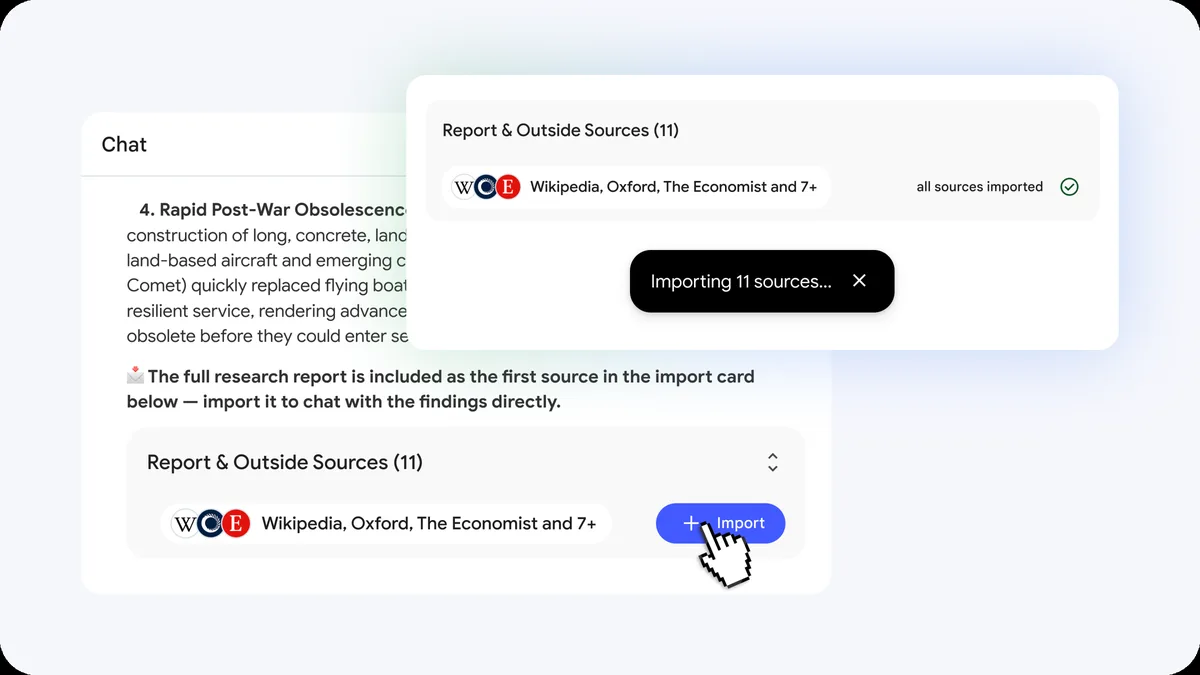
The update also integrates a new cloud computing environment powered by Google's Antigravity platform. This addition allows NotebookLM to write and execute code to aid users in their research projects [1, 3]. Users can now initiate research by chatting directly with NotebookLM, which helps discover relevant sources through Google Search integration [2, 3].
Expanding output capabilities, NotebookLM now supports many formats including PDFs, Microsoft Office files, CSV, JSON, as well as data visualizations like PNG and SVG images. It also supports Nano Banana-generated images for enhanced visual content [2, 3].
Launched originally in 2023, NotebookLM has continually expanded its features and skills. The updated version supports more than 100 software skills to facilitate research workflows [1].
Access to the update is initially limited to Google AI Ultra users and Workspace business customers with AI Ultra or Expanded Access plans [2, 3].
The June 8 rollout marks the largest NotebookLM update since its launch, combining advanced AI models, cloud code execution, conversational research, and diverse output formats.