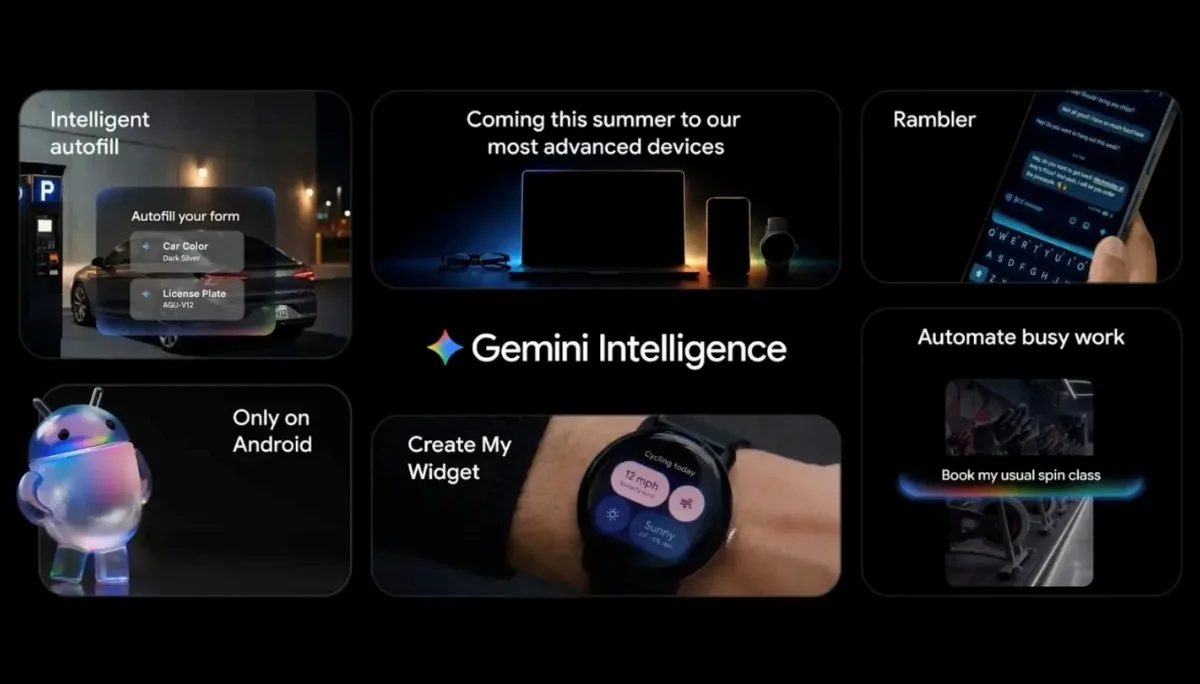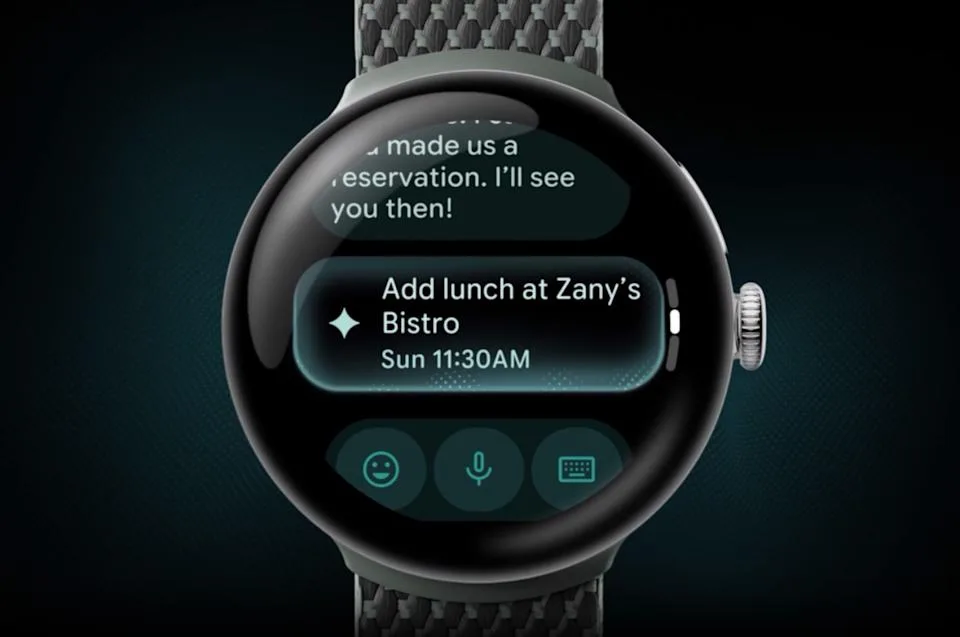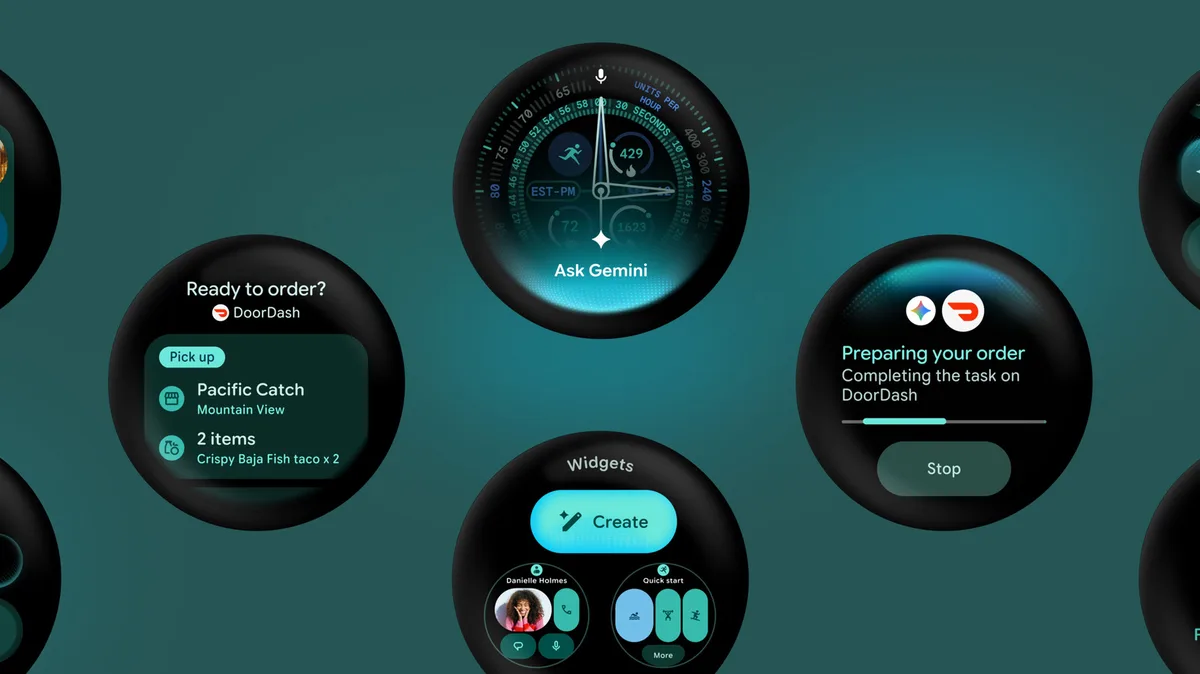
Google announced the latest update to its wearable operating system, Wear OS 7, at Google I/O 2026 held from May to June 2026 [1, 2]. The update integrates Gemini Intelligence, Google's AI technology, into the platform and introduces dynamic Wear Widgets that replace traditional static tiles with customizable, interactive widgets [1, 2].
One notable feature debuting in Wear OS 7 is Live Updates, which delivers real-time information such as delivery status and sports scores directly to the watch face without requiring users to unlock their phone—a feature previously limited to Android phone lock screens [1, 2]. The update also includes a default workout tracker built into the system, alongside media controls that work across various fitness apps to enhance user convenience during exercise [1, 2].
Wear OS 7 adds user controls to specify which apps can automatically trigger media controls, as well as a Remote Output Switcher that lets users change audio output devices via the watch [1, 2]. This gives users finer control over their media experience.
Developers gain new API access for integrating apps with Gemini Intelligence, including an AppFunctions API that supports task automation such as ordering food directly from the wrist [1, 2]. These capabilities aim to foster more intelligent interactions on wearable devices.
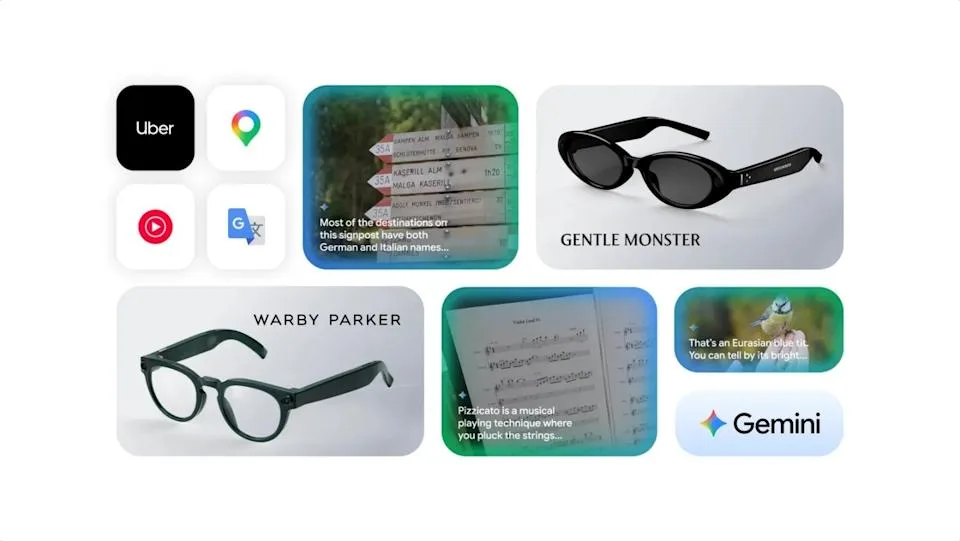
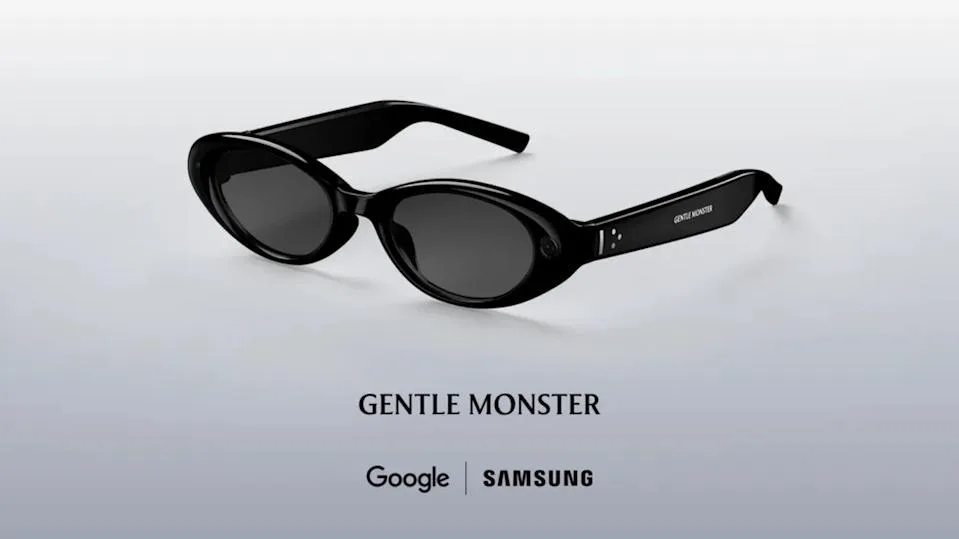
A Canary Emulator test version of Wear OS 7 is currently available for developers and early testers, ahead of a full release planned later in 2026 [1]. In related announcements, Google revealed plans to launch Android XR voice glasses in fall 2026. These glasses will feature Gemini support and emphasize voice-based interactions without a traditional display [2].