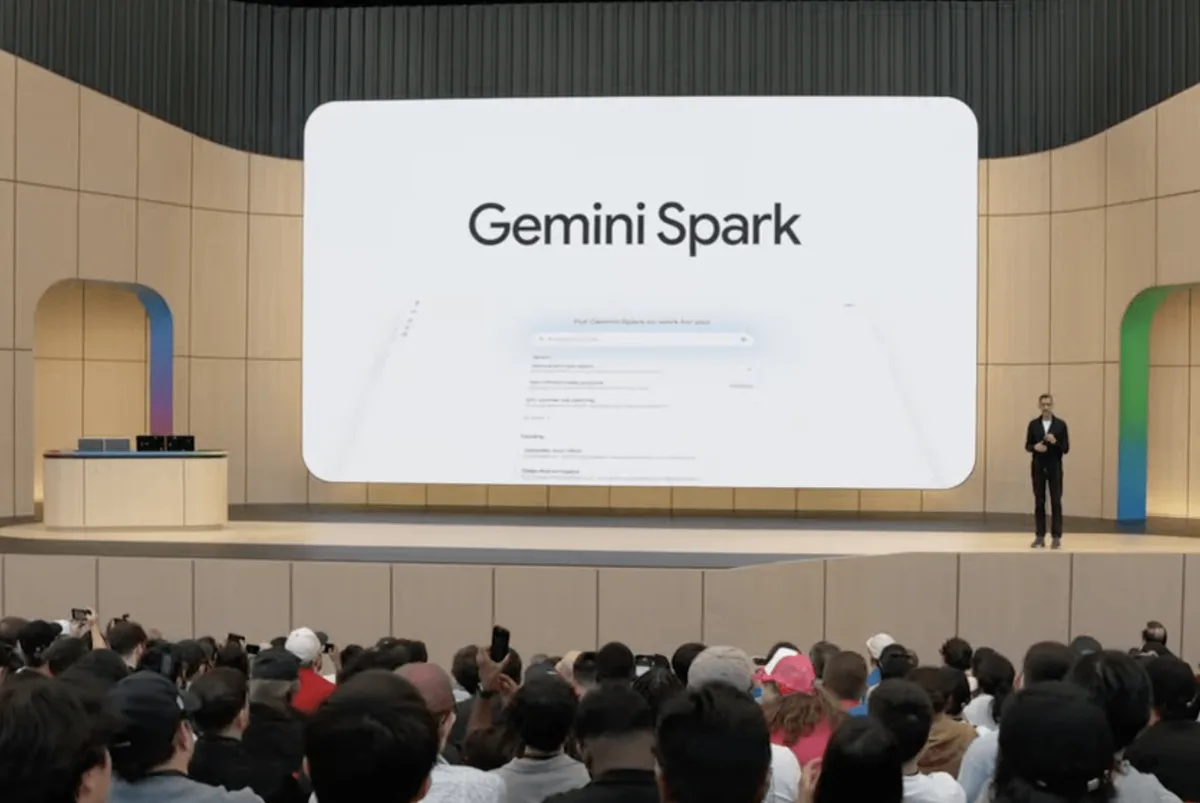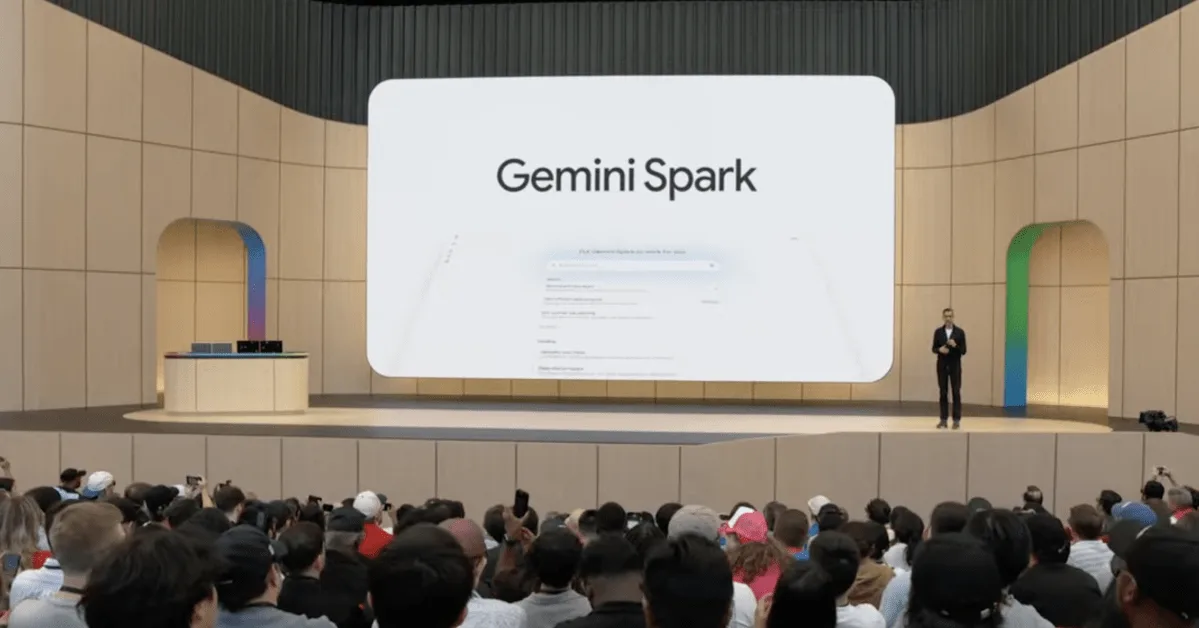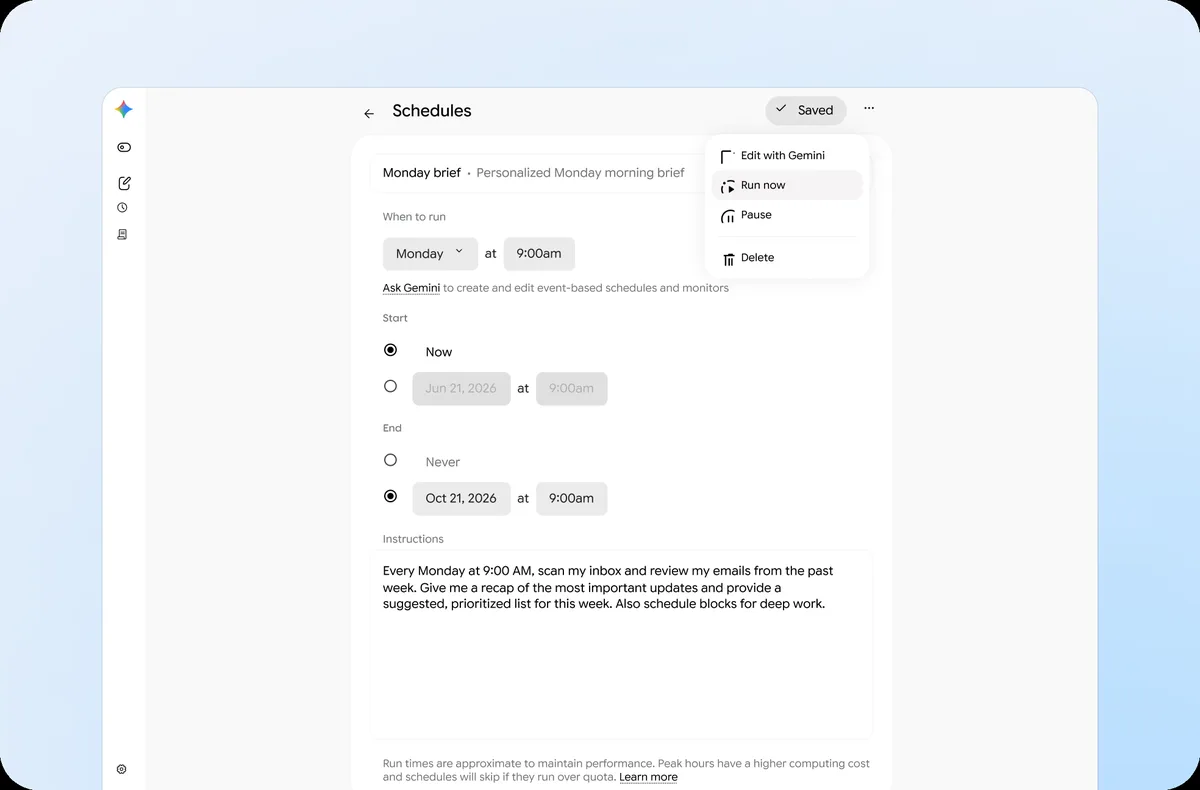
Google announced Gemini Spark at its Google I/O 2026 developer conference on May 19, unveiling a 24/7 personal AI agent powered by the Gemini 3.5 Flash model that runs continuously on Google Cloud even when users’ devices are off [1, 2, 3, 4, 5, 6, 7]. Sundar Pichai, Alphabet CEO, said the agent “runs on dedicated virtual machines on Google Cloud seamlessly, [so] you don’t need to keep your laptop open to make sure it’s running” [3].
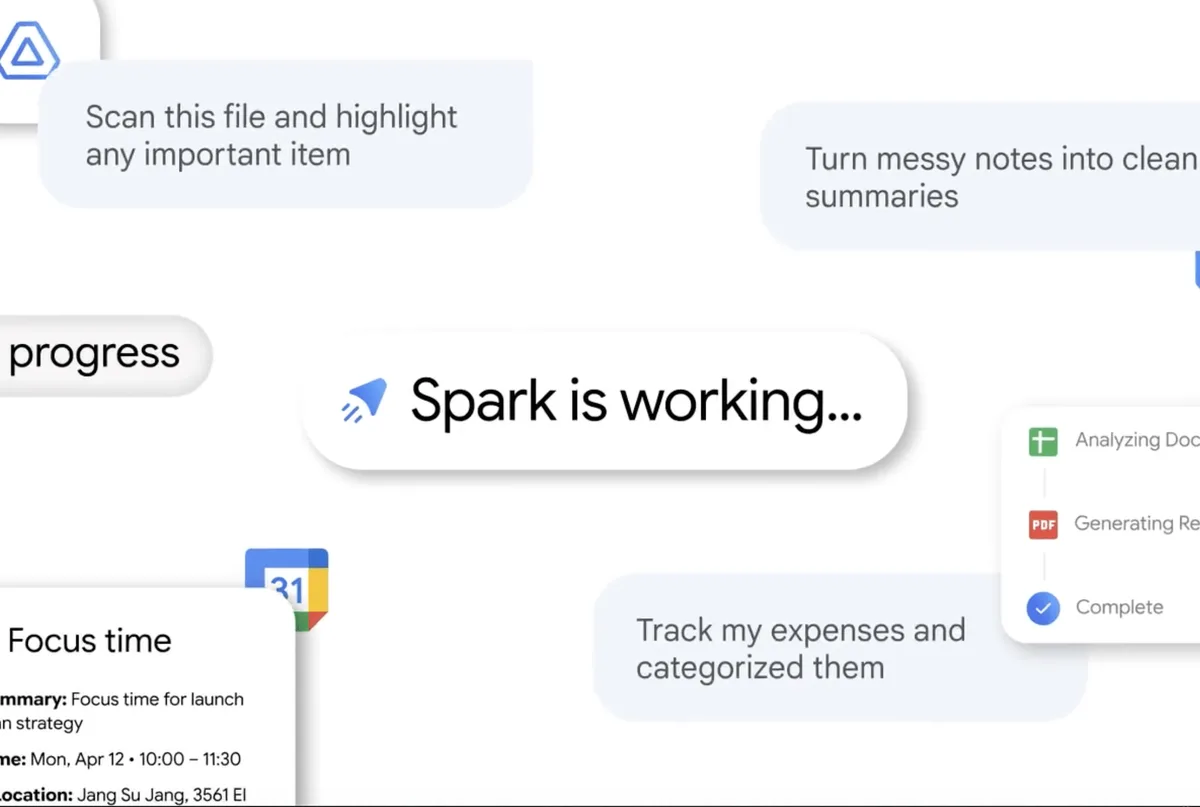
Gemini Spark integrates closely with Google Workspace apps such as Gmail, Docs, Sheets, Slides, and Calendar. Users can task Spark with drafting email updates, summarizing meeting notes, monitoring credit card bills for hidden fees, and managing schedules [2, 3, 8, 4, 5, 6, 7]. Josh Woodward, Google Labs VP, described it as “your personal AI agent that helps you navigate your digital life, taking action on your behalf and under your direction,” adding users feel like “you’re tossing things over your shoulder, Spark’s catching them, and gets the job done” [2, 3].
Google emphasized user control and consent for Spark’s functions. Users decide whether to enable Spark and select which apps it connects to. The AI requests permission before high-risk actions like sending emails or making payments [2, 4, 6, 7]. Gemini Spark also supports third-party app integration via the Model Context Protocol, with partners including Canva, OpenTable, and Instacart [2, 3, 6].
The rollout began May 20 with trusted testers. Beta access will open next week for Google AI Ultra subscribers in the US [2, 3, 4, 6, 7]. Google plans summer upgrades to let Spark access local files on macOS and interact with Chrome via the Android Halo UI for tracking AI agent progress [2, 6].
Google reported 900 million monthly Gemini assistant users as of May 2026, though this remains behind ChatGPT’s estimated 900 million weekly users [1, 9]. The company also announced new Gemini 3.5 and Gemini 3.5 Flash AI models optimized for speed and efficiency on Google Cloud and improvements to its AI platform Antigravity for managing multiple autonomous agents [1, 2, 10, 5]. Koray Kavukcuoglu, Google DeepMind CTO, said Antigravity is expanding “beyond a coding environment and turning it into a platform to develop and manage teams of autonomous AI agents” [10].
Elizabeth Reid, Google Search product lead, stated simply, “Google Search is AI search,” reflecting the company’s push to make AI central across its services [1]. Spark’s deep integration aims to make Google Workspace a proactive assistant platform.
Beta access for Gemini Spark will begin next week for subscribers, following the initial testing phase that started today.