Google DeepMind has invested approximately $75 million in the independent film studio A24 to develop AI tools that assist filmmakers and enhance production processes, the companies announced on June 22, 2026 [1, 2, 3, 4]. This marks the first time Google, through DeepMind, has taken an equity stake in a film studio [5, 4].
The multiyear, non-exclusive deal will focus on creating AI applications designed to support creative tasks like storyboarding. A24’s filmmakers will retain full creative control and will collaborate directly on shaping the tools, ensuring the software supports authentic storytelling without accessing A24’s film or proprietary content data [5, 2, 6, 4].
“We believe the best way to develop tools that empower artists is to work directly with them,” said Demis Hassabis, CEO of Google DeepMind. He added that collaborating with filmmakers from the start can help build AI features that support genuine and meaningful storytelling, enabling artists’ creative visions [1].
Scott Belsky, A24 cofounder, emphasized the difference between their tools and typical generative AI, stating, “The tools that Google and A24 are developing won’t look anything like the prompted generation type of AI that people feel uncomfortable with.” He criticized past AI projects for being marketed as cheaper, faster filmmaking solutions, saying A24’s approach better supports creative control and artistic risk. He pointed specifically to their AI-generated storyboard application as an example of this vision [5, 4].
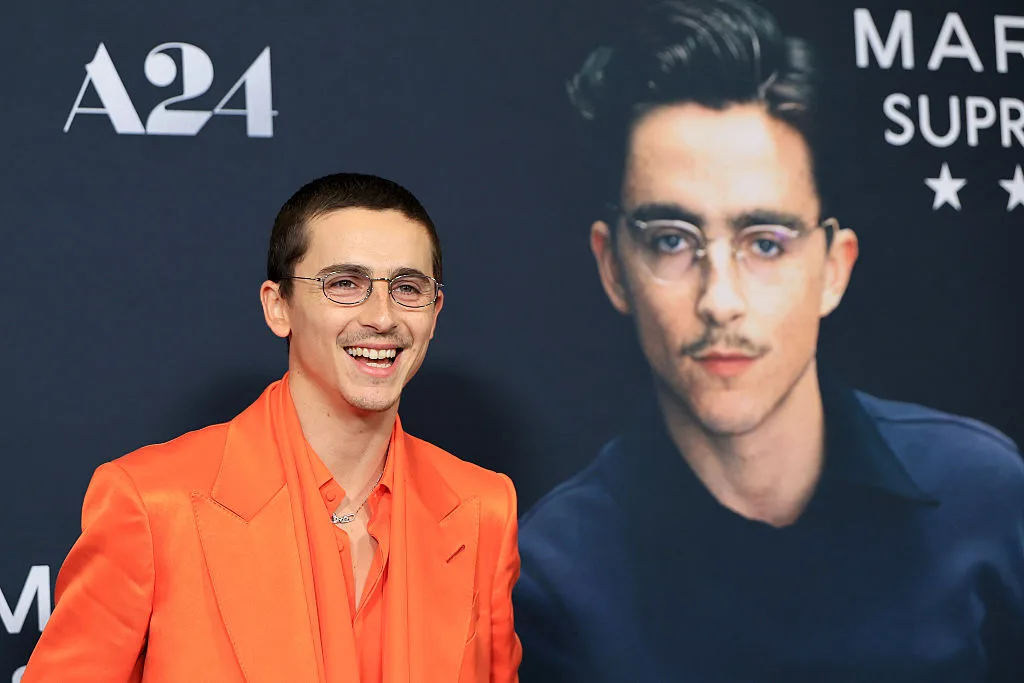
A24 has made a name for itself with films like Backrooms, Marty Supreme, and the Oscar-winning Everything Everywhere All at Once [1, 2, 4]. Backrooms has grossed over $300 million worldwide, becoming the studio’s biggest hit to date [7, 8]. The studio currently holds a valuation of about $3.5 billion after recent funding rounds [8, 4].
Other major entertainment companies like Netflix and Amazon have also been exploring AI tools to assist filmmaking, making A24’s partnership with Google part of a growing trend in the industry [1, 2, 3]. However, some filmmakers remain wary of AI; Kane Parsons, director of Backrooms, said, “Generative AI feels less like innovation than a symptom of a broader cultural and economic rot. I get no enjoyment out of using the technology on any project” [5, 9, 8].
The partnership launched officially on June 22, 2026, signaling the start of a collaborative effort to integrate AI into movie production workflows while maintaining creative freedom [1, 2, 3, 4].