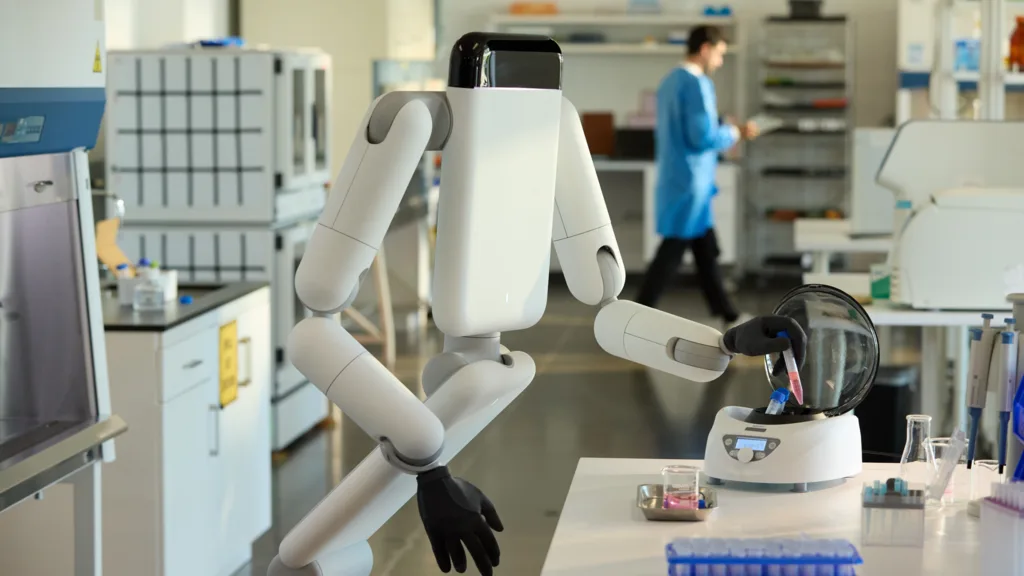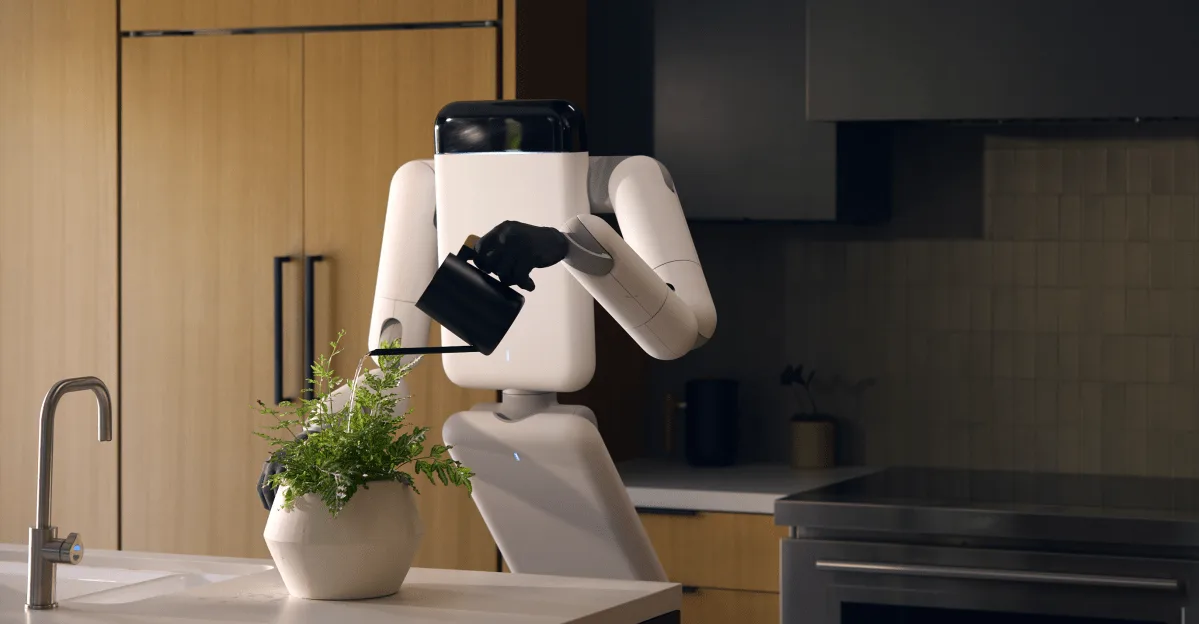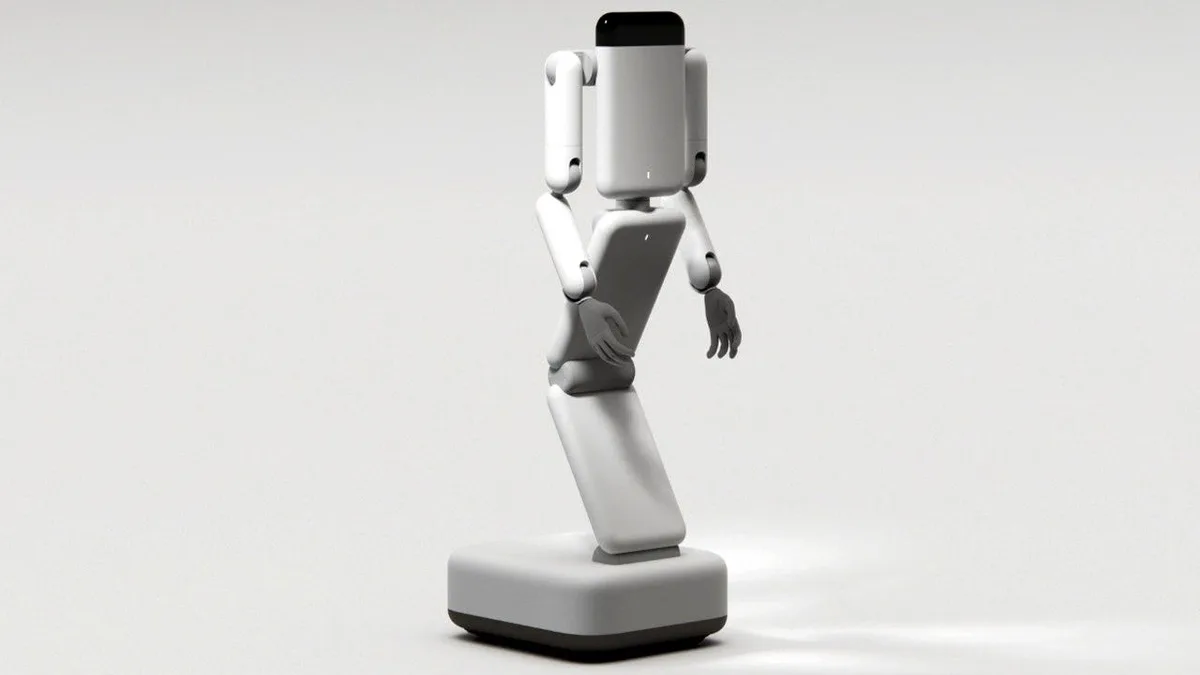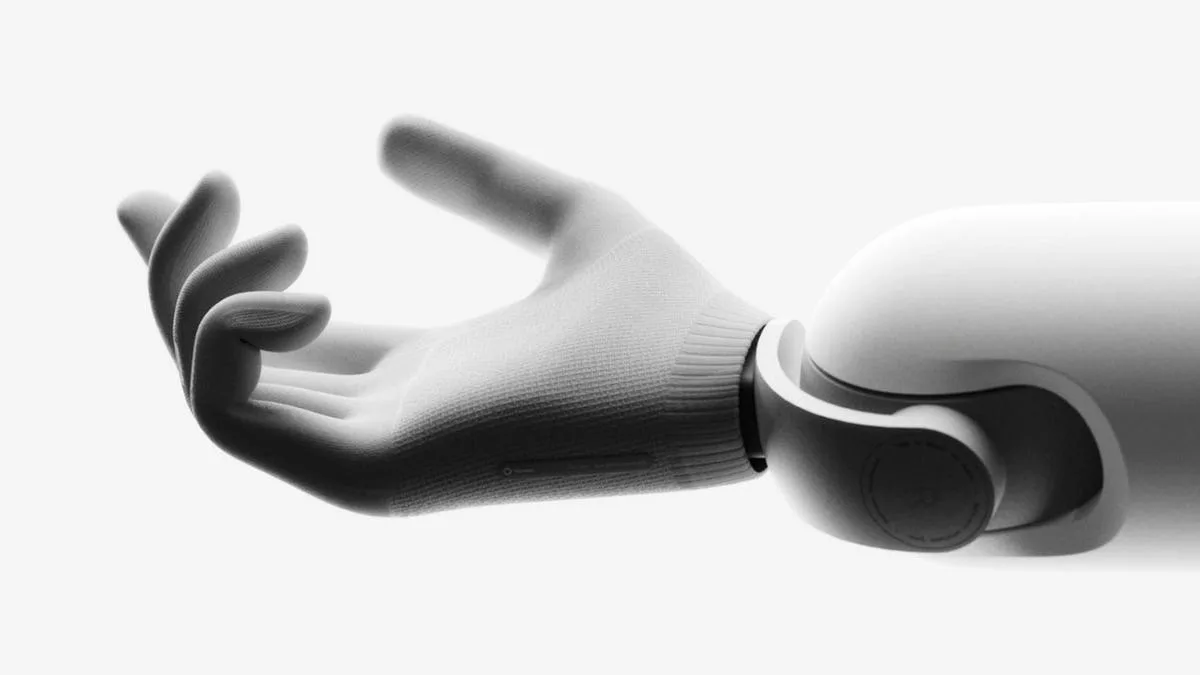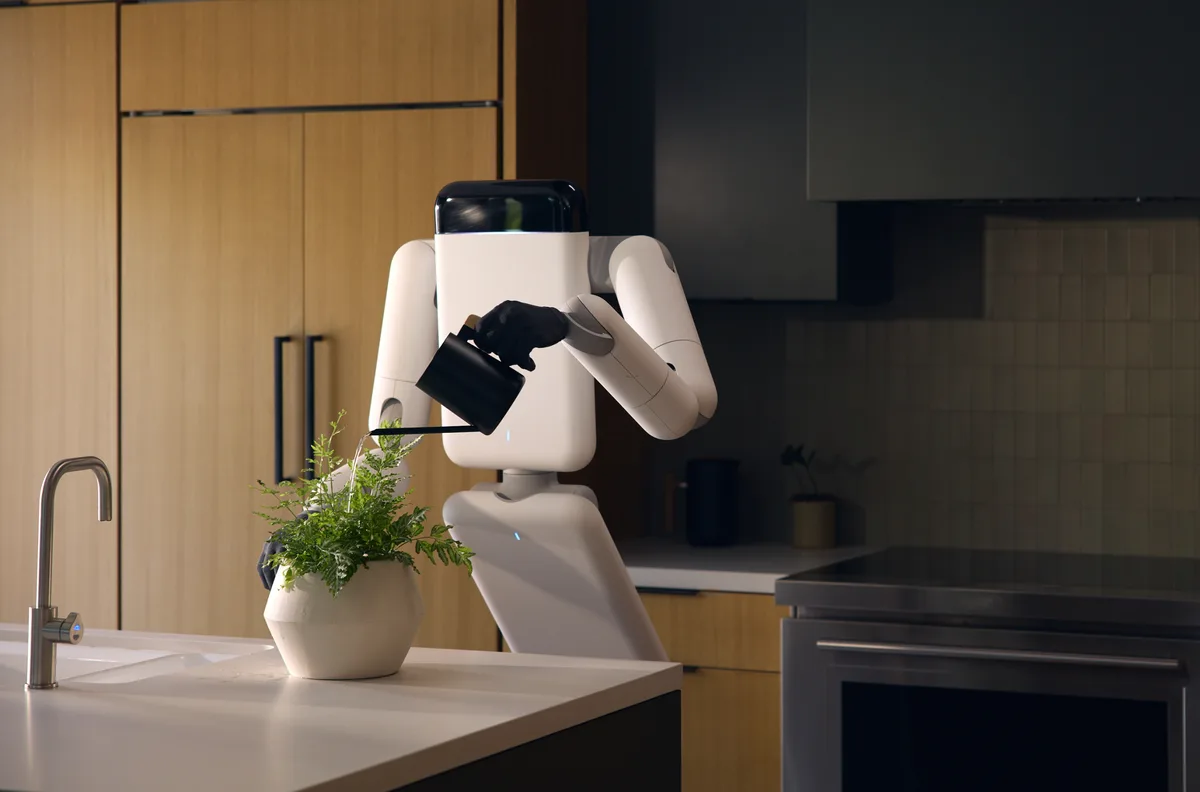
French robotics startup Genesis AI revealed its first general-purpose robot, named Eno, on June 16, 2026. The robot features a wheeled base, a foldable tower, and dexterous hands modeled after human hands, designed to extend human capabilities rather than mimic human form [1, 2, 3].
Eno’s wheeled base was chosen based on industrial customer feedback favoring wheels for reliability, cost, and simplicity on flat floors, instead of legs [1, 3]. The robot’s articulated, foldable body allows adjustment of height and reach or folding after work [1, 3].
Powered by a proprietary AI model developed by Genesis AI, Eno can reason through tasks and adjust to changing conditions, moving beyond pre-programmed instructions [3]. The company’s Vice President Vivian Sun said dozens of Eno units have been built and production will scale up in the second half of 2026 [1].
Genesis AI was founded in early 2025 and has raised $105 million (€90.6 million) in seed funding, one of France’s largest seed rounds [1]. The company plans to begin production and targeted customer deployments of Eno by late 2026, focusing first on logistics, manufacturing, laboratories, hospitals, hotels, and consumers [1, 2].
Eric Schmidt, former Google CEO and an investor in Genesis AI, said the robot will amplify human expertise rather than replace it and called it “one of the largest economic opportunities of the AI era” [1].