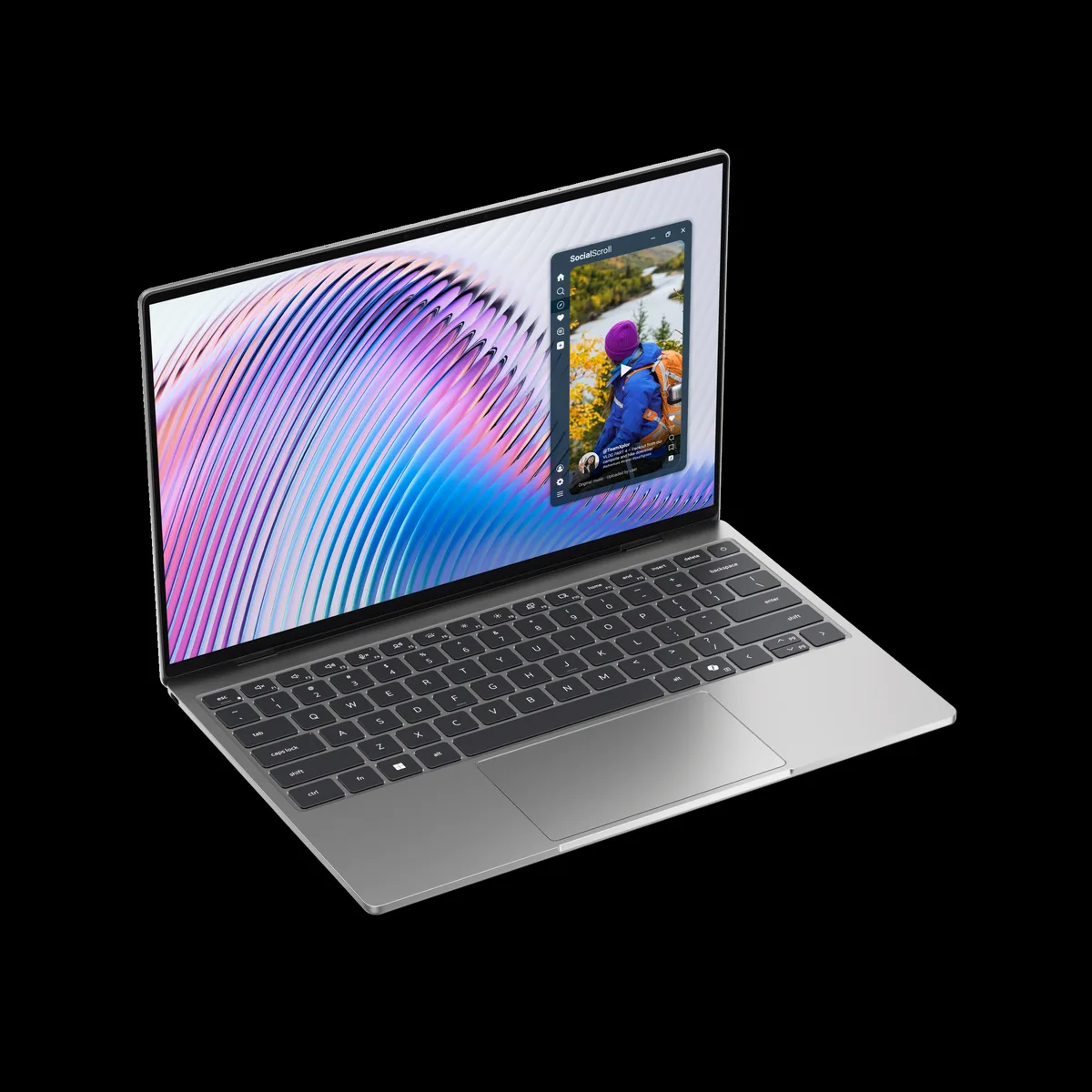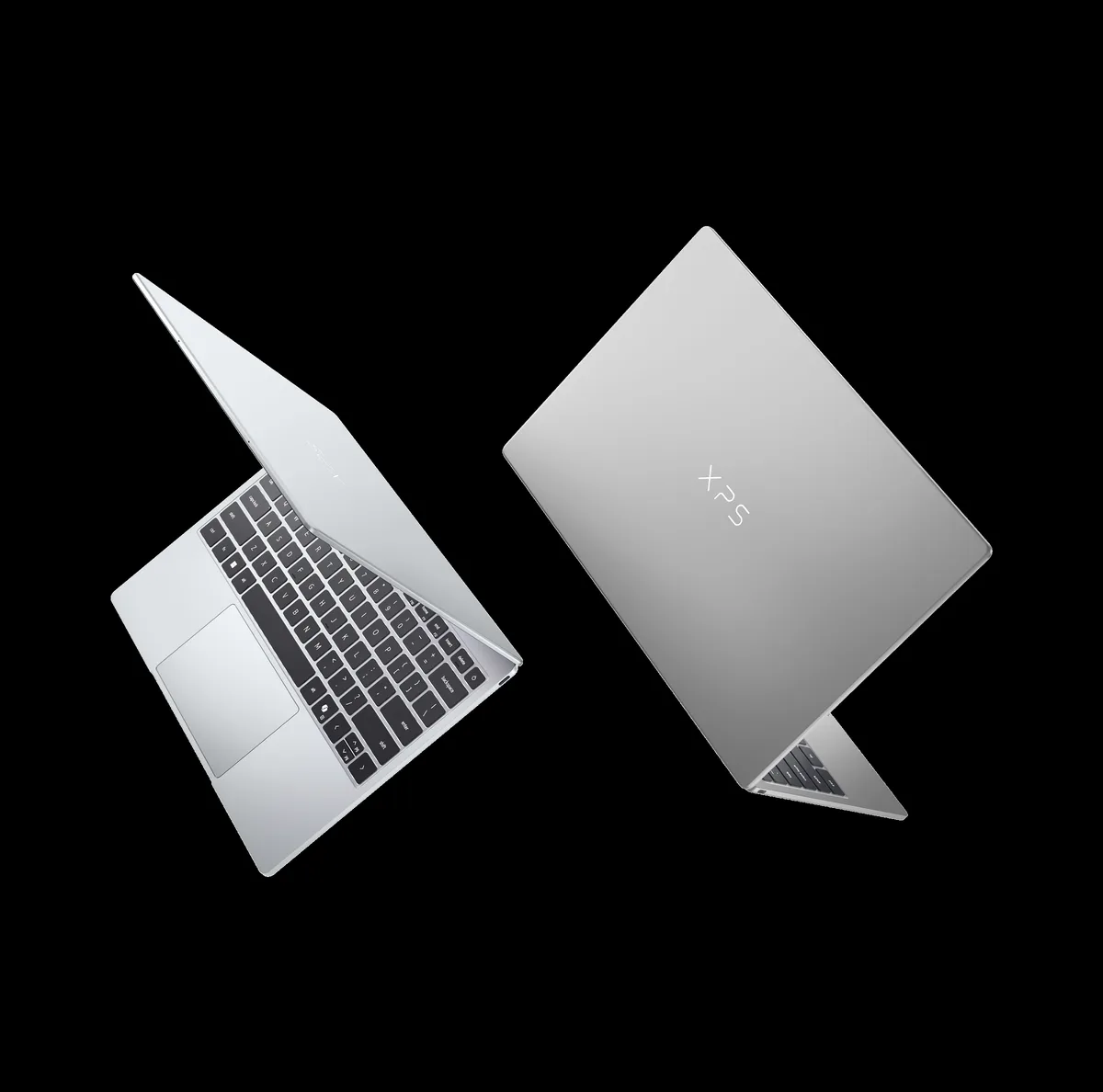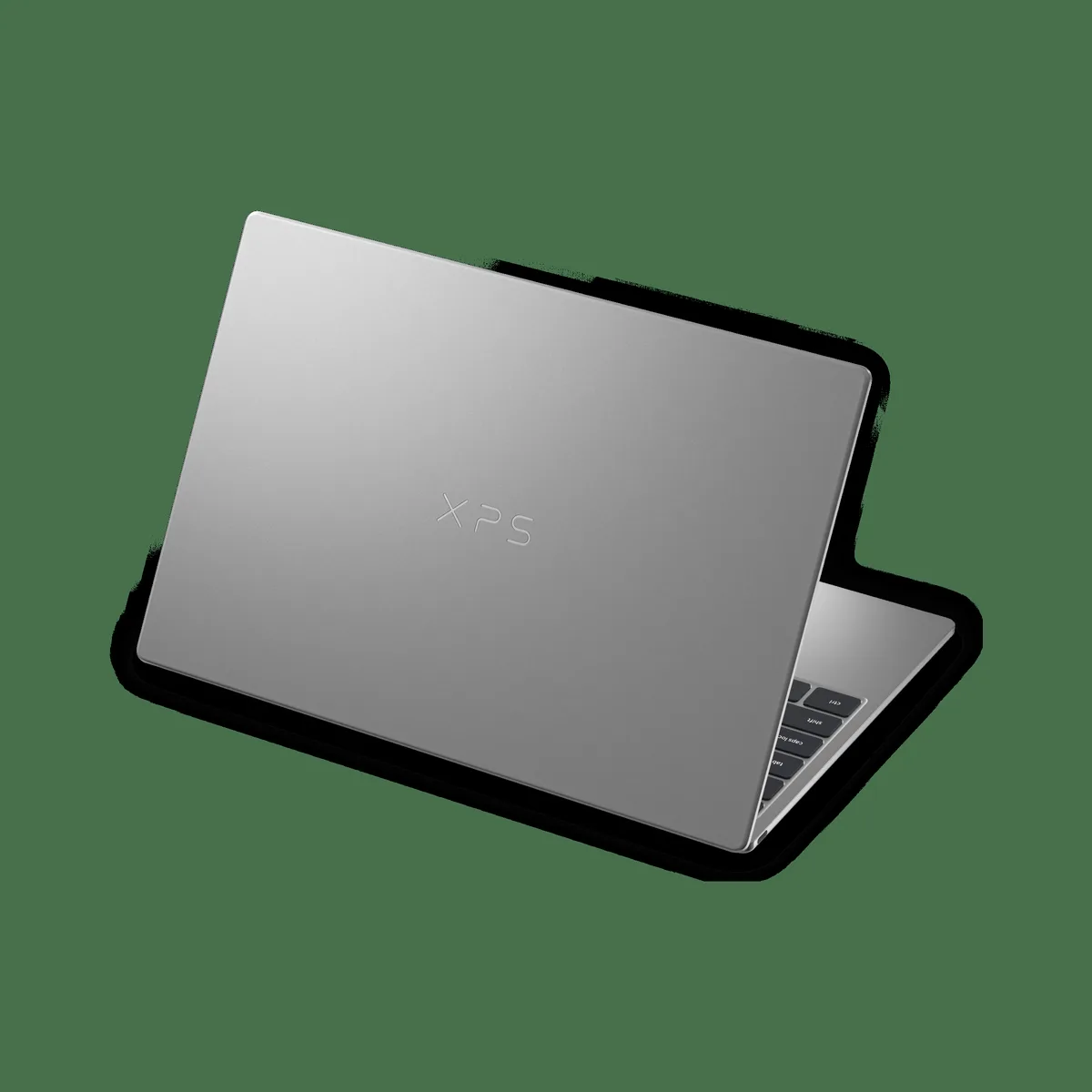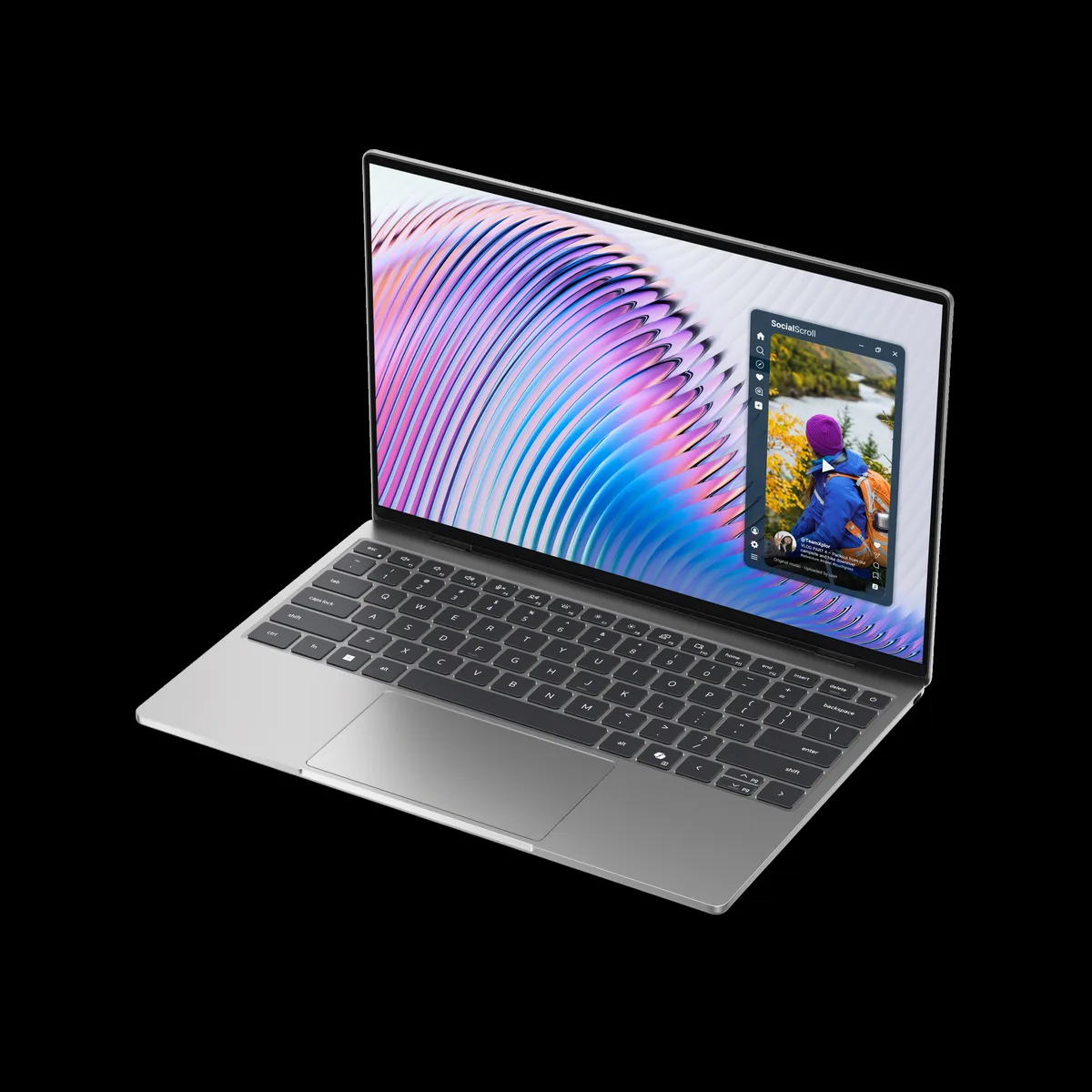
Dell officially launched the redesigned XPS 13 laptop on June 1, 2026, targeting students and budget-conscious users in the US market [1, 2, 3, 4, 5, 6]. The new model is the thinnest and lightest version in the XPS 13 line, measuring 12.7 mm thick and weighing approximately 2.2 pounds (1 kg) [2, 3, 4, 5, 6].
The base student model starts at $599 for buyers aged 16 and older, while the retail price for general customers begins at $699 [1, 2, 3, 5, 6]. Pricing comparisons with Apple’s MacBook Neo vary, with some reports stating the MacBook Neo can cost between $499 and $599 for education customers, occasionally making it about $100 cheaper than Dell’s student price [2, 3, 4, 6].
Equipped with an Intel Core Series 3 'Wildcat Lake' CPU, the base XPS 13 includes 8GB of RAM and storage options of 256GB or 512GB. Dell plans to release higher-end configurations with up to 32GB RAM, 1TB storage, and the newer Intel Core Ultra Series 3 'Panther Lake' processors later this summer [1, 2, 3, 5, 6].
The laptop features a 13.4-inch 2.5K touch display with 2560x1600 resolution, a variable refresh rate from 30 to 120 Hz, 500 nits of brightness, and 100% DCI-P3 color coverage [1, 2, 3, 4, 5]. Additional features include a backlit keyboard, quad speakers, Wi-Fi 7 connectivity, and two USB-C ports; however, it lacks a 3.5 mm audio jack [1, 2, 3, 4, 5].
Dell claims the XPS 13 achieves up to 17 hours of streaming battery life, slightly exceeding the MacBook Neo’s 16-hour rating [2, 3, 4, 5]. The base model uses a fan-cooled design, unlike Apple’s fanless MacBook Neo [5].
Jeff Clarke, Dell’s chief operating officer, publicly compared the new XPS 13 with the MacBook Neo, saying, "I’ll give them credit. It’s a good product, and it validates the market we’ve been talking about. The difference is we’ve built something better" [3]. Clarke also remarked, "Students and consumers deserve an affordable and quality choice, and we agree on that" [6].
At the January 2026 CES event, Dell announced plans to relaunch the XPS 13 and compete aggressively across various PC price tiers [4, 6]. Dell’s main competitors for the new XPS 13 are Apple’s MacBook Neo and Acer’s Swift Air 14, which also starts at $699 [3, 4].
Later this summer, Dell will roll out higher-end XPS 13 versions featuring Intel Panther Lake processors, Thunderbolt 4 support, and up to 32GB of RAM [2, 6]. During Computex week in June 2026, Dell is expected to unveil a more powerful XPS model equipped with discrete Nvidia graphics, an OLED display, HDMI output, and an SD card slot [2].