In recent weeks, college graduates across the US have booed commencement speakers who endorsed artificial intelligence during graduation ceremonies [1, 2, 3]. Viral clips showed students reacting negatively to optimistic speeches about AI’s future role in society and the workforce [1, 2, 3].
Among the booed speakers was former Google CEO Eric Schmidt, whose positive stance on AI drew particular criticism from students concerned about the technology’s impact on jobs [2, 3]. The graduates appeared conflicted, widely using AI tools but wary of how automation could affect employment prospects and society at large [2, 3].
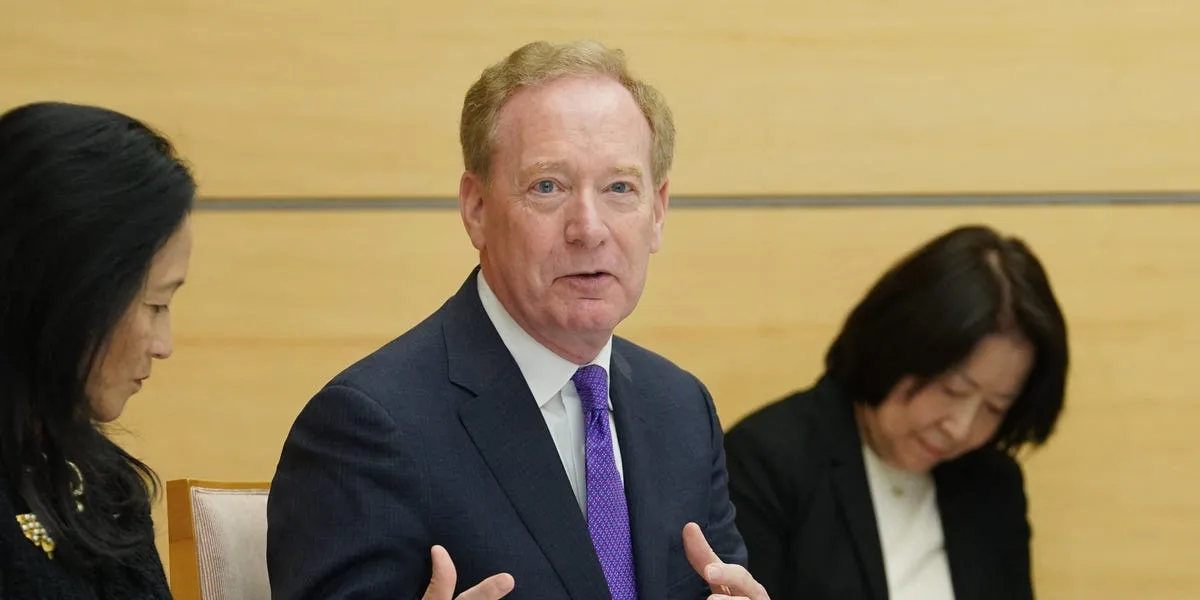
Microsoft President Brad Smith addressed the backlash in a blog post published between June 10 and June 11. He called the student response a "wake-up call" for the tech industry and urged leaders to "raise the bar" on how they develop and promote AI [1, 2, 3]. Smith said, "Graduating students who grimace or even boo at references to AI are telling us what we need to hear, that it’s time once again to raise the bar" [2].
He added that the younger generation rejects a future where "computers replace jobs, and AI becomes more capable than people," declaring their response as "Not so fast" [3]. Smith emphasized AI’s best use is to augment human capabilities rather than replace them, stating, "AI often is at its best when we use it to strengthen existing human capabilities and endeavors. In short, people can use AI to make themselves better" [3].
Following the backlash, Microsoft and other tech leaders have shifted their messaging to position AI as a tool to enhance productivity instead of displacing workers [3]. Meanwhile, Microsoft AI CEO Mustafa Suleyman has predicted that AI could fully automate computer work within 12 to 18 months [3].
Smith’s blog post on the topic exceeded 3,100 words and represents Microsoft’s most detailed public response to growing skepticism about AI from the next generation entering the workforce [2].