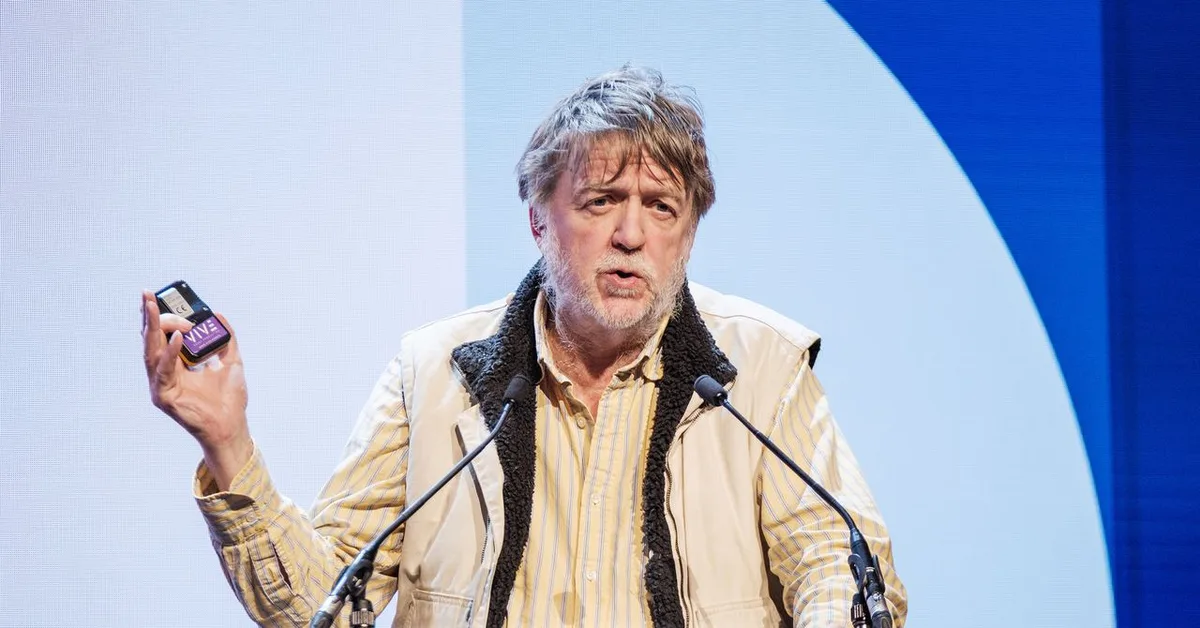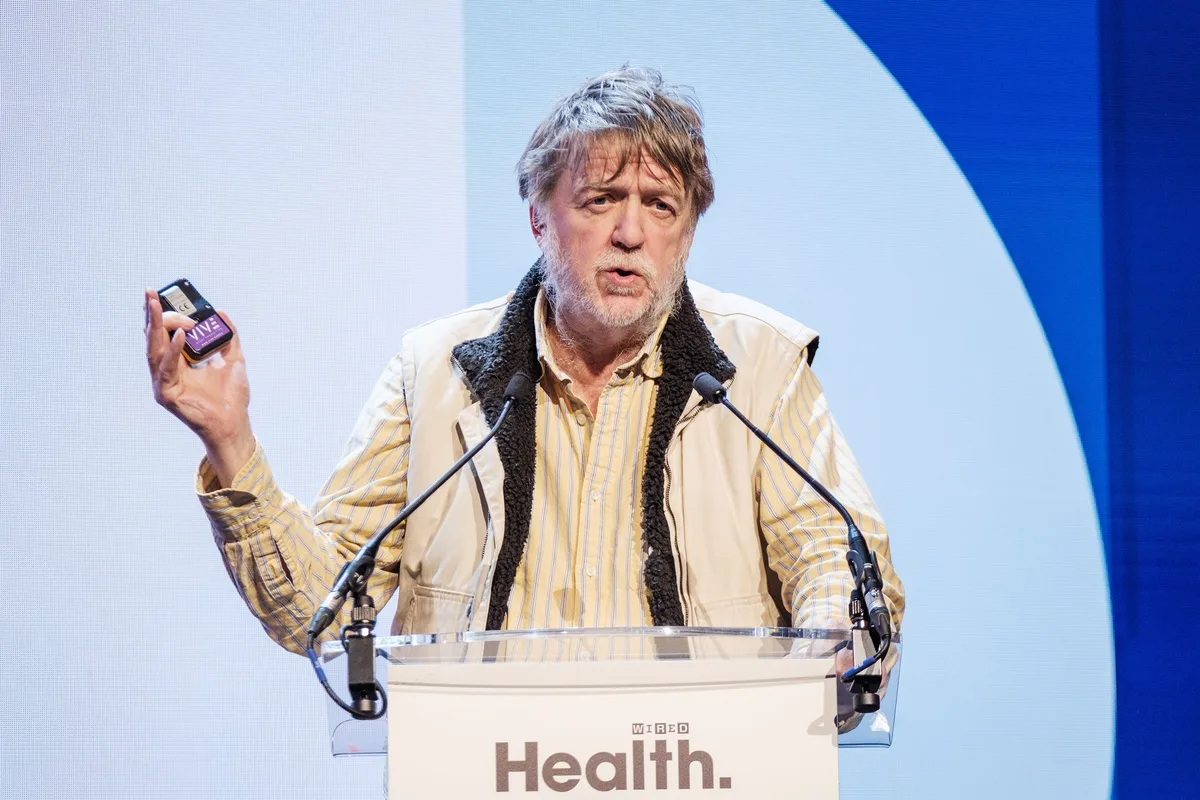
John Hardy, a leading Alzheimer’s researcher, said progress in treating the disease requires more effective drugs, improved diagnosis, and stronger political will. He spoke about these challenges in April 2026 at WIRED Health in the US [1].
Hardy was key in identifying the central role of amyloid plaques in Alzheimer’s disease during the 1990s. He said, "That was the mistake [the scientific community] made," referring to early antibody drugs that failed to remove amyloid deposits in patients who already had the disease [1].
Newer drugs like donanemab and lecanemab, Hardy explained, can clear amyloid that has already formed. He called the 2022 lecanemab trial results a milestone, showing for the first time that a drug could slow cognitive decline in Alzheimer’s patients. "But now, finally, we've got somewhere," he said [1].
Hardy noted the disease usually progresses over about eight or nine years. He said lecanemab might extend this to 11 or 12 years, adding, "The problem: It hasn’t stopped the disease, it’s slowed it. It makes a difference in time. But we've clearly got to get better" [1].
He stressed the need for better diagnosis to catch the disease early and stronger political support to advance research and treatment. "We now know what drugs need to do," Hardy said. "We’ve got to get better," he added, calling earlier optimism "naively optimistic" [1].
Hardy’s comments highlight ongoing challenges despite recent drug advances. The next steps involve developing more effective treatments and improving detection methods to combat Alzheimer’s disease.