Elon Musk filed a $150 billion lawsuit in 2024 against OpenAI, CEO Sam Altman, and President Greg Brockman, accusing them of breaching a founding agreement by converting OpenAI from a nonprofit to a for-profit company [1, 2, 3, 4]. Musk claims he invested $38 million under the impression OpenAI would remain nonprofit but says the shift to a for-profit entity betrayed that mission and unjustly enriched the leadership [2, 3, 4, 5, 6]. He seeks removal of Altman and Brockman from their leadership roles [2, 3, 4].
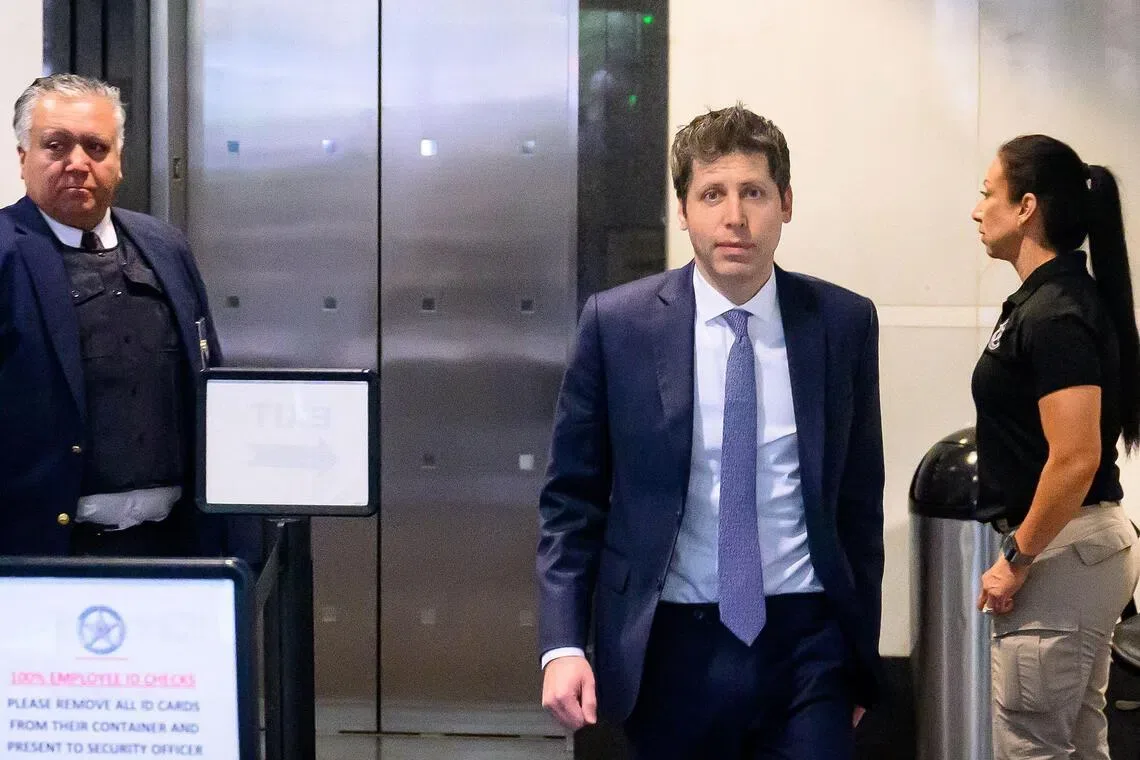
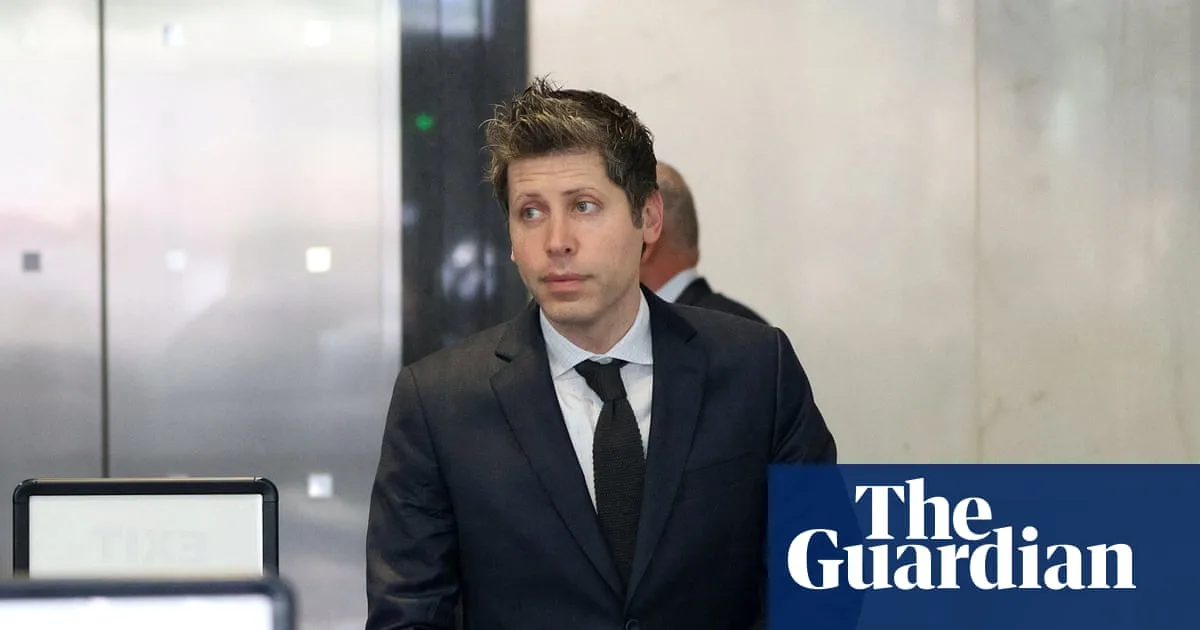
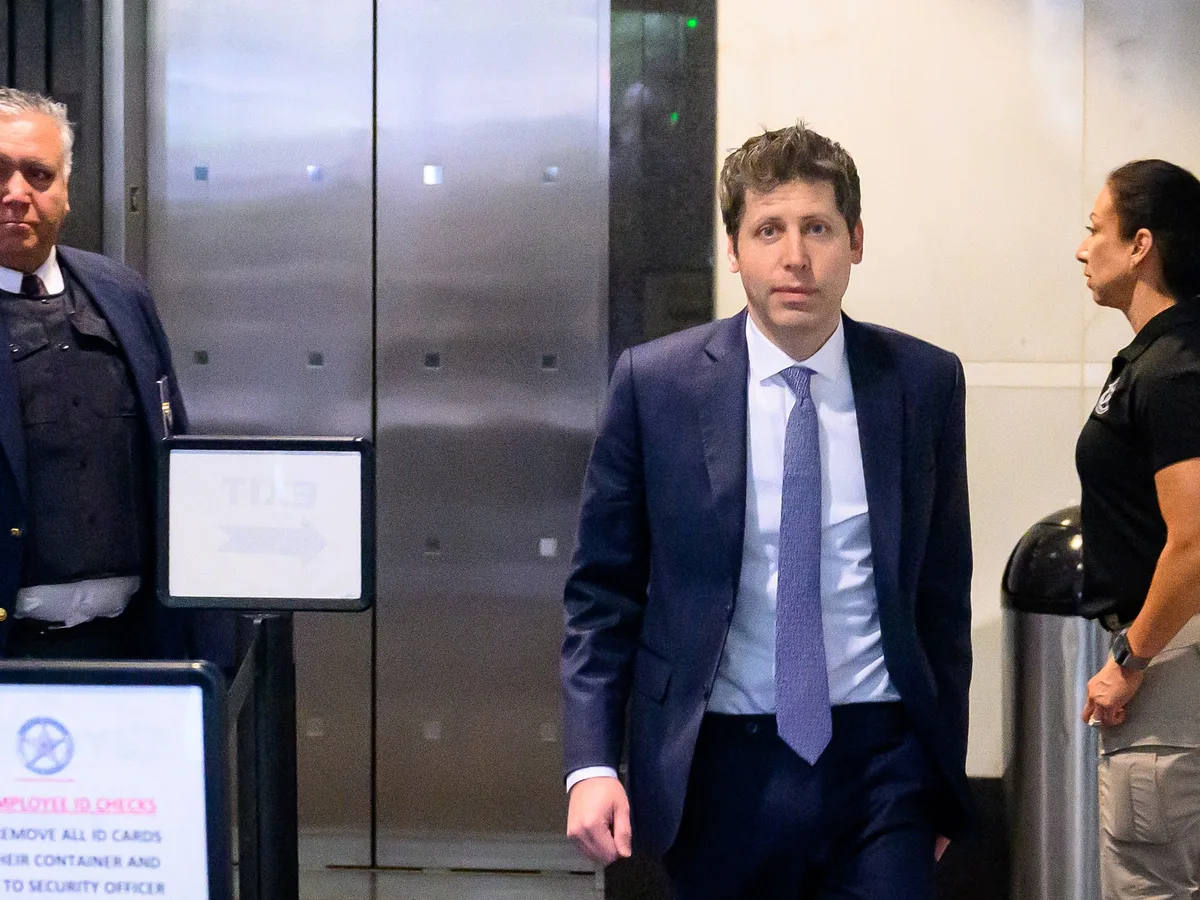
OpenAI and Altman strongly deny the allegations. Altman testified in May 2026 that Musk knew of and pushed for majority control of OpenAI's equity, initially demanding up to 90 percent, which Altman rejected [2, 3, 7, 4]. "It feels difficult to even wrap my head around that framing. We created one of the largest charities in the world," Altman said during testimony [7]. He also said Musk's management style demotivated key researchers [6]. OpenAI counters that Musk's claims reflect jealousy over losing control [1, 2, 8].
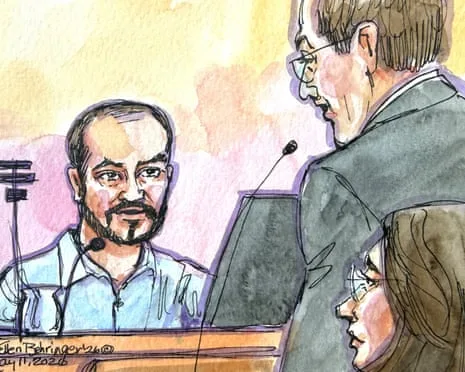
The legal battle opened in late April 2026 in federal court in Oakland, California, and reached closing arguments by May 14, 2026 [1, 8, 9]. Testimony revealed intense internal struggles, including Altman's brief ouster as CEO in 2023 followed by a reinstatement five days later [1, 10]. Musk was placed on court "recall status" to remain available for testimony but traveled to China in early May 2026 with former President Donald Trump without explicit court permission [11, 9].
OpenAI was cofounded in 2015 by Musk, Altman, Brockman, and others as a nonprofit AI research group [2, 7, 6]. Musk left the board in February 2018 after disputes over funding and control [2, 6]. OpenAI created a for-profit arm in March 2019 to raise capital and commercialize AI technology [2, 3]. Major investor Microsoft raised concerns about dependence on OpenAI, renegotiating contracts to protect its interests [12].
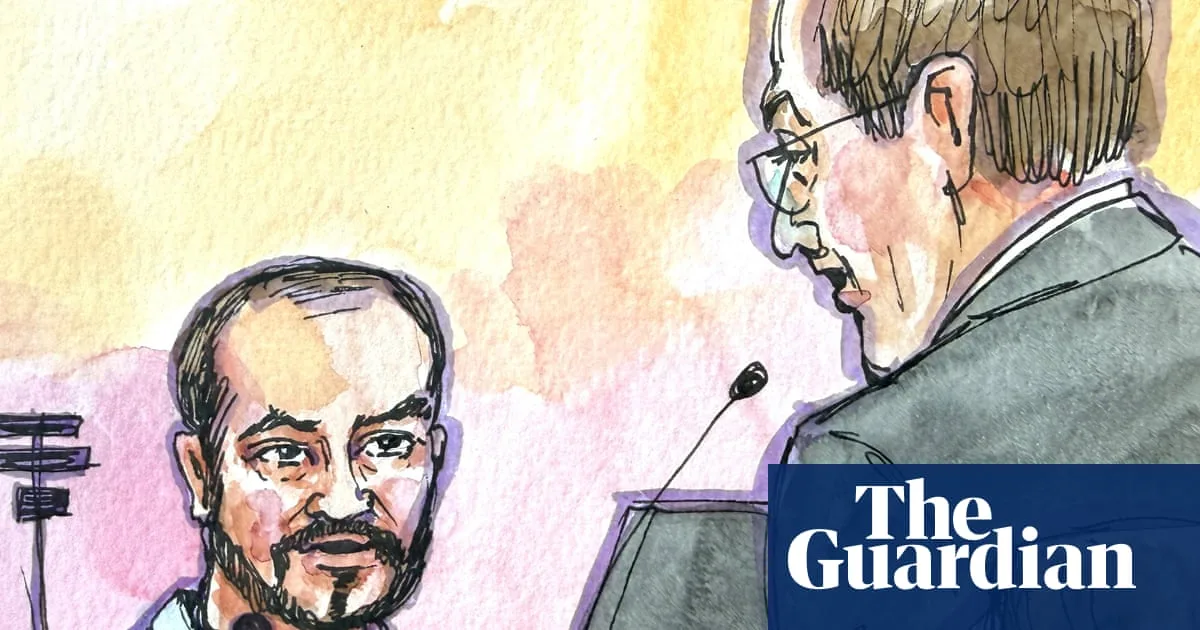
Musk's lawsuit states OpenAI’s potential public valuation could hit $1 trillion. His lawyer dismissed Altman's credibility in court, telling jurors, "If you cannot trust him, if you do not believe him, they cannot win. It’s that simple" [8]. Musk also warned, "If you have someone who is not trustworthy in charge of AI, I think that’s a very big danger for the whole world" [2].
The trial's outcome now awaits a ruling from the federal court after closing arguments concluded on May 14, 2026 [8, 9].