Airbnb announced the integration of boutique and independent hotels into its app, starting with thousands of properties across 20 major cities including New York, Paris, London, Madrid, Rome, and Singapore [1, 2, 3, 4, 5]. The addition aims to provide more options in cities with strict short-term rental regulations like New York and Paris [1, 2, 5].
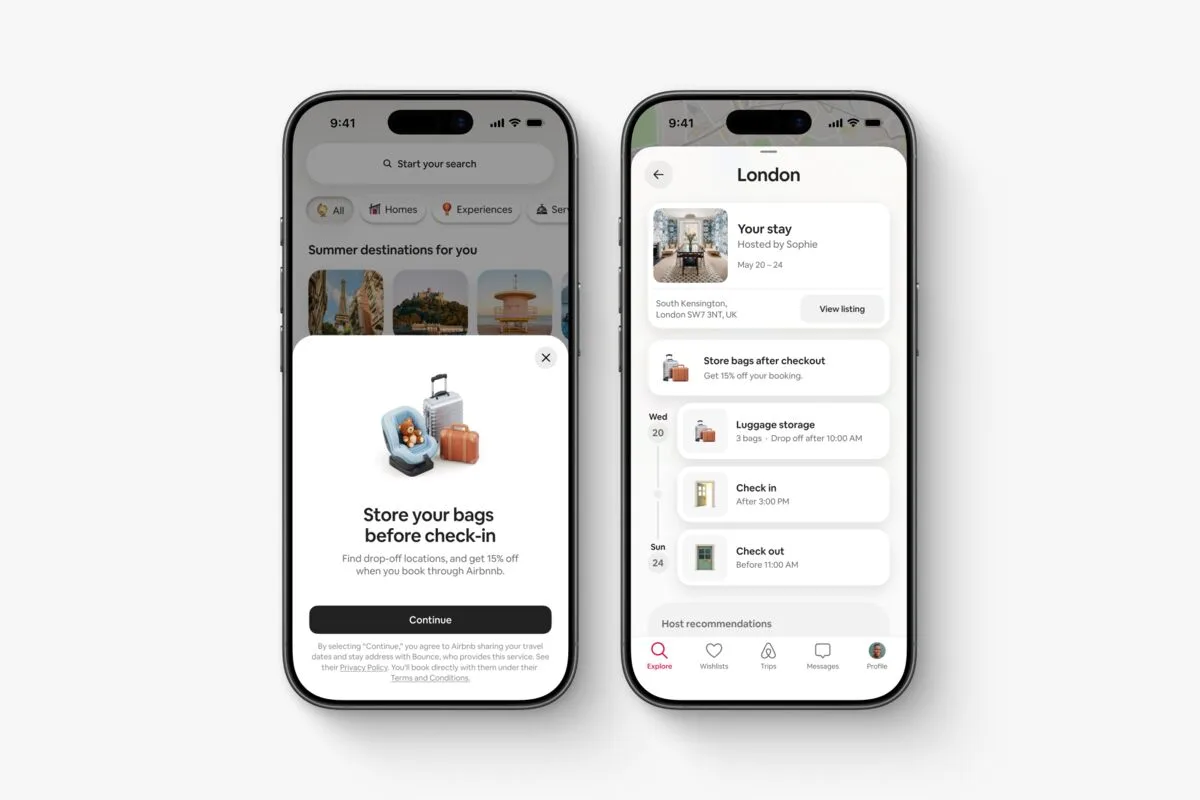
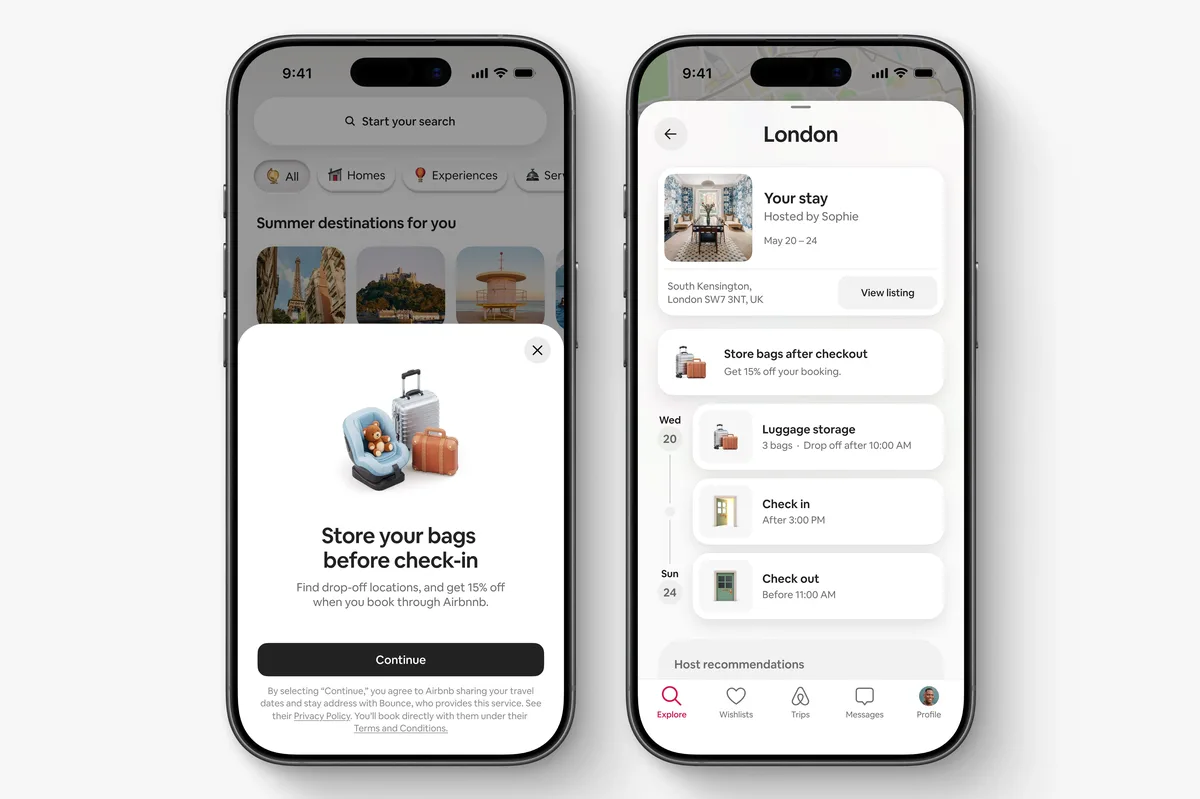
Alongside hotels, Airbnb expanded services to include luggage storage via its partnership with Bounce, which offers more than 15,000 locations in 175 cities worldwide. Customers booking luggage storage through Airbnb receive 20% credit back and can see the distance to locations from their Airbnb stays [6, 7, 4, 5].
The platform also introduced grocery delivery in over 25 U.S. cities through a partnership with Instacart, featuring free delivery and discounts to enhance traveler convenience [1, 7, 4, 5]. Car rentals will join the Airbnb app this summer, though partners have not yet been disclosed. The company said it will also expand private car pickups with Welcome Pickups beyond the U.S. [6, 1, 7, 5].
Airbnb redesigned its app to integrate stays, experiences, and these new travel services using AI-powered tools. The update includes a multilingual virtual assistant chatbot, review summaries, booking issue fixes, and plans for a voice assistant expected later this year [8, 2, 3].
Brian Chesky, Airbnb CEO, described the company’s vision as building an ecosystem akin to "Amazon for services" around travel. He said, "I imagine one day we'll have dozens, possibly even hundreds of categories, just like Amazon" [9, 8, 7]. Chesky added, "Travel shouldn't just be convenient. It should be meaningful" [1].
Jud Coplan, Airbnb’s VP of marketing, explained that hotel integration benefits certain trip types such as last-minute bookings, one-night stays, and business travel. He noted, "When we can see you’re searching for that kind of stay, we can recommend hotels without sending you to another part of the app or tapping on another tab" [2].
Airbnb reported first quarter 2026 revenue of $2.68 billion, an 18% increase over the prior year [5]. The company expects its services segment combined with experiences to contribute at least $1 billion in annual revenue growth, although this may take years to become significant [7].
Car rentals and additional AI features such as voice assistants and enhanced listing summaries are slated for launch in summer 2026 [8, 3, 5].