The United States men's soccer team begins its 2026 World Cup run on June 12 in Los Angeles against Paraguay, as co-hosts of the tournament [1, 2]. The US squad, led by coach Mauricio Pochettino, entered the competition automatically as hosts but faces questions about its readiness going into the event [1, 2]. Considered the highest-ranked team in Group D alongside Turkey, Australia, and Paraguay, the US is expected to advance to the knockout stage, having reached the last 16 in 2022 after missing qualification in 2018 [1, 2].
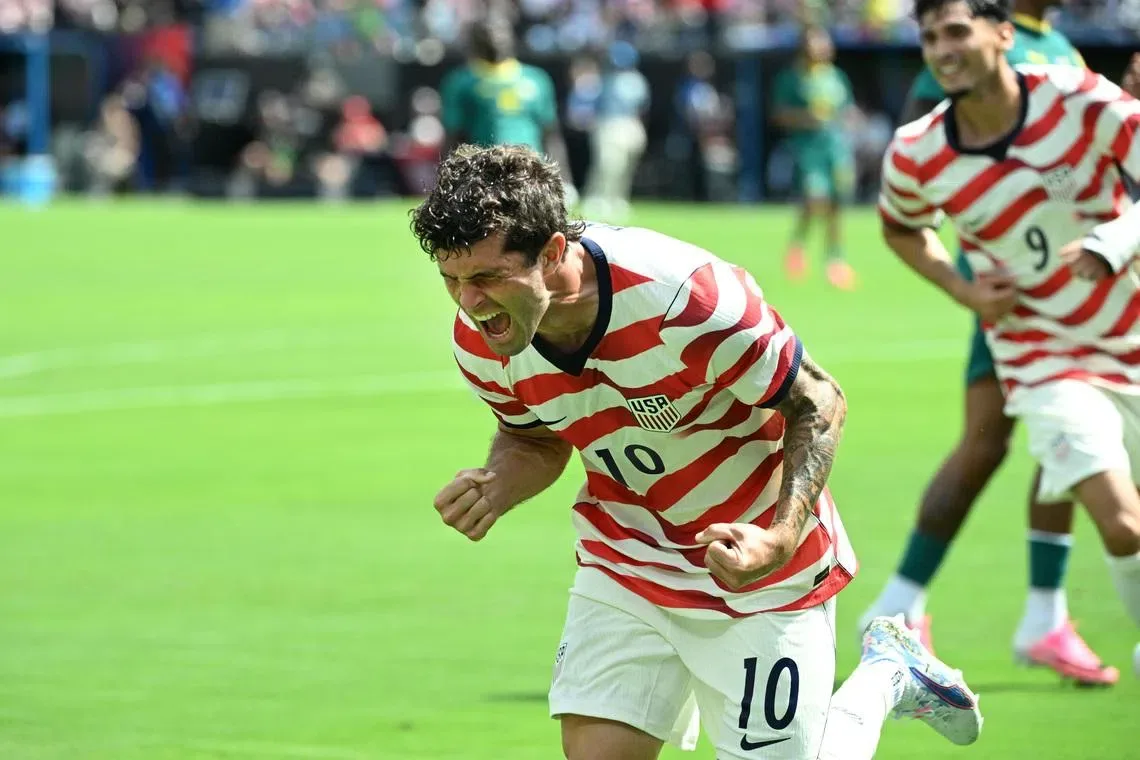
Winning Group D is a realistic goal that would give the US a more favorable knockout path, possibly including a match with Canada later in the tournament [1, 2]. Christian Pulisic, the team's most recognized player, called the current squad the strongest in US history and noted the energy the home crowds will provide. "The energy in the stadiums is going to be great. We want to take that motivation and push to make the American people proud," Pulisic said [1].
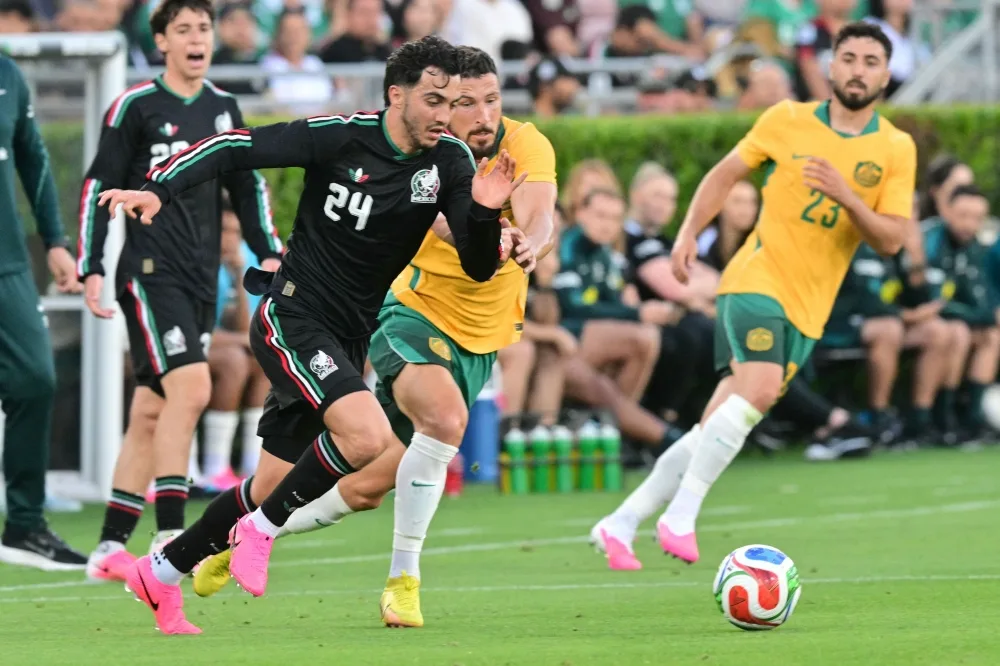
Australia, a Group D competitor aiming to disrupt the US hold on the group, expressed confidence in its chances. Australian midfielder Aiden O’Neill said the growing soccer scene in the US is exciting and stated, "We’ll come first and they can come second!" Australia’s captain and goalkeeper also view the hostile US crowds as motivation rather than a hindrance [3].
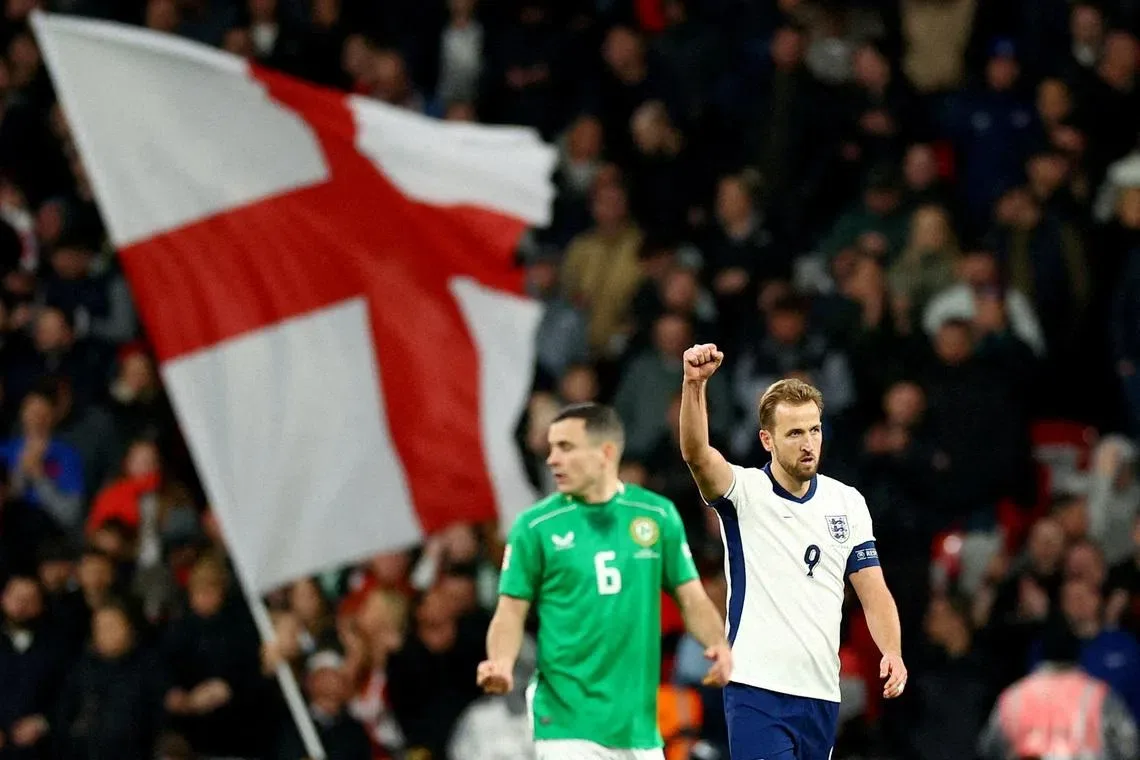
Elsewhere, England enters the tournament with notable challenges under coach Thomas Tuchel. Since January 2025, Tuchel has called up 51 different players and has yet to establish a fixed starting lineup or clear roles, particularly for key midfielder Jude Bellingham [4, 5]. The team remains heavily reliant on striker Harry Kane but has struggled to find a settled identity [4, 5].
The US men's team aims to reach at least the knockout rounds as a baseline with ambitions to leverage the World Cup’s home advantage to boost the sport’s popularity in the country and support for Major League Soccer [1, 2]. Their opening match against Paraguay on June 12 will set the tone for their campaign [1, 2].