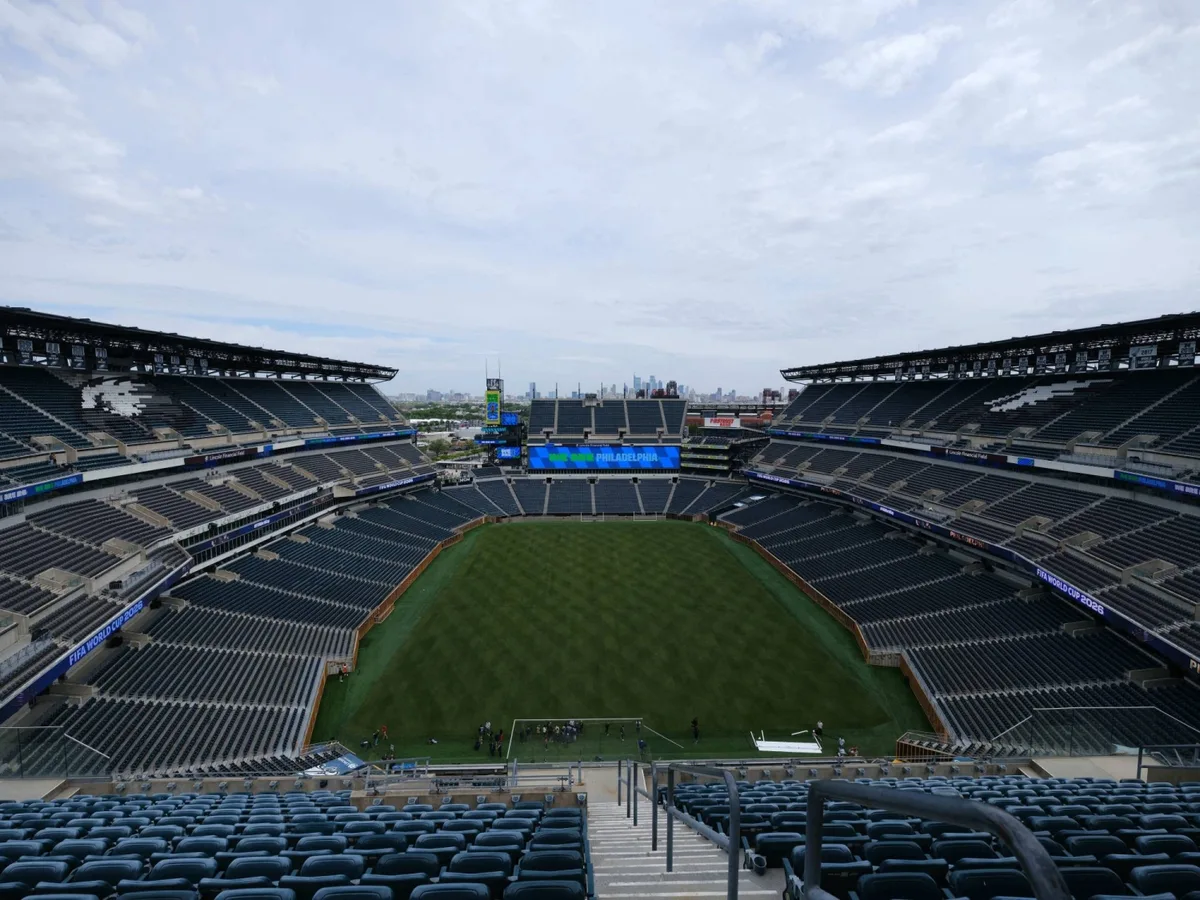
About one quarter of the 104 matches at the 2026 World Cup in the US, Mexico, and Canada are expected to be played in conditions surpassing 26°C Wet Bulb Globe Temperature (WBGT), a heat stress safety threshold used to assess combined effects of temperature, humidity, sunlight, and wind on the body's cooling ability [1, 2, 3, 4, 5, 6]. Approximately five of those matches could exceed 28°C WBGT, a level at which FIFPRO recommends postponing games to protect player safety [1, 2, 3, 4, 5, 6].
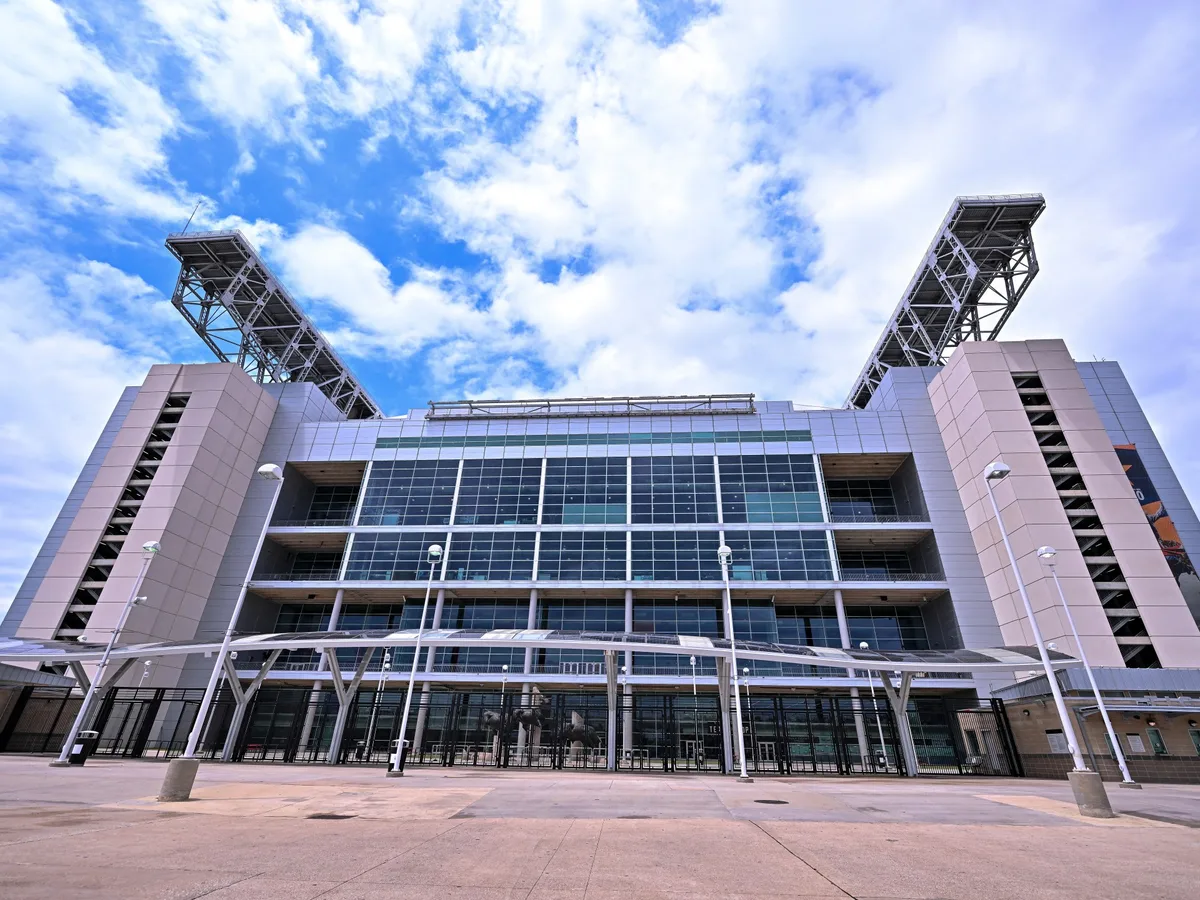
The risk of matches exceeding these dangerous heat levels is nearly double compared with the 1994 World Cup, which also took place in the US but had fewer matches above 28°C WBGT [1, 4, 5, 6]. Three stadiums hosting games—Dallas, Houston, and Atlanta—will have air conditioning, but more than a third of high-risk matches are expected at venues without cooling infrastructure [4, 5, 6].
Vincent Gouttebarge, medical director for FIFPRO, said, "The calculations to estimate the likelihood of 2026 FIFA World Cup games being played in high WBGT conditions... justify the need for—and implementation of—a series of mitigation strategies with a view to better protecting players' health and performance when they are exposed to hot conditions" [1].
FIFPRO recommends cooling breaks once WBGT passes 26°C and postponements if it reaches 28°C to mitigate heat strain. FIFA has mandated three-minute cooling breaks each half during all matches. The organization has also introduced cooling infrastructure for players and fans as well as adjusted work-rest cycles in response to heat risks [1, 7, 2, 8]. A FIFA spokesperson said, "FIFA is committed to protecting the health and safety of players, referees, fans, volunteers and staff" [1].
Besides players, spectators face elevated heat risks. Friederike Otto, co-founder of World Weather Attribution and climate science professor, noted, "It's dangerous for players, but of course there are also the fans who might gather outdoors, and they are at even more risk because they will not be taken care of by a lot of medical doctors" [4].
Chris Mullington, a consultant anaesthetist and lecturer at Imperial College London, said extreme heat will likely affect match performance more than cause health emergencies. "These players are elite athletes and acclimatised. You'll see players self-pacing. That behavioural thermoregulation is very difficult to override. So you may end up with more conservative football" [1].
The 2026 World Cup runs from June 11 to July 19 across 16 stadiums in three countries [3, 4, 5, 6]. The final on July 19 at MetLife Stadium in New Jersey has about a 1 in 8 chance of WBGT exceeding 26°C and a 2.7% chance of exceeding 28°C [5, 6].