On June 9, 2026, the NAACP announced the "Out of Bounds" campaign, urging Black athletes, recruits, fans, alumni, and donors to boycott major public university athletic programs in eight Southern states due to concerns over voting rights protections [1, 2].
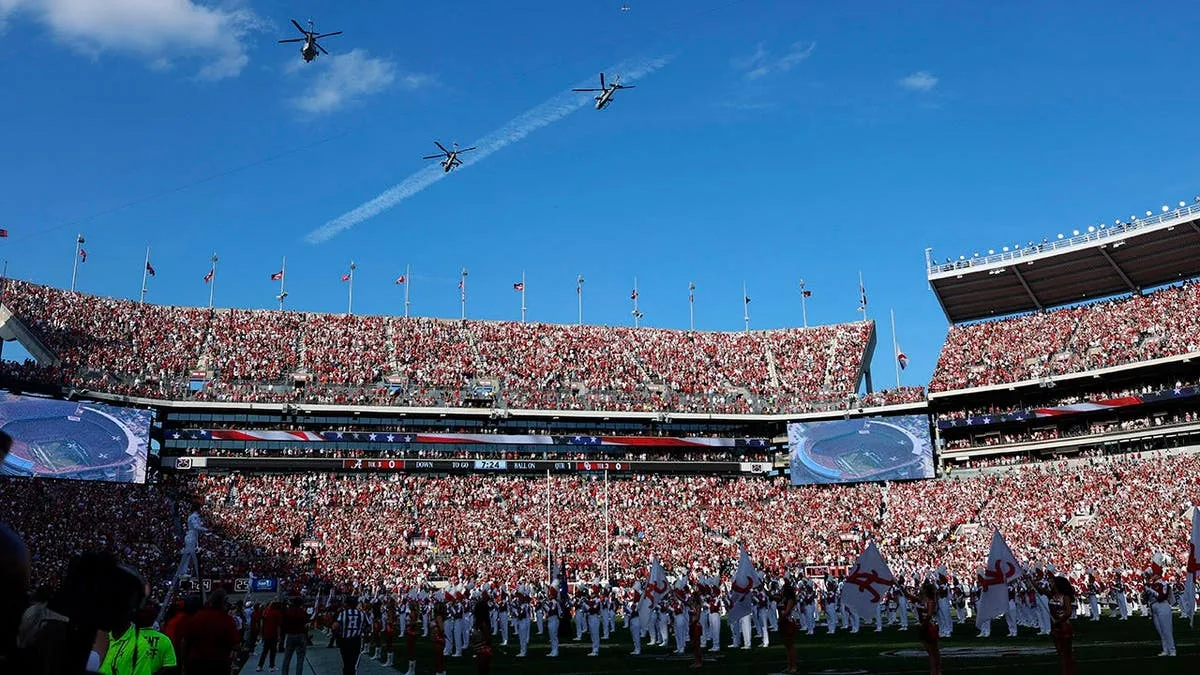
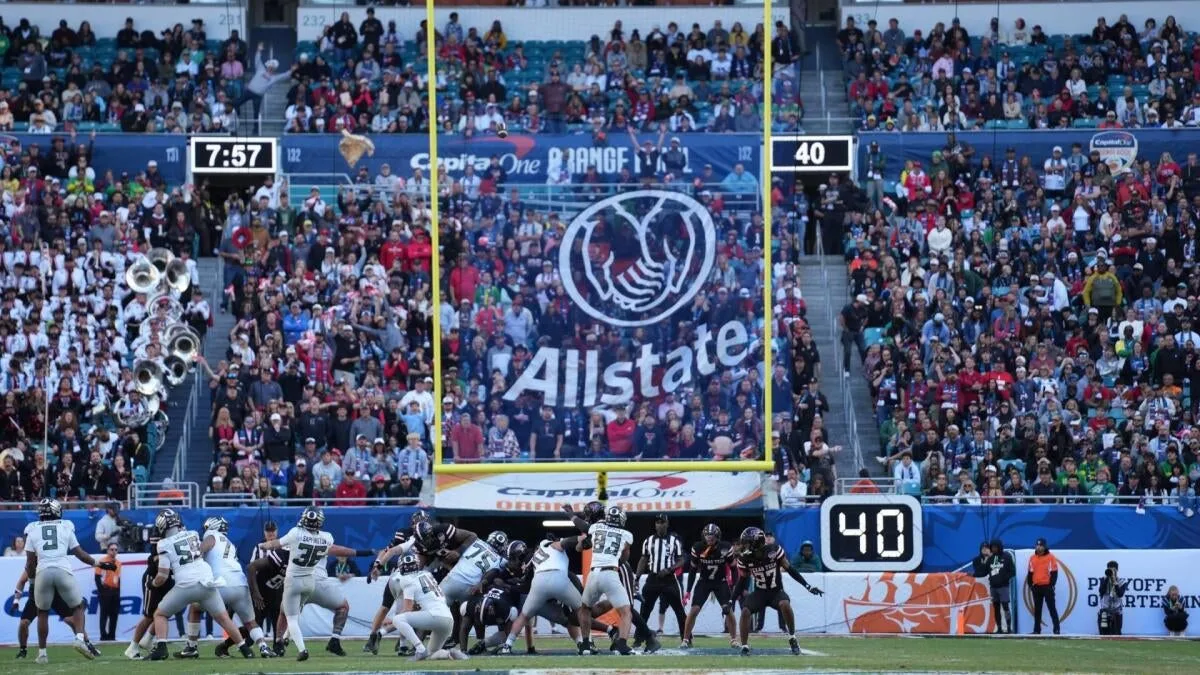
The targeted states include Alabama, Florida, Georgia, Louisiana, Mississippi, South Carolina, Tennessee, and Texas [1, 2]. The boycott focuses on flagship schools with major sports programs such as Alabama, Auburn, Georgia, Florida, Florida State, LSU, Ole Miss, Mississippi State, South Carolina, Clemson, Tennessee, Texas, and Texas A&M [1, 2].
The NAACP is calling on high school recruits to avoid committing to these programs until new congressional maps and voting protections are enacted [1, 2]. Current athletes are encouraged to publicly support voting rights, consider transferring to other programs, and use their name, image, and likeness platforms to raise awareness [1, 2].
Supporters including fans and donors are urged to redirect spending on tickets, merchandise, and NIL collectives away from targeted programs to historically Black colleges and universities (HBCUs) [1, 2].
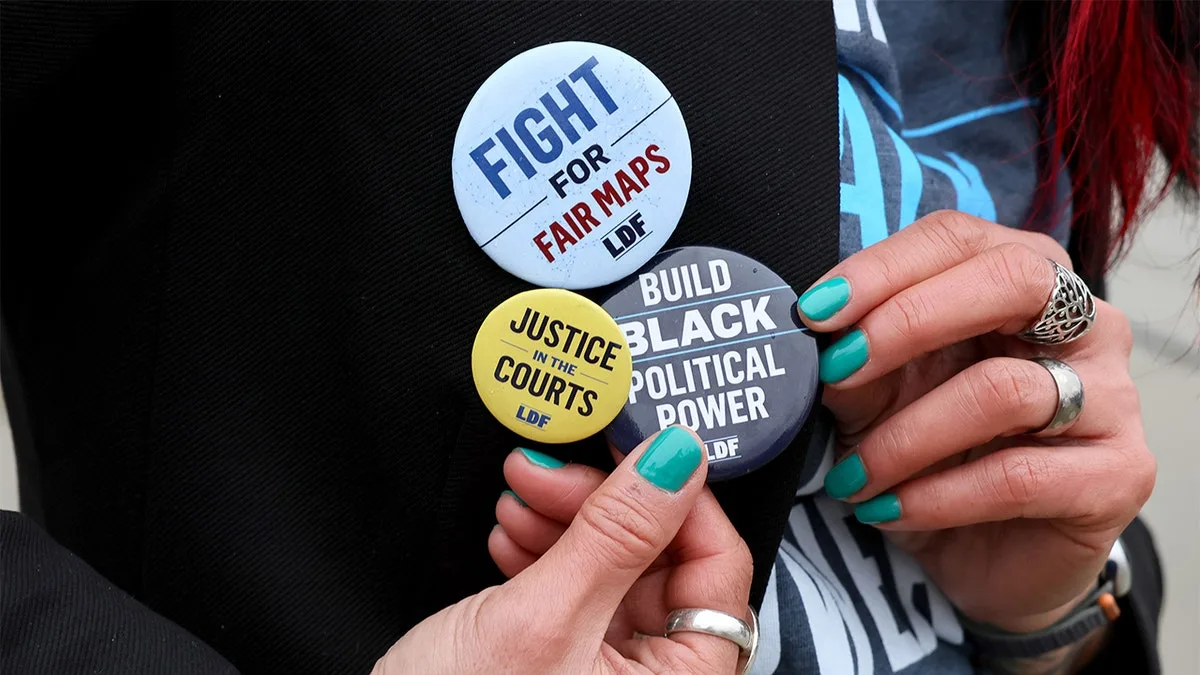
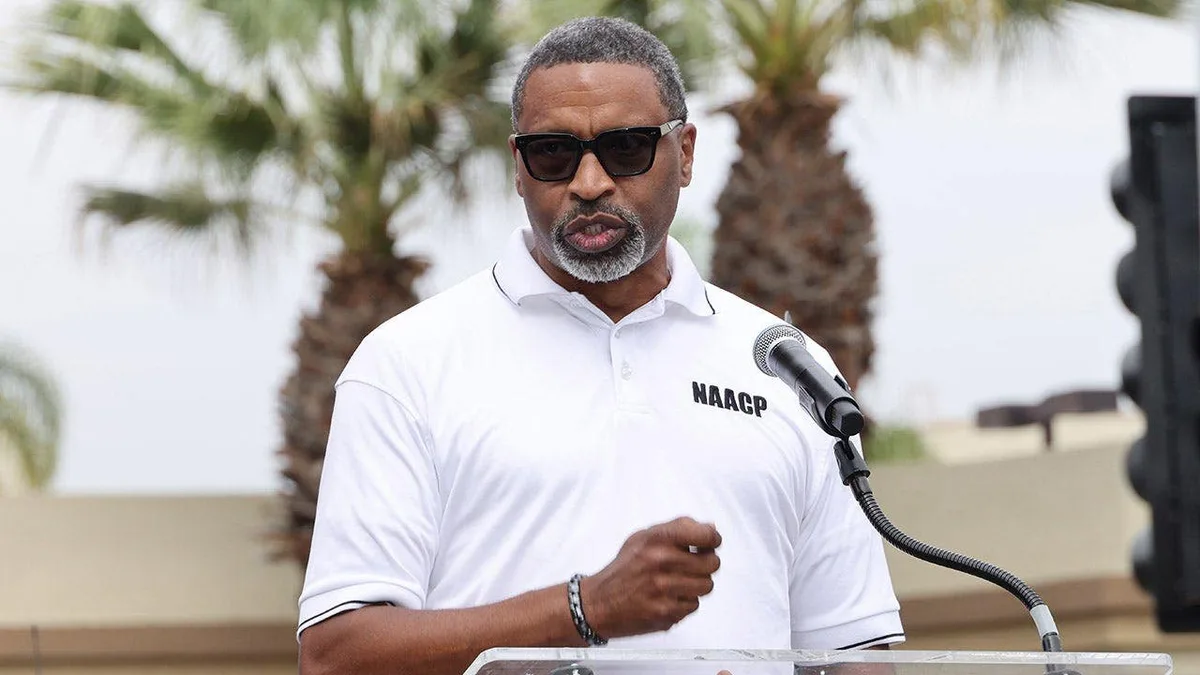
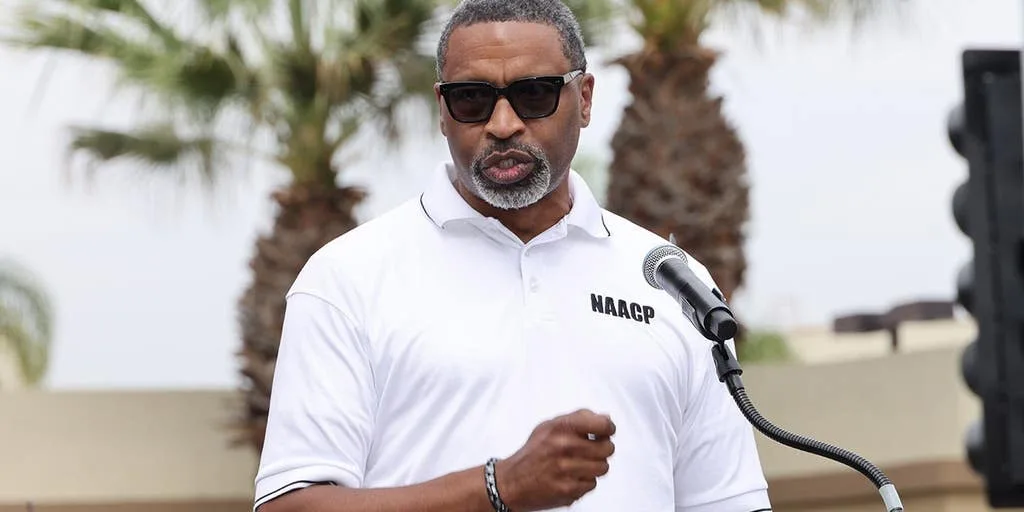
The campaign follows a U.S. Supreme Court ruling in Louisiana v. Callais that civil rights advocates say weakened protections under the Voting Rights Act, triggering redistricting efforts in the South [1, 2]. NAACP President Derrick Johnson said, "What these states have done is not a policy disagreement. It is a sprint to erase Black political power" [1]. He added, "The same power that built these programs can be redirected. And it will be" [2].
The NAACP estimates these programs generate over $100 million annually and continue recruiting Black athletes despite state actions that weaken Black voting representation [2]. The group's national director of youth and college division, Tylik McMillan, said, "This generation of Black athletes understands something that those who came before them were never afforded the chance to say so plainly: your talent is yours, and so is your community's political power" [1].
Critics characterize the boycott as a radical political agenda asking Black athletes to sacrifice their futures for political aims, reflecting disagreements over the campaign's goals [2]. However, the NAACP maintains it is a necessary civil rights action [1].
The NAACP's public call to action is ongoing, with recruitment cycles and athletic seasons in the targeted states set to unfold amid the boycott in the coming months.