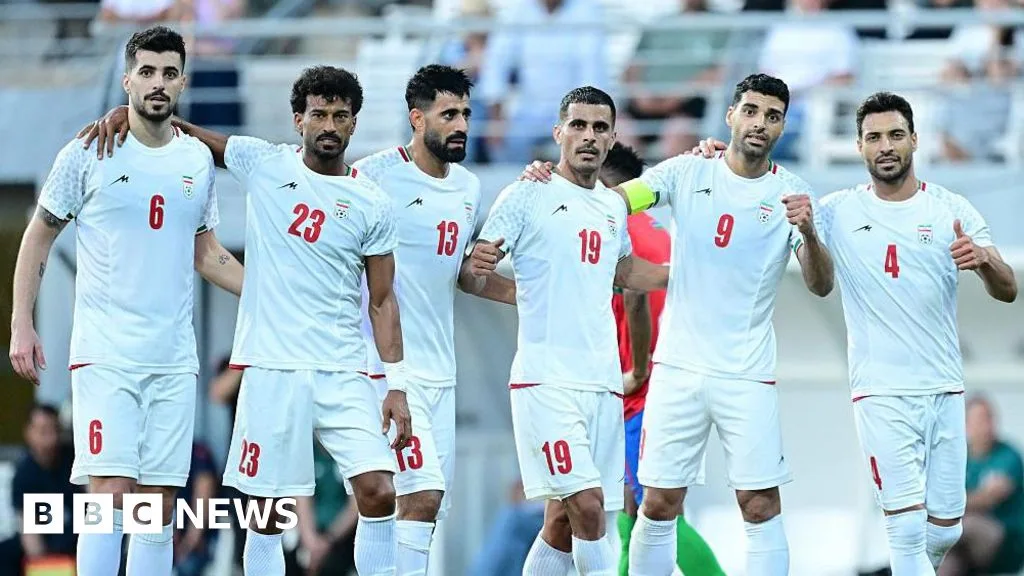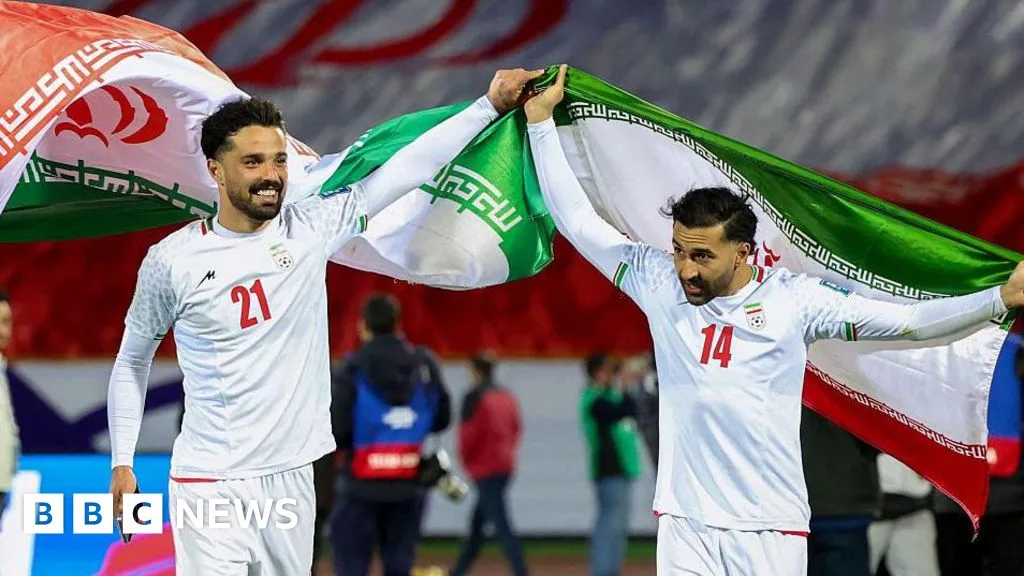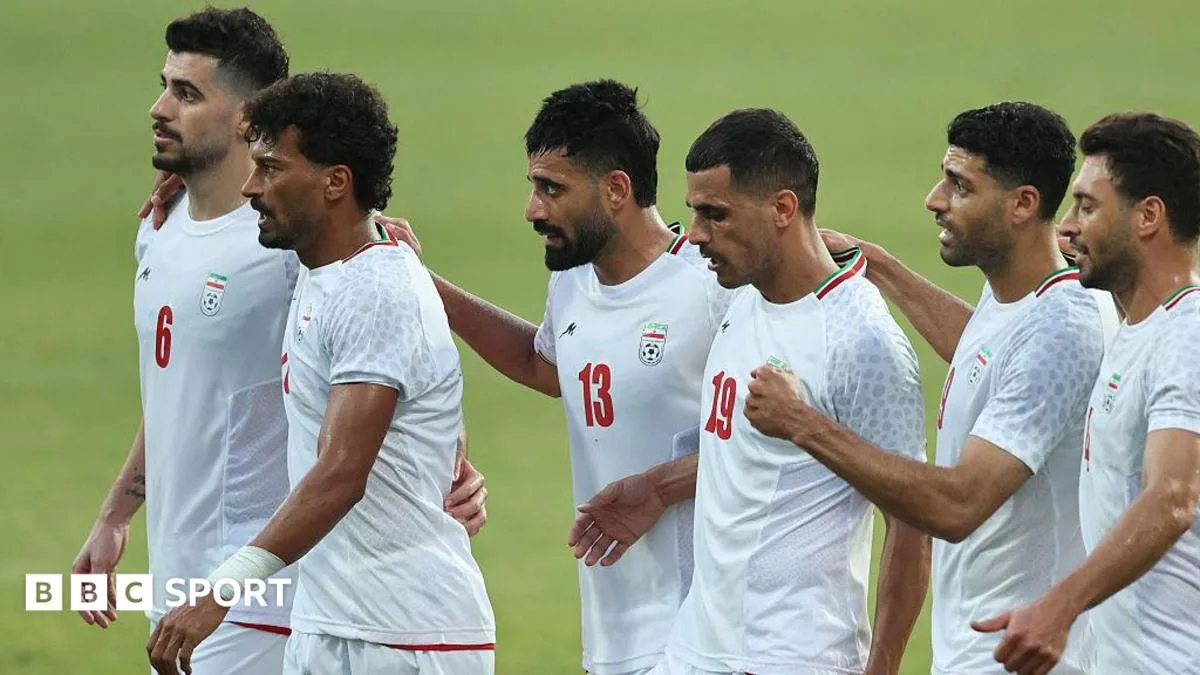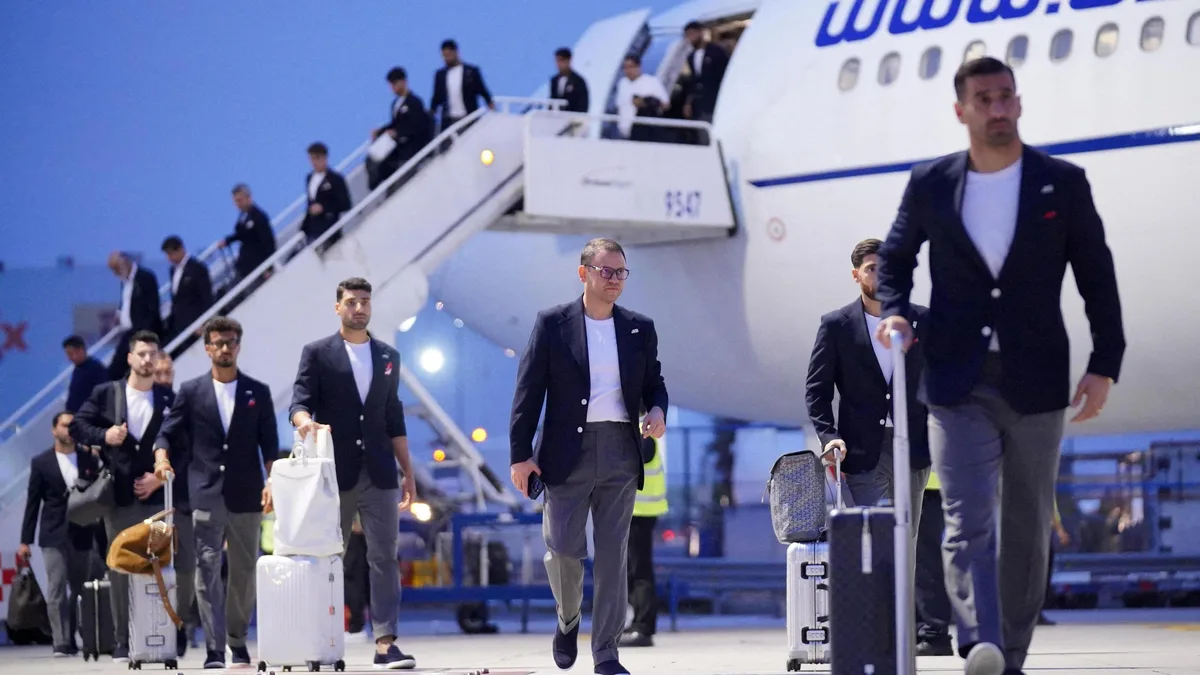
Iran’s national football team arrived in Tijuana, Mexico, on June 7 to prepare for the 2026 FIFA World Cup amid ongoing visa restrictions from the United States and an intense geopolitical backdrop [1, 2]. The World Cup officially began today, June 11, hosted jointly by the US, Canada, and Mexico; Iran’s group stage matches will all take place on US soil in Los Angeles and Seattle [3, 4, 5].
The Iranian squad qualified for the tournament on March 25, 2025, by finishing top of their qualifying group [3, 4]. Initially, Iran planned to base its training camp in Tucson, Arizona, but visa denials for at least 14 to 15 key officials, including the head of Iran’s football federation Mehdi Taj, forced a last-minute move to Tijuana in late May [6, 7]. While all players and essential support staff obtained US visas by June 5, multiple managerial and technical staff were refused entry, prompting official accusations from Iran’s football federation and embassy, which called the denials “discriminatory and vindictive,” and “contrary to the spirit” of international sport [3, 6, 8, 9, 7].
Iran’s ambassador to Mexico, Abolfazl Pasandideh, said visa conditions require players to enter and leave US territory on the same day as their matches. He noted, “We will keep trying until the final moment to enter (the U.S.) and play” and added, “Sport and the World Cup were created to bring nations closer together. But we are not witnessing that right now” [4, 10, 7]. This contrasts with some claims from Iran’s football federation that the visas allow multiple entries and arrivals one or two days before matches [7].
US Secretary of State Marco Rubio confirmed that all athletes and approved support staff were welcomed but that delegations could not include individuals with ties to Iran’s Islamic Revolutionary Guard Corps (IRGC), citing security concerns. Some Iranian players have completed mandatory IRGC military service [3, 6, 11, 5, 9].
The strained relations between the US and Iran have worsened since early 2025, when a US-Israeli joint military strike killed Iran’s supreme leader, sparking ongoing conflict that overshadows the World Cup [4, 10]. Iran was also absent from FIFA’s annual congress in April after visa refusals at the Canadian border, and its ticket allocation for the group stage in the US was revoked shortly before the tournament started, drawing further criticism from Iranian officials [6].
Public enthusiasm in Iran for the World Cup remains muted amid war and economic hardship, with some Iranians indifferent to the sport amid daily challenges, a local photographer said [12].
Iran’s first group match will take place on June 15 against New Zealand in Los Angeles. The team will then face Belgium in Los Angeles and Egypt in Seattle for its remaining group games [3, 4, 6, 2].