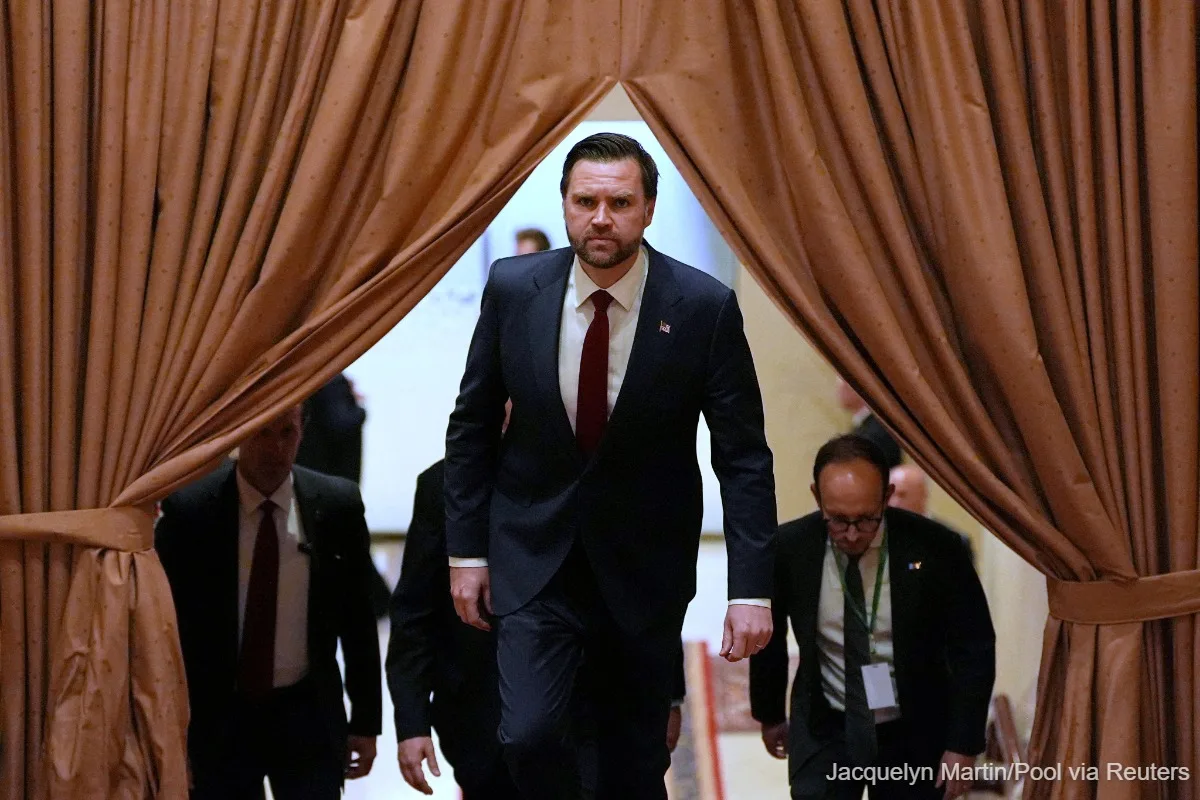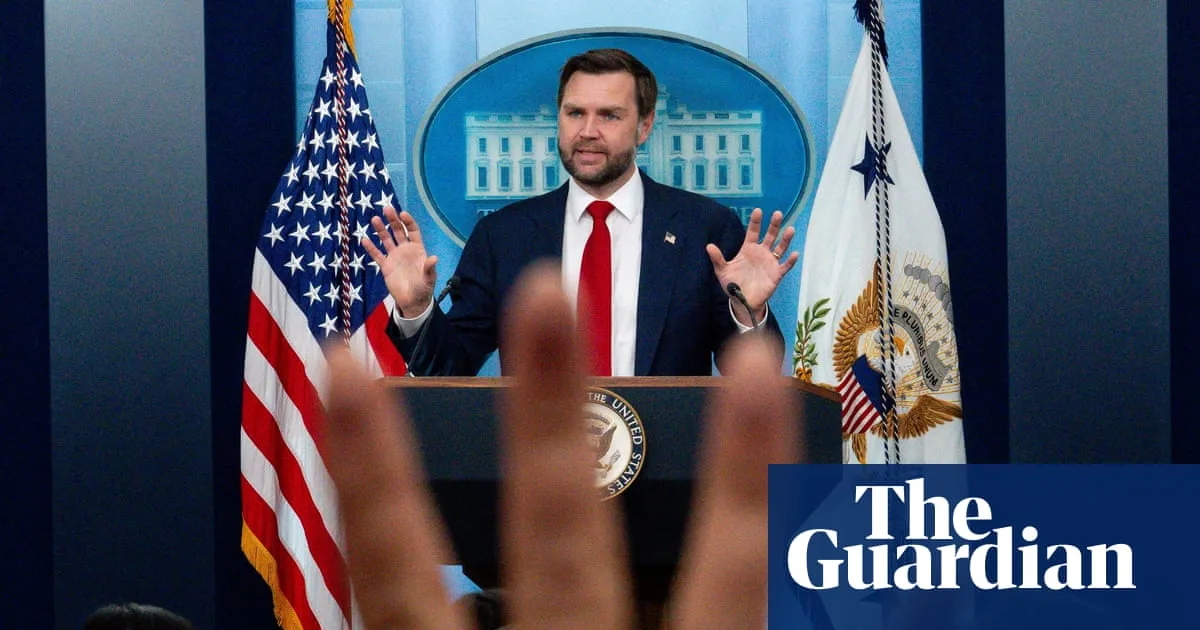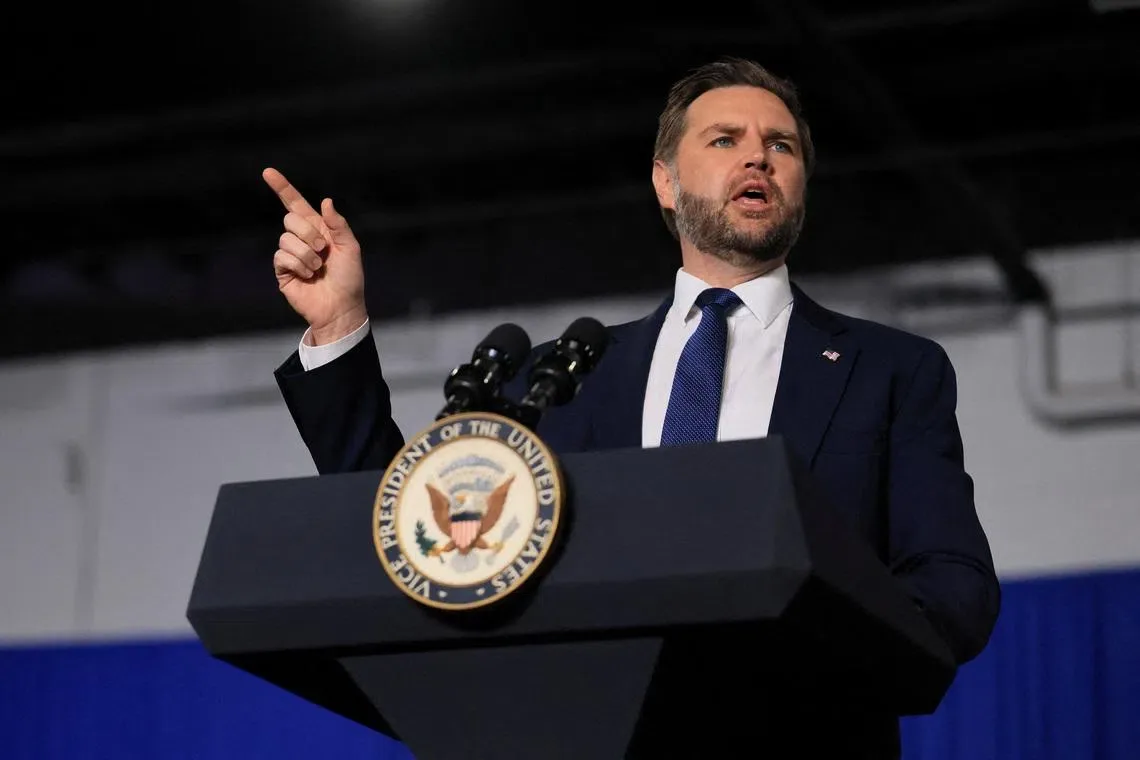
US Vice President JD Vance criticized members of the Israeli government, particularly far-right ministers Itamar Ben-Gvir and Bezalel Smotrich, for their attacks on the US-Iran peace deal brokered under President Donald Trump and signed on June 17, 2026 [1, 2, 3, 4, 5]. Vance described Israeli panic over the agreement as a “weird freakout” fueled by mistrust and misinformation, saying, “I find this whole freakout in Israel a little bit odd because I think that it comes from a place of mistrust, and I think that America has earned the trust of that region of the world” [1, 3, 5].
The memorandum of understanding signed on June 17 aimed to defer the toughest issues for future talks and to end hostilities, including a ceasefire in Lebanon involving Hezbollah [2, 6]. Despite the agreement, Israel has continued military attacks on Hezbollah militants in Lebanon, resulting in at least 47 deaths including Israeli soldiers and Lebanese civilians [2, 6]. The violence has increased tensions at a fragile moment.
Vance warned Israeli officials not to attack President Trump, whom he called Israel’s only powerful international ally. He referenced US military aid to Israel valued at approximately $4 billion annually and noted that about two-thirds of Israel’s defensive weapons are US-built and funded [7, 8, 9, 4]. “If I was in the cabinet of the Israeli government, I might not be attacking the only powerful ally that I have anywhere left in the entire world,” Vance said [7]. He added, “You can’t just kill your way out of solving every single national security problem that you have” [1]. Vance also stated the US would not lift sanctions on Iran if Tehran continues to fund groups like Hezbollah [1].
Israeli Prime Minister Benjamin Netanyahu has privately expressed frustration with the deal but publicly maintained the importance of strong US-Israel ties and Israel’s continued security presence in southern Lebanon [7, 8, 9]. Though some Israeli officials called the agreement bad for Israel, Netanyahu avoided direct public criticism. His office did not respond to requests for comment, reflecting a reluctance to escalate tensions with Washington amid ongoing disputes over the Iran deal and Lebanon [1, 10, 5].
President Trump has asserted firm control over Israel, claiming it respects his leadership and stating, “We have to keep [Netanyahu] a little bit sane” [6]. Vance echoed this, saying, “The problem for Israel is not Donald J. Trump, and anybody in Israel who thinks their biggest problem is the President of the United States needs to wake up and smell the reality of the situation that country is in” [4].
Israel chose not to publicly respond to Vance’s criticism on June 19 to avoid worsening relations with the Trump administration during the Iran deal’s fragile implementation phase [10].