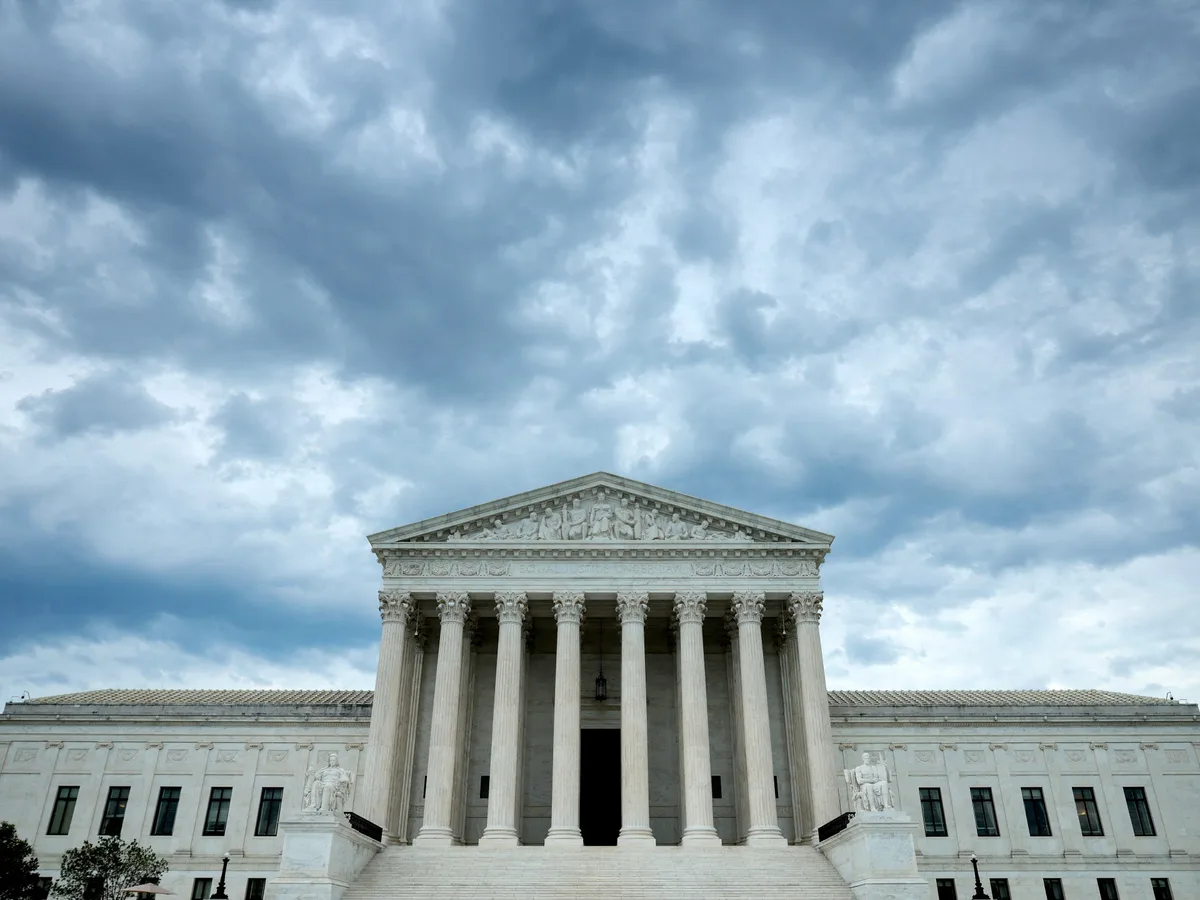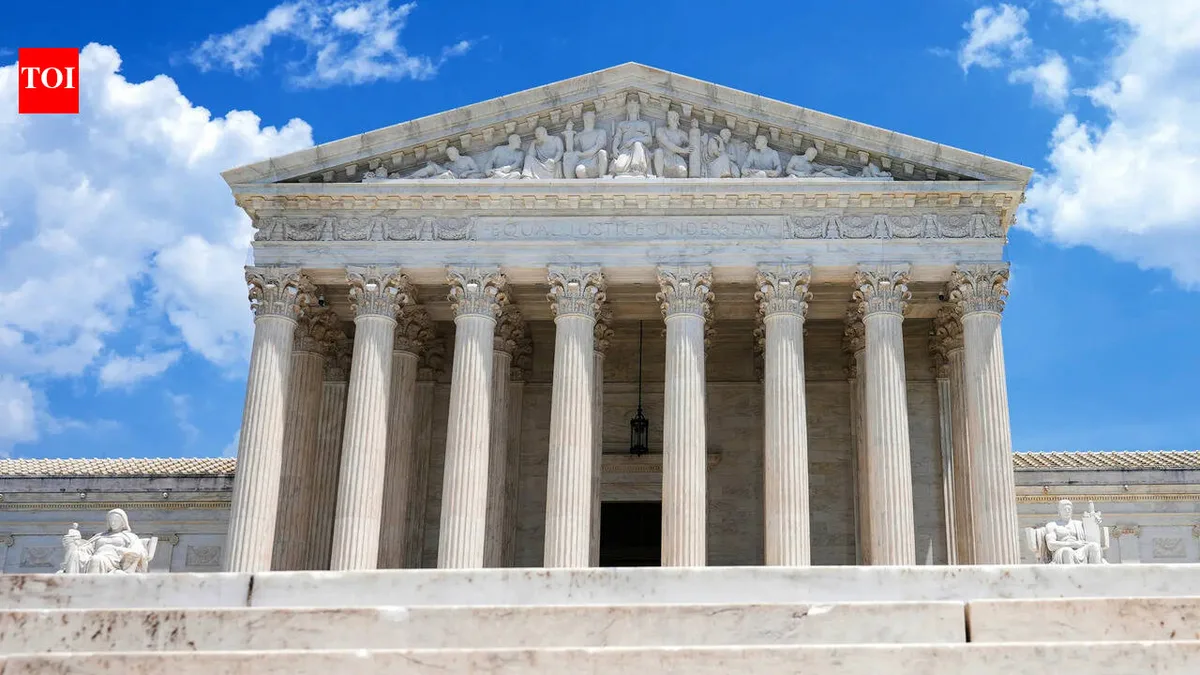
The US Supreme Court issued a unanimous 9-0 decision on June 18, 2026, limiting the application of a federal law banning firearm possession by "unlawful users" of controlled substances, ruling it cannot categorically bar marijuana users from gun ownership under the Second Amendment [1, 2, 3, 4, 5, 6].
The case centered on Ali Danial Hemani, a Texas resident charged in 2023 for illegal gun possession after an FBI raid found a gun, marijuana, and cocaine in his home [1, 6]. The Court dismissed Hemani’s charge under the 1968 Gun Control Act, which broadly prohibits firearm possession by unlawful drug users [1, 3, 4, 6].
Justice Neil Gorsuch wrote the majority opinion, stating the government failed to prove Hemani was addicted or dangerous, making the prosecution unconstitutional under the Second Amendment. He noted, "The government’s shift leaves it awkwardly positioned to suggest that the millions of Americans who now regularly use marijuana are categorically and unusually dangerous" [1, 3, 6].
The ruling narrows the government’s ability to restrict gun rights of marijuana users but does not remove the power to disarm addicts or intoxicated individuals [3, 6]. The justices also criticized the law’s broad application, which could affect legal users of prescribed drugs like Adderall or Ambien [6].
The 1968 Gun Control Act was initially passed to ban firearm possession by unlawful drug users [1, 3, 4]. It has been used in high-profile prosecutions like Hunter Biden, who was charged after purchasing a handgun while accused of cocaine use but later pardoned by President Joe Biden [1, 4, 5, 6].
The case had unusual political coalitions, with pro-gun groups such as the NRA and civil liberties organizations like the ACLU supporting Hemani’s challenge [3, 4]. Naz Ahmad, Hemani’s lawyer, said the ruling "will protect millions of Americans from draconian punishment, simply because they happen to use marijuana and own a firearm" [3].
The decision follows several Supreme Court rulings expanding gun rights since 2022 [4].
With the ruling, the government’s ability to bar gun ownership solely based on marijuana use will be significantly curtailed. The effects of the decision will be closely watched in lower courts as the government revises its enforcement policies.